This article may contain affiliate links. Learn more on our Partner Program page.
Apple unveiled five new devices on Wednesday evening, two of which cost significantly more than their predecessors. The first foldable iPhone, called the iPhone Duo, starts at €2,299 and won't be available until five weeks after the rest of the new products. Apple, however, kept the prices of its two watches exactly the same as last year.
The keynote on September 9th, themed "Surprise and Shine," was the first product launch since the change at the top of the company – John Ternus was featured as CEO in the evening's announcements. The iPhone 18 Pro and iPhone 18 Pro Max, the foldable iPhone Duo, Apple Watch Series 12 and Apple Watch Ultra 4, the AirPods 5, and a completely redesigned Health app were showcased. Macs and iPads were not featured, nor were several devices that had been rumored to be coming soon and were already rumored before the keynote. They were not on the list for that evening. iOS 27 will follow next Monday.
Key Facts at a Glance
- iPhone 18 Pro from €1,449, iPhone 18 Pro Max from €1,599 – each €150 more than their direct predecessors.
- The iPhone Duo is Apple's first foldable iPhone, starts at €2,299 and will only be available from October 23rd.
- The Apple Watch Series 12 (starting at €449) and Apple Watch Ultra 4 (starting at €899) cost exactly the same as the Series 11 and Ultra 3.
- The AirPods 5 offer active noise cancellation starting at €149.
- iOS 27 will be released on September 14th. Siri AI will launch as a beta in English and, according to Apple, will initially not be available in the EU on iOS.
The Pro models cost 150 euros more
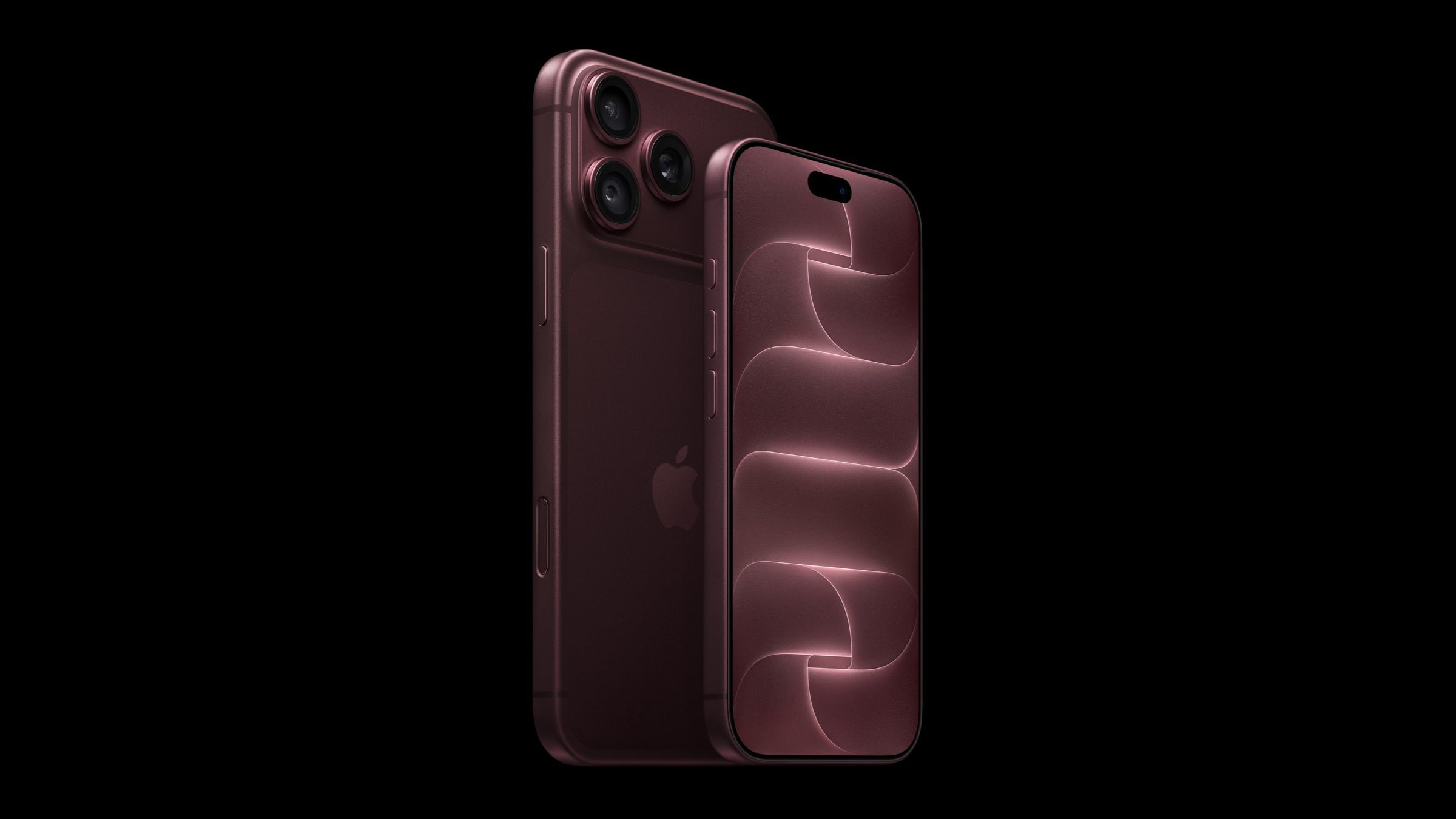
According to the German announcement in the Apple Newsroom, the iPhone 18 Pro starts at €1,449, and the iPhone 18 Pro Max at €1,599. Both are available with 256 GB, 512 GB, 1 TB, and 2 TB of storage in Burgundy, Glacier, Silver, and Black. Pre-orders begin on September 12, and the devices will be available in stores from September 18.
The iPhone 17 Pro started at €1,299, the iPhone 17 Pro Max at €1,449. The price increase is therefore €150 in both cases, with the base storage capacity remaining unchanged at 256 GB. In the US, the increase was smaller at $100.
Technically, the most noticeable innovation is the variable aperture of the main camera: six blades, four levels, plus new Pro controls in the camera app. The A20 Pro is manufactured using a 2-nanometer process, the vapor chamber has tripled in size, and the dynamic island is smaller. Much of this aligns with what had been circulating in rumors about the iPhone 18 Pro for months.
Apple states that the battery provides up to 36 hours of video playback for the Pro and up to 45 hours for the Pro Max. These figures apply to the eSIM-only models, which are only available in twelve markets.
The first foldable iPhone won't arrive until October
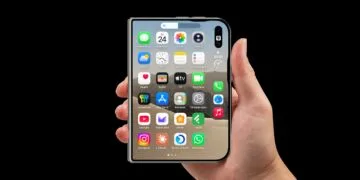
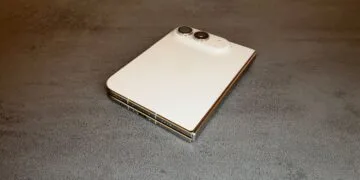
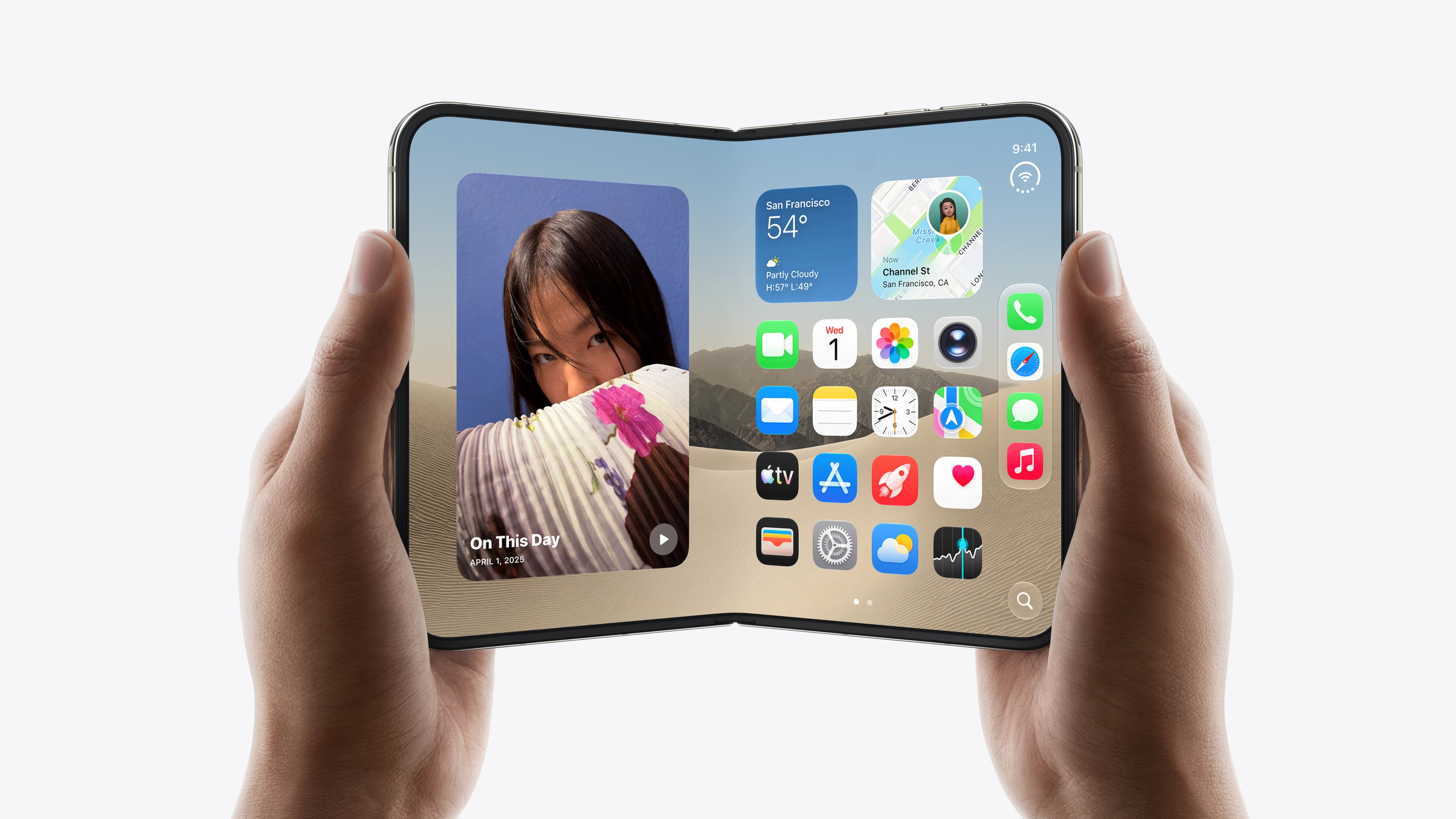
The iPhone Duo features a 7.6-inch internal display and a 5.4-inch external Super Retina XDR display, both with the same aspect ratio. The casing is made of Grade 5 titanium, the hinge consists of more than 100 individual parts, and it has an IP68 water and dust rating. Touch ID is integrated into the side button, and Split View allows users to open two apps side-by-side on a single iPhone for the first time.
In its press release for the iPhone Duo, Apple states up to 31 hours of video playback on the inner display, up to 44 hours on the outer display, and up to 24 hours of use when both displays are used equally. The entry-level model with 256 GB costs €2,299, followed by €2,549 for 512 GB, €3,049 for 1 TB, and €3,799 for 2 TB.
The release date is the real game-changer: Pre-orders start on October 16th, shipping begins on October 23rd, and another 28 countries follow on October 30th. This leaves 44 days between the unveiling and the sales launch – and exactly five weeks between the launch of the Pro models and that of the Duo. Furthermore, the device will not ship with iOS 27, but rather with iOS 27.1. How the concept has evolved over the years can be found in the collection about the foldable iPhone.
The price of watches remains unchanged
The Apple Watch Series 12 starts at €449, exactly where the Series 11 started last year. New features include a health tracking system: heart rate is recorded every five seconds throughout the day, heart rate variability up to 24 times more frequently, and a daily fitness score from 0 to 10 is also provided. During outdoor workouts, the watch lasts up to ten hours, a quarter longer than its predecessor.
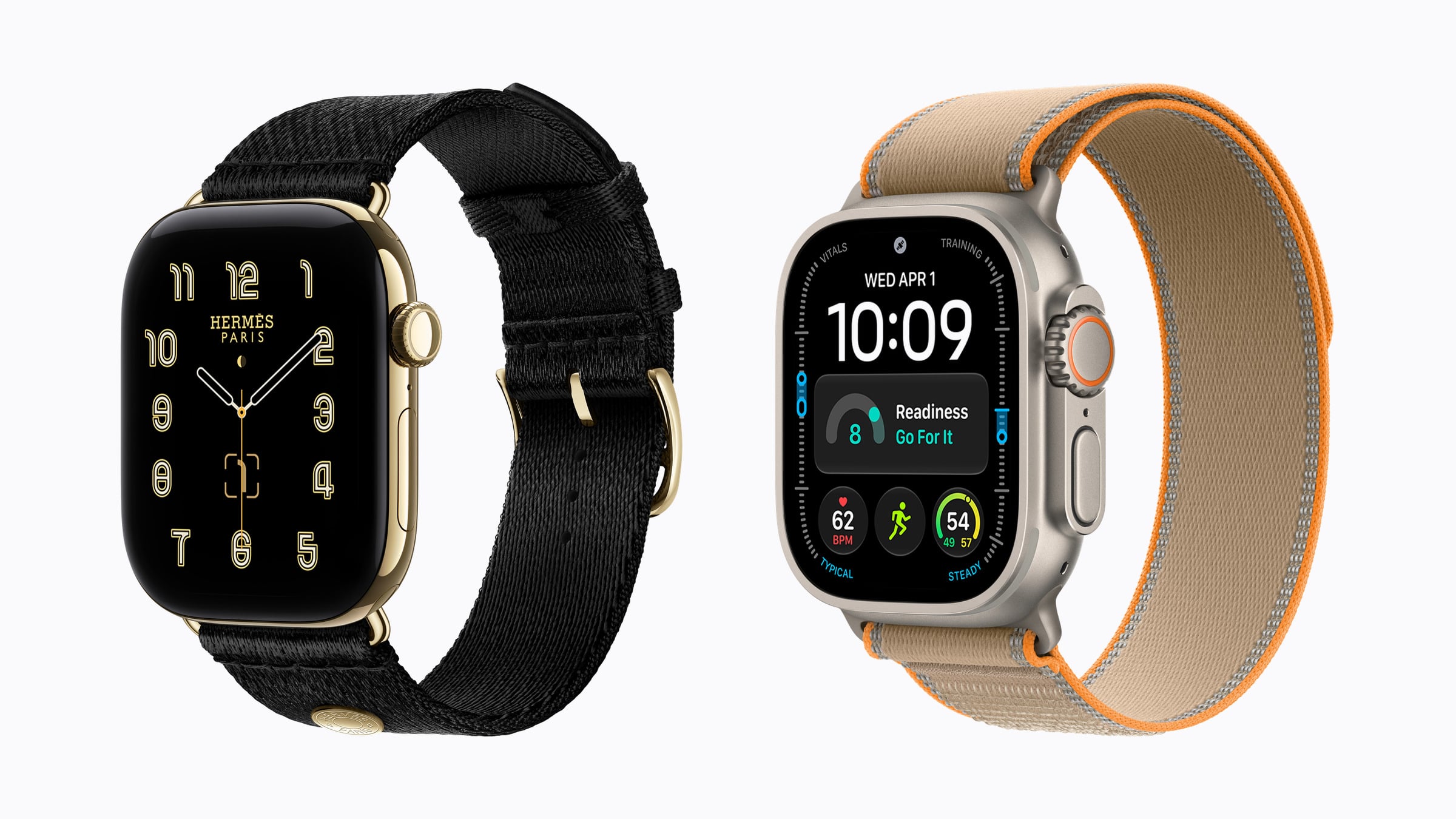
The Apple Watch Ultra 4 remains at €899, unchanged from the Ultra 3. Apple states up to 50 hours of everyday use, compared to 42 hours for the previous model, and up to 84 hours in power saving mode instead of the previous 72.
A noteworthy figure in the fine print of the Ultra 4 press release is that the advertised 45-hour battery life only applies in the maximum extended mode, where the watch switches to power-saving mode, disables notifications and split times, and doesn't record certain training data. Those who need full data recording will get around 25 hours. Both watches have been available for pre-order since the keynote evening and will be released on September 18th; the technical specifications are detailed in the Series 12 press release.
Much of this had been foreshadowed – as can be read in the overviews of the Series 12 and the Ultra 4.
AirPods 5 and a newly built Health app
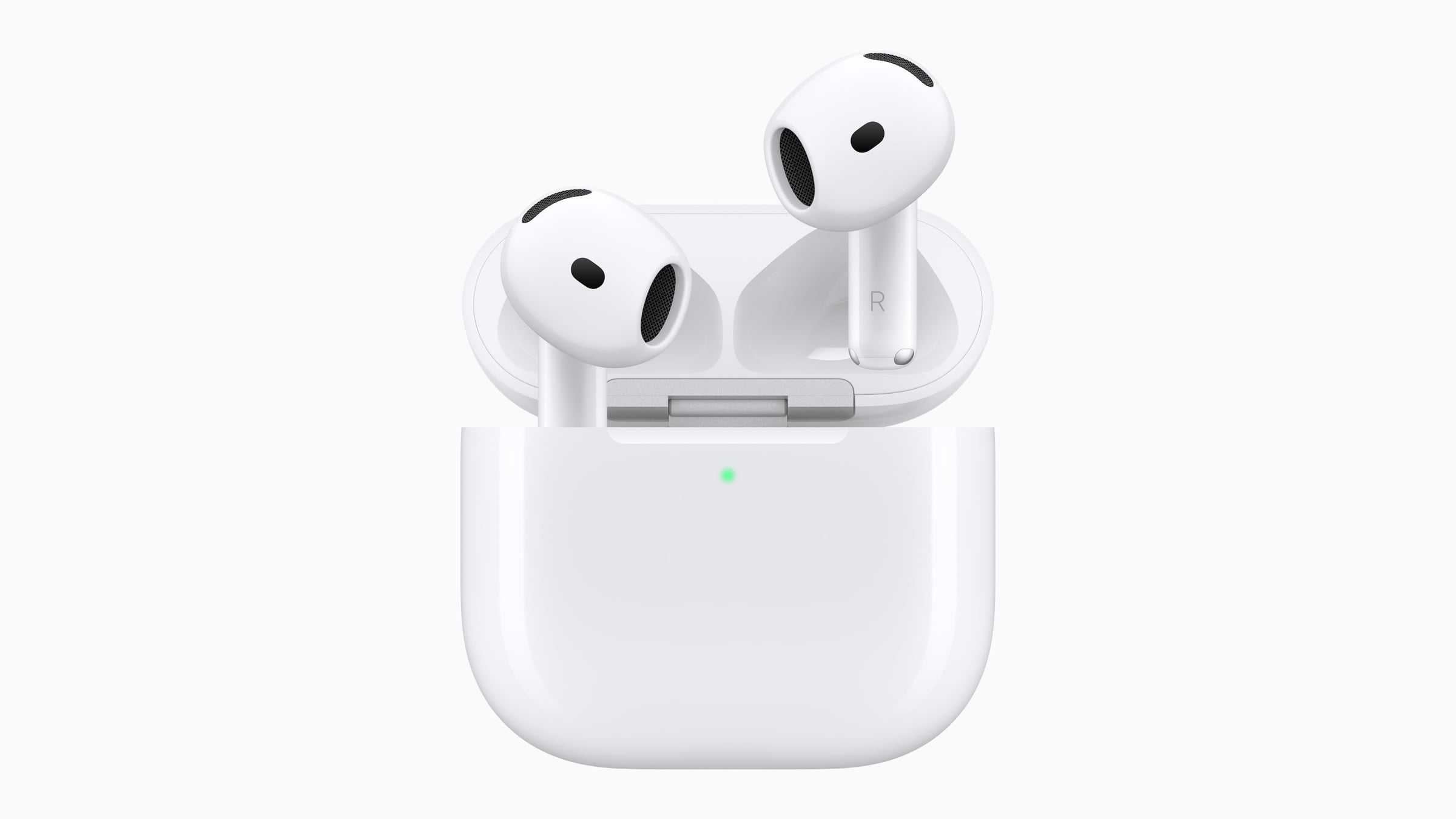
The AirPods 5 start at €149, while the version with a wireless charging case and longer battery life costs €169. Both feature active noise cancellation in an open design, which Apple claims filters out up to 50 percent more ambient noise than the AirPods 4 with noise cancellation. The AirPods 4 had a starting price of €199 – the price premium for this feature is now completely eliminated.
In parallel, Apple is redesigning the Health app. An Insights section consolidates heart health, sleep, daily condition, fitness, and vital signs, while a Longevity section calculates a Health Age based on metrics such as VO2 max, resting heart rate, sleep patterns, and heart rate variability, comparing it to actual age. Lab results like A1c and LDL cholesterol can be added. Guided activity tests are conducted using the iPhone camera and are analyzed entirely on the device without saving a video. The Longevity section evaluates heart health, sleep, mental health, activity, metabolism, hearing, and nutrition together; Apple describes the underlying principles in its announcement regarding the new health features.
iOS 27 will be released on September 14th
The release candidate from the keynote evening will be followed by the final version on Monday, September 14th. Apple Intelligence will be available from that day, while Siri AI will launch as a beta version, initially only in English. Support for French, Japanese, Korean, Portuguese, and Spanish will follow in October – German is not on that list.
What's different here
One detail from the footnotes is favorable to German users: iPhone Handoff, which allows users to switch the same phone number between two iPhone models, launches worldwide with exactly two providers – T-Mobile in the US and Telekom in Germany. Apple does not name a partner for Austria or Switzerland.
The two new iPhones diverge when it comes to the SIM card slot. The Pro models are only eSIM-only in twelve markets; in Germany, Austria, and Switzerland, they retain the card slot. The iPhone Duo, on the other hand, works exclusively with eSIM worldwide, including in Germany. The removal of the card slot changes more than just the design – it affects setup, switching providers, and managing two phone numbers.
The situation with Siri AI remains divided: Apple explicitly states in the footnote to the Duo announcement that Siri AI will initially not be available on iOS in the EU. Switzerland is not part of the EU and is therefore not affected by this restriction – however, German language support is also missing there. The list of missing features thus grows by one more entry.
The new health app will be released later this year and will launch in US English; a German version has not yet been announced. Lab tests can only be booked through the app in the US: more than 50 biomarkers for $119 at approximately 2,000 Quest Diagnostics locations.
And one point also applies to older devices: Apple is extending free access to satellite features for another year for everyone who activated an iPhone 14, iPhone 15 or iPhone 16 before midnight Pacific Time on September 9.
Prices and dates at a glance
| Device | Price from | Predecessor | Pre-order | Sales launch |
|---|---|---|---|---|
| iPhone 18 Pro | 1,449 euros | 1,299 euros | September 12 | September 18 |
| iPhone 18 Pro Max | 1,599 euros | 1,449 euros | September 12 | September 18 |
| iPhone Duo | 2,299 euros | – | October 16 | October 23 |
| Apple Watch Series 12 | 449 euros | 449 euros | September 9 | September 18 |
| Apple Watch Ultra 4 | 899 euros | 899 euros | September 9 | September 18 |
| AirPods 5 | 149 euros | 199 Euro (AirPods 4 with ANC) | September 9 | September 18 |
Where the surcharge will land this year
The pricing strategy for the evening is unusually clear. The entire price increase applies to iPhones, while watches and headphones are unaffected – AirPods, with the same features, are even becoming cheaper. The increase thus hits precisely the product group with the highest average price, leaving the more affordable categories untouched.
In practical terms, this means that you'll pay €150 more for the Pro model for the same entry-level storage size of 256 GB, while the watch prices will remain the same as last year. So, if you're already looking at a new Apple Watch, you'll have a simpler situation this fall.
The second point concerns the duo. Starting at €2,299, it's €850 more expensive than the iPhone 18 Pro and €700 more expensive than the Pro Max. For this price, you get the largest iPhone display Apple has ever built, and Split View, a feature not found on any other iPhone – but also a device that won't be available until late autumn.
There are roughly six weeks between the keynote address and the store counter
The only devices on stage that evening were iPhones, watches, and headphones. The 37 device identifiers that Apple had newly registered before the keynote were also distributed among Macs, iPads, and Apple TVs – these entries remained unresolved, suggesting further releases this year.
The next fixed date is September 14th with iOS 27, followed by September 18th with the Pro models, the two watches, and the AirPods. The iPhone Duo concludes the series on October 23rd.
Is September 18th marked on your calendar – or are you waiting the extra five weeks for the iPhone Duo? Let us know in the comments which of the two dates is important to you.