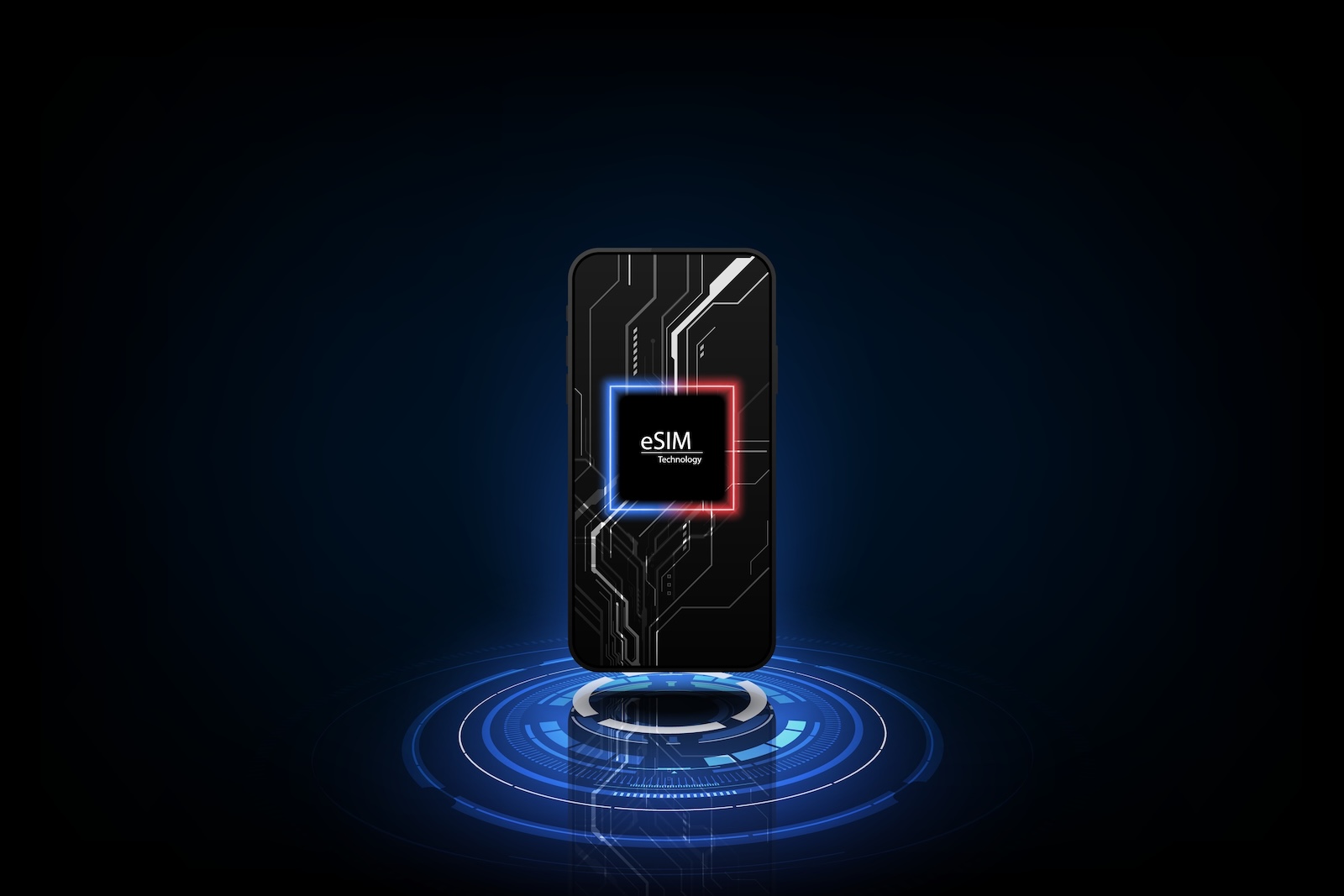
The iPhone is constantly evolving—both technically and conceptually. One of the most significant changes concerns the way SIM cards are handled. Apple has supported the eSIM, an integrated, digital alternative to the traditional physical SIM card, for years. With the iPhone 14, the company eliminated the SIM card slot in the US. Now it's going a step further: The space freed up is being put to good use—for more battery capacity. A small change with a noticeable effect. And a possible glimpse into what future iPhones around the world might look like.
The SIM card, short for Subscriber Identity Module, is a small chip that stores important user data such as the phone number and network information. In the early years, contacts were even stored directly on the SIM, not in the device itself. Over the years, the design has shrunk several times – from the standard credit card-sized SIM to mini-SIMs, micro-SIMs, and finally nano-SIMs.
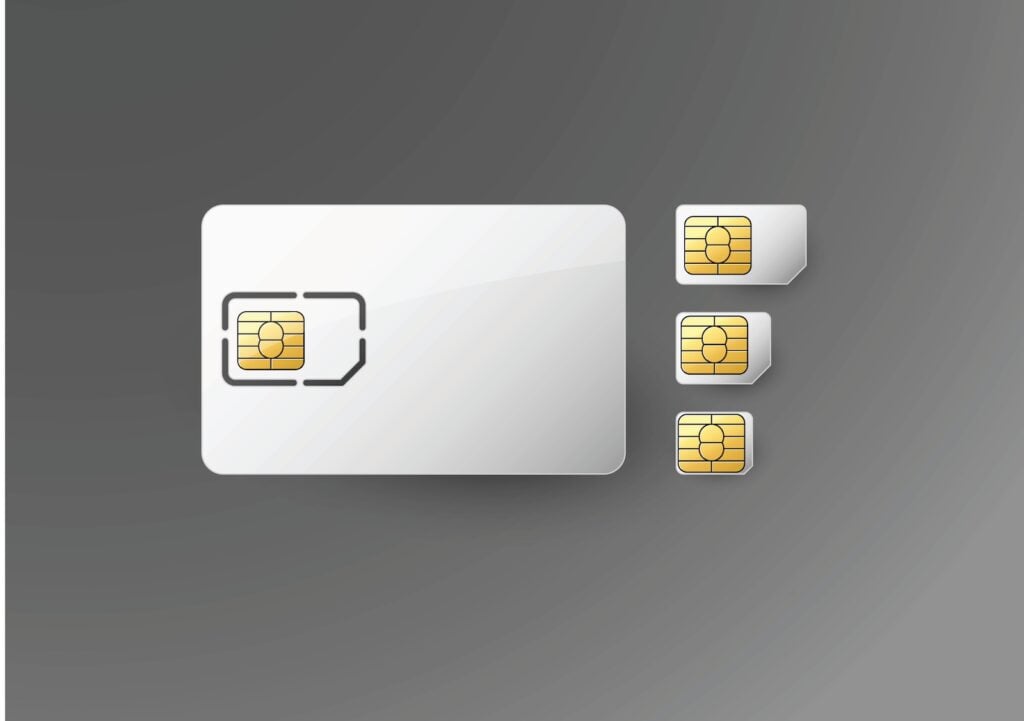
For several years now, the eSIM has increasingly replaced these physical cards. Unlike a pluggable SIM, it is permanently installed in the device and activated by software. The advantages of this technology are obvious, especially for frequent travelers. Instead of having to buy a SIM card in the destination country, an eSIM can be booked in advance and activated directly – without physical exchange or risk of losing or damaging anything. Apple first introduced the eSIM in 2018 with the iPhone XS and iPhone XR. However, the real break with the physical SIM only came with the iPhone 14, at least in the US. There, the SIM slot was completely removed. Initially, this was purely aesthetic – the casing looked cleaner, but the space remained unused. Only now is it becoming clear what Apple really intends to do with it.
eSIMs in the iPhone: A clear advantage
With the iPhone 17 and the new iPhone Air, the space formerly occupied by the SIM tray is being put to good use for the first time. Instead of a piece of plastic or empty space, there is now a slightly larger battery. The increased capacity is manageable, but measurable – and thus represents real added value. Earlier models with an eSIM-only design, such as those in the US, lacked this advantage. While the casing was visually cleaner, the space remained unused internally. It is only with the current iPhone lineup that it is being put to productive use. This creates a real argument for a global eSIM-only model: more battery life with the same form factor. The eSIM also simplifies travel. Network operator profiles can be easily changed or added. Especially in countries with high eSIM coverage, switching to the local network is now a matter of minutes. Dual-SIM use – for example, for private and business purposes – also works with multiple eSIMs without the need to physically swap cards.
The network operators are lagging behind
Not all network operators worldwide yet support eSIM technology. In many cases, this is due less to technical hurdles than to hesitant implementation. Especially in smaller markets, the infrastructure or drive to widely introduce eSIMs is sometimes lacking. A clear step by Apple—for example, with an iPhone 18 without a SIM slot—could build pressure here. The market leader would thereby send a signal that can hardly be ignored. China remains a special case. There, the use of eSIMs for private individuals is effectively prohibited.
- The background: The Chinese government requires personal identity verification when activating mobile phone accounts. The flexible activation of eSIMs would undermine this. Therefore, it would likely require Apple to continue offering special iPhone models for the Chinese market with a physical SIM slot – as it has done in other cases before.
A small step with a big impact
At first glance, removing the SIM slot seems like a minor detail. But it creates space, improves the design, and offers functional advantages. The extra millimeters for the battery make a difference—especially in a device class where every hour of battery life counts. At the same time, maintenance requirements are reduced, the casing's tightness is improved, and configuration is more flexible. An iPhone without a physical SIM slot isn't just a technical statement. It's a clear signal of the direction mobile communications are heading. Devices are becoming slimmer, more integrated, and more digital—without unnecessary slots or moving parts.
- iPhone Air: Market launch in China delayed due to eSIM
- iPhone 17: There is no longer a SIM slot in these countries
From concept to standard: eSIM in the iPhone
Apple has taken an important step with its consistent eSIM strategy for the iPhone. The technology has long been market-ready, and the benefits are obvious. The iPhone 17 demonstrates for the first time how the gained space can be put to good use. Longer battery life, easier use abroad, and a cleaner design speak for themselves. Even if some countries are still lagging behind or – like China – are taking a different regulatory approach, the direction is clear. eSIMs are not a transitional technology, but the new standard. A global iPhone without a physical SIM slot is only a matter of time. The best products for you: Our Amazon Storefront offers a wide selection of accessories, including those for HomeKit. (Image: Shutterstock / Panuwatccn)
- iPhone 17 Pro stays cool: All about the new vapor chamber
- AirPods Pro 3 vs. AirPods Pro 1: What's really changed
- Apple Watch Ultra 3 vs. Apple Watch Ultra 2: The Differences
- iPhone 17: Why this model is so convincing
- iPhone Air or iPhone 17 Pro? All the differences compared
- iPhone 17 vs. iPhone 16: All the differences in detail
- iPhone 17 Pro vs. iPhone 17 Pro Max: Differences at a glance
- iPhone Air: Seven facts about the new ultra-thin smartphone
- AirPods Pro 3: Apple's headphones with 8 exciting upgrades
- AirPods Pro 3 vs. AirPods Pro 2: The big comparison in detail
- Is the iPhone 17 Pro not worth it? The iPhone 18 Pro in focus
- Apple Watch Ultra 3 vs. Ultra 2, Series 11: Battery comparison
- iPhone 17 Pro: Everything about the new camera platform & more