This article may contain affiliate links. Learn more on our Partner Program page.
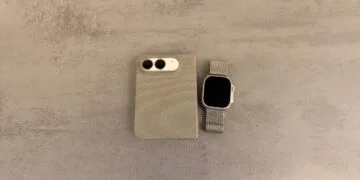
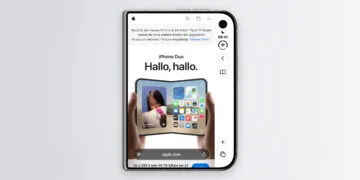
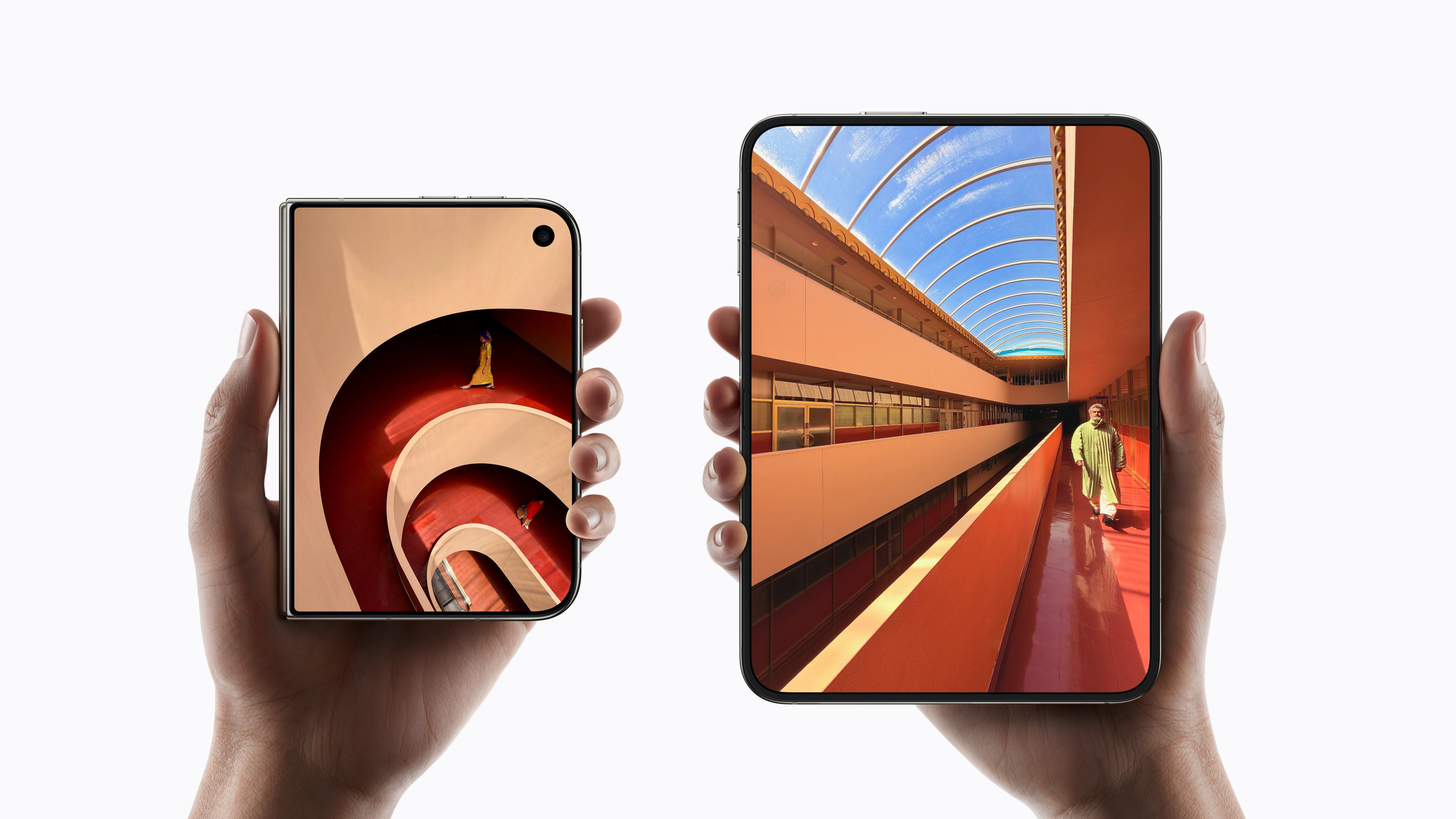
After years of rumors, it's finally here: Apple has unveiled its first foldable iPhone, called the iPhone Duo. When unfolded, the inner screen measures 7.6 inches; when folded, it offers 5.4 inches of pocket-sized screen. However, it won't be available until October – and it will lack a SIM card slot.
The device, which has been the subject of months of media coverage under various names, is officially called the iPhone Duo. Apple describes it in its newsroom announcement as the biggest change to the iPhone since the first model. The collection of previously known information about the foldable iPhone can now be compared to reality – with some surprising results.
Key Facts at a Glance
- The inner screen measures 7.6 inches, making it 50 percent larger than that of the iPhone 18 Pro Max, while the outer screen measures 5.4 inches.
- Instead of Face ID, Touch ID is located in the side button; the device can also be unlocked via the Apple Watch.
- The duo is powered by the A20 Pro, the same chip as in the new Pro models.
- The device no longer has a SIM card slot worldwide and works exclusively with eSIM.
- Price in Germany: from €2,299 with 256 GB, up to €3,799 with 2 TB. Pre-orders from October 16th, sales from October 23rd.
Two screens, one aspect ratio
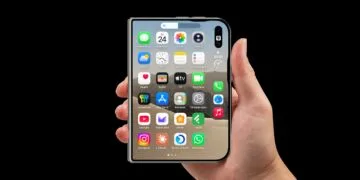
When unfolded, the iPhone Duo is, according to Apple, the thinnest iPhone ever. The inner Super Retina XDR display measures 7.6 inches diagonally, or 7.58 inches as a rectangle, offering 50 percent more screen area than the iPhone 18 Pro Max. When folded, the outer screen measures 5.4 inches – which, according to Apple, is 90 percent of the screen area of an iPhone 18 Pro.
Both screens have the same aspect ratio, so content scales proportionally when the device is opened and closed. They also feature ProMotion, an always-on display, and 3,000 nits of peak outdoor brightness. A matte nanotexture is designed to reduce reflections and make the crease in the screen less noticeable.
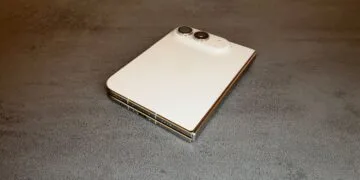
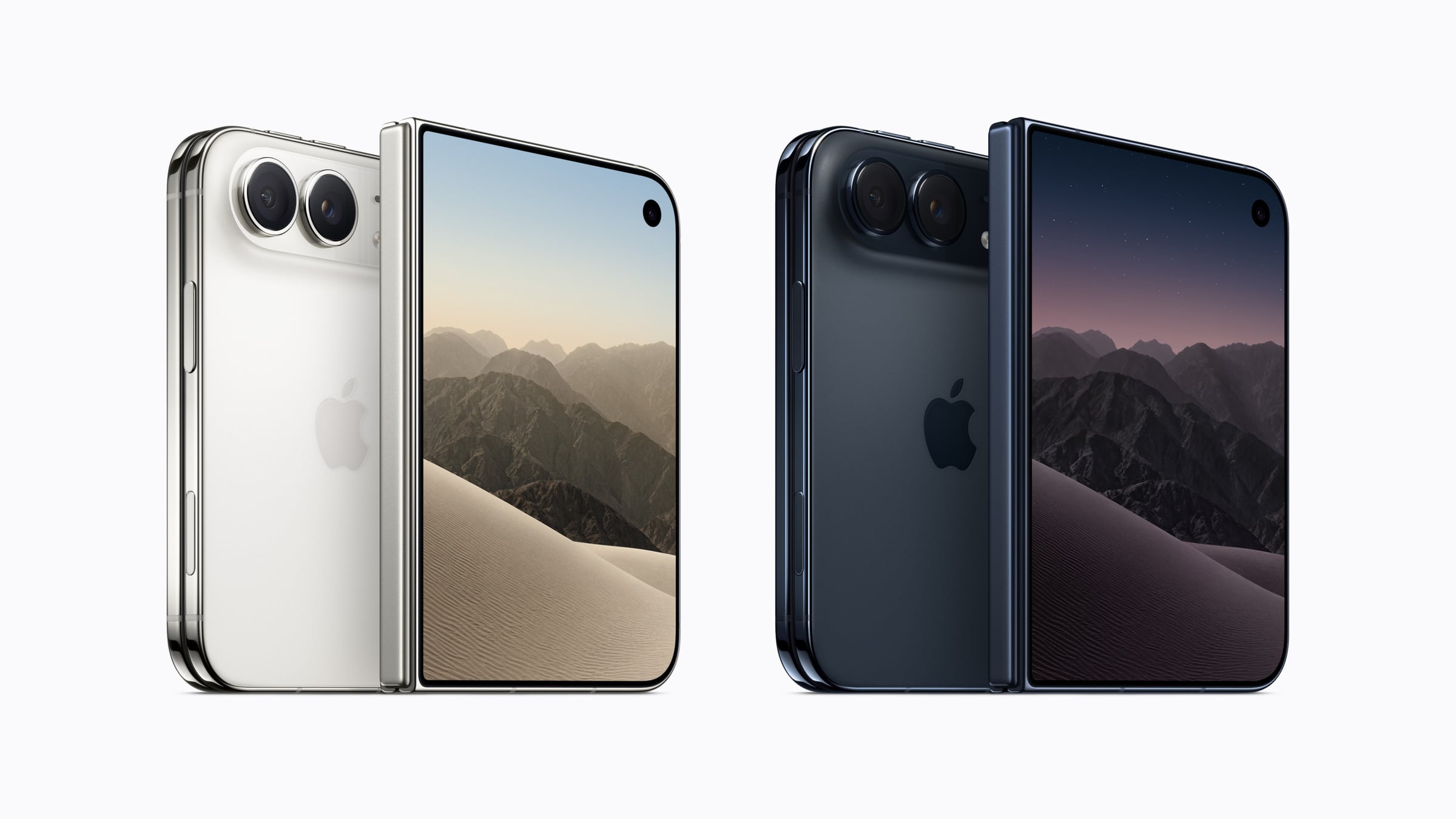
According to Apple, the hinge consists of more than 100 components. The casing is made of Grade 5 titanium, with Ceramic Shield on the back and Ceramic Shield 2 on the front. Apple specifies an IP68 protection rating. Later this year, the device is expected to support the Apple Pencil with USB-C – a corresponding prototype surfaced at the end of August.
Touch ID returns
The device is unlocked using Touch ID integrated into the side button, which means it works regardless of whether the device is open or closed. An Apple Watch on the wrist also unlocks the device. This was precisely what a discovery in the iOS 27 code had suggested, which revealed an iPhone with Touch ID and Ultra Wideband – a combination that Apple hadn't offered before.
Beneath the inner screen is a FaceTime camera that disappears when not in use. The rear of the device retains the camera controls, which can be used to launch the new Siri camera mode.
The camera benefits from the folding mechanism
On the back, Apple has installed two cameras: a 48-megapixel Fusion main camera with an integrated 2x telephoto lens offering optical quality, and a 48-megapixel ultra-wide-angle camera of the same design as the one in the iPhone 18 Pro. The device records video in 4K at 120 frames per second in Dolby Vision.
More interesting are the features made possible by the two screens. Duo Preview shows the person being photographed a live preview on the outer screen. Smart Take automatically triggers the shutter as soon as the subjects pose. Kid Cue plays animations on the outer screen to encourage children to look at the camera. And Duo FaceTime displays people present on the second screen instead of forcing everyone in front of one camera.
Selfies can be taken with the higher-resolution rear cameras while the preview runs externally. For time-lapse photography, simply stand the device up; a tripod is not required.
Power and battery
The A20 Pro, the same 2-nanometer chip found in the new Pro models, powers the dual-screen setup. Apple claims up to 35 percent better sustained performance than the iPhone 17 Pro, along with a six-core processor that is up to 20 percent faster than the A19 Pro. A dedicated display unit powers both screens simultaneously.
The battery is divided into two cells, one for each half, which operate as a single unit via software control. Apple states up to 31 hours of video playback on the inner screen, up to 44 hours on the outer screen, and up to 24 hours of use when both are used equally. The device charges to 50 percent in about 20 minutes via cable.
No SIM card slot – and that applies here too
The iPhone Duo will be available worldwide exclusively with eSIM. This makes it the first iPhone to be sold without a physical SIM card slot in Germany, Austria, and Switzerland: The Pro models, also introduced at the same time, retain the slot in these countries, while the eSIM-only versions are only available in twelve other markets. Apple gains space for the battery by eliminating the physical slot.
Anyone currently using a physical SIM card will have to switch to eSIM. According to Apple, the standard is supported by more than 500 providers worldwide. Also included is iPhone Handoff, which allows two iPhones to be used alternately under one phone number – initially with T-Mobile in the US and Telekom in Germany.
iOS 27 works with
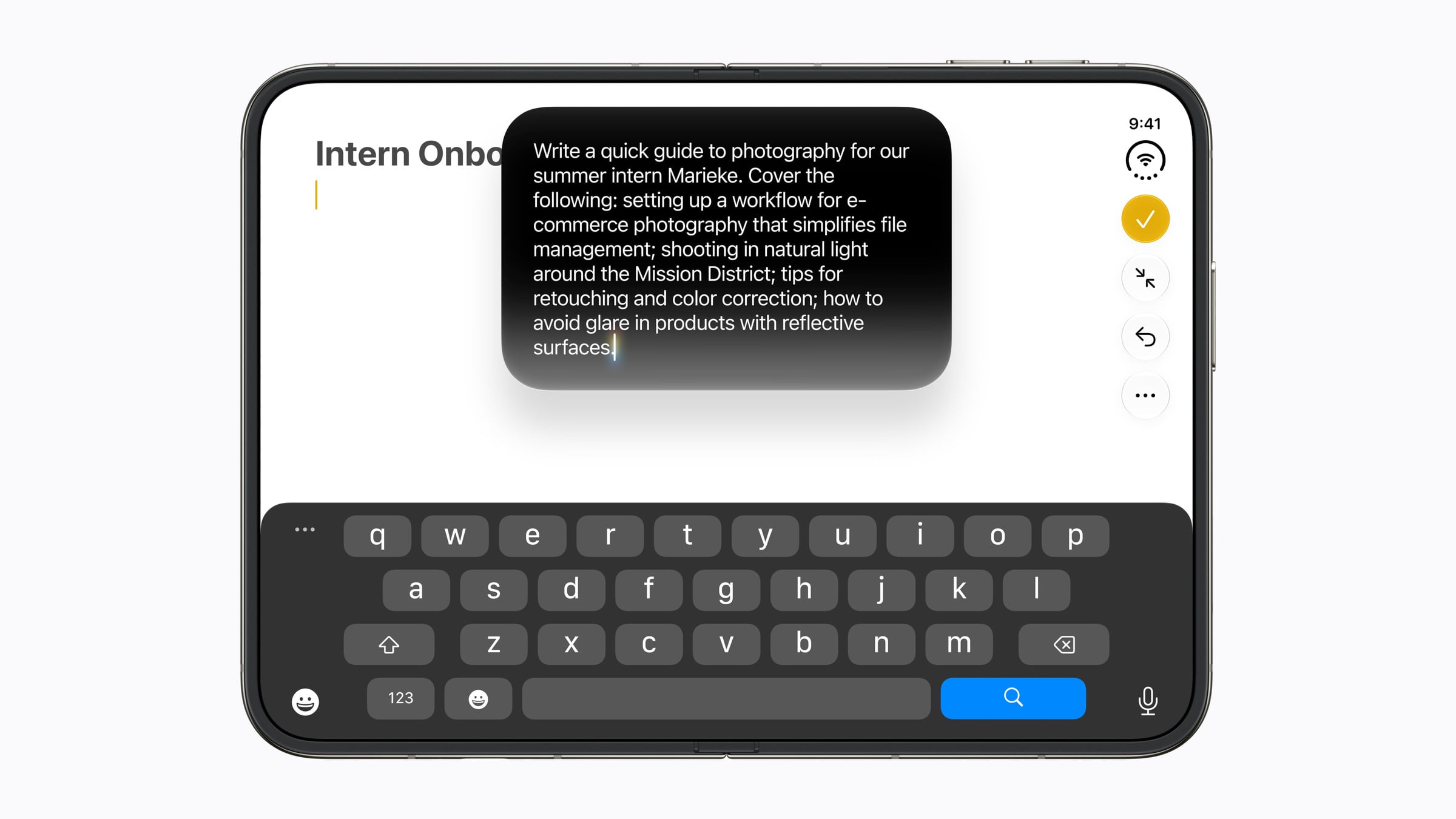
Apple has redesigned the user interface for the Duo. Lock screen controls, the Dock, and app navigation have moved to the side to create vertical space. When unfolded, the screen displays two Home screen pages along with a widget column. The Dynamic Island sits vertically on the side.
New for the iPhone is true multitasking: Split View places two apps side by side, two windows of the same app are possible, and app pairs can be saved. Standby works on both screens and even without a charging cable.
The device ships with iOS 27.1. The new Siri AI assistant will not initially launch on iPhones in the EU, nor will any functions that rely on it. For an overview of other missing features in the EU, see the list of EU limitations.
Price and market launch
In Germany, the iPhone Duo starts at €2,299 for the 256GB version. The 512GB version costs €2,549, the 1TB version €3,049, and the largest variant with 2TB €3,799. In the US, the device starts at $1,999. The colors are Star White and Night Sky.
This puts the duo at €700 more expensive in Germany than the iPhone 18 Pro Max, which starts at €1,599. The difference between the smallest and largest storage options is €1,500 – more than the price of a complete iPhone 18 Pro.
| iPhone Duo | iPhone 18 Pro Max | |
|---|---|---|
| Screen | 7.6 inches inside, 5.4 inches outside | 6.9 inches |
| Rear cameras | two | three |
| Unlock | Touch ID in the side switch | Face ID |
| SIM | eSIM only, worldwide | eSIM or SIM card slot depending on the market |
| Video playback | up to 31 hours (indoors), up to 44 hours (outdoors) | up to 45 hours (eSIM models) |
| Starting price Germany | 2,299 euros | 1,599 euros |
| Starting price USA | $1,999 | $1,299 |
| Sales launch | October 23 | September 18 |
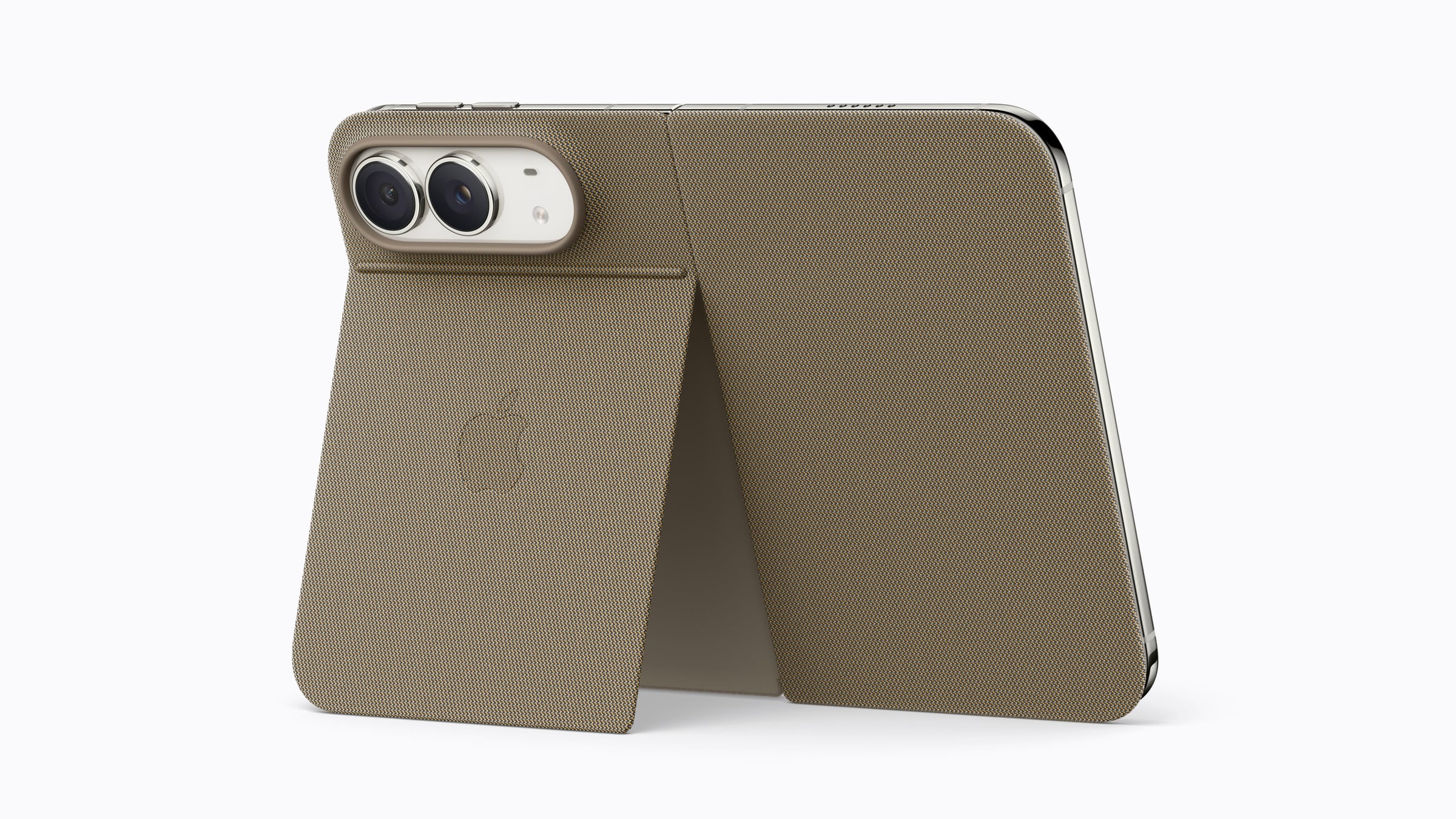
Pre-orders open on Friday, October 16, in more than 70 countries, including Germany. Sales begin on Friday, October 23, with 28 more countries following on October 30. The matching folio with stand costs $129 in the US, and the two-part cover costs $79.
Six weeks apart, as announced
The timing is the real issue with this announcement. There are six weeks between tonight's presentation and the sales launch on October 23rd, while the Pro models will already be on store shelves on September 18th. A report from this morning had mentioned October as the earliest possible date, and that's exactly where it is now – so those expecting the device in stores for the Christmas season won't get it, and those hoping for it in September will be disappointed.
For German-speaking countries, the removal of the physical SIM card slot is the most noticeable change. It has a greater impact here than in the US, where Apple has long since completed the eSIM transition. Anyone using a prepaid SIM card from vacation or a second physical SIM card for work must check with their provider beforehand to see if and how they issue eSIMs.
Is the large screen worth the extra cost and the lack of a SIM card slot, or are you waiting to see how the foldable design performs in everyday use? Let us know your thoughts on the folding mechanism in the comments.