This article may contain affiliate links. Learn more on our Partner Program page.
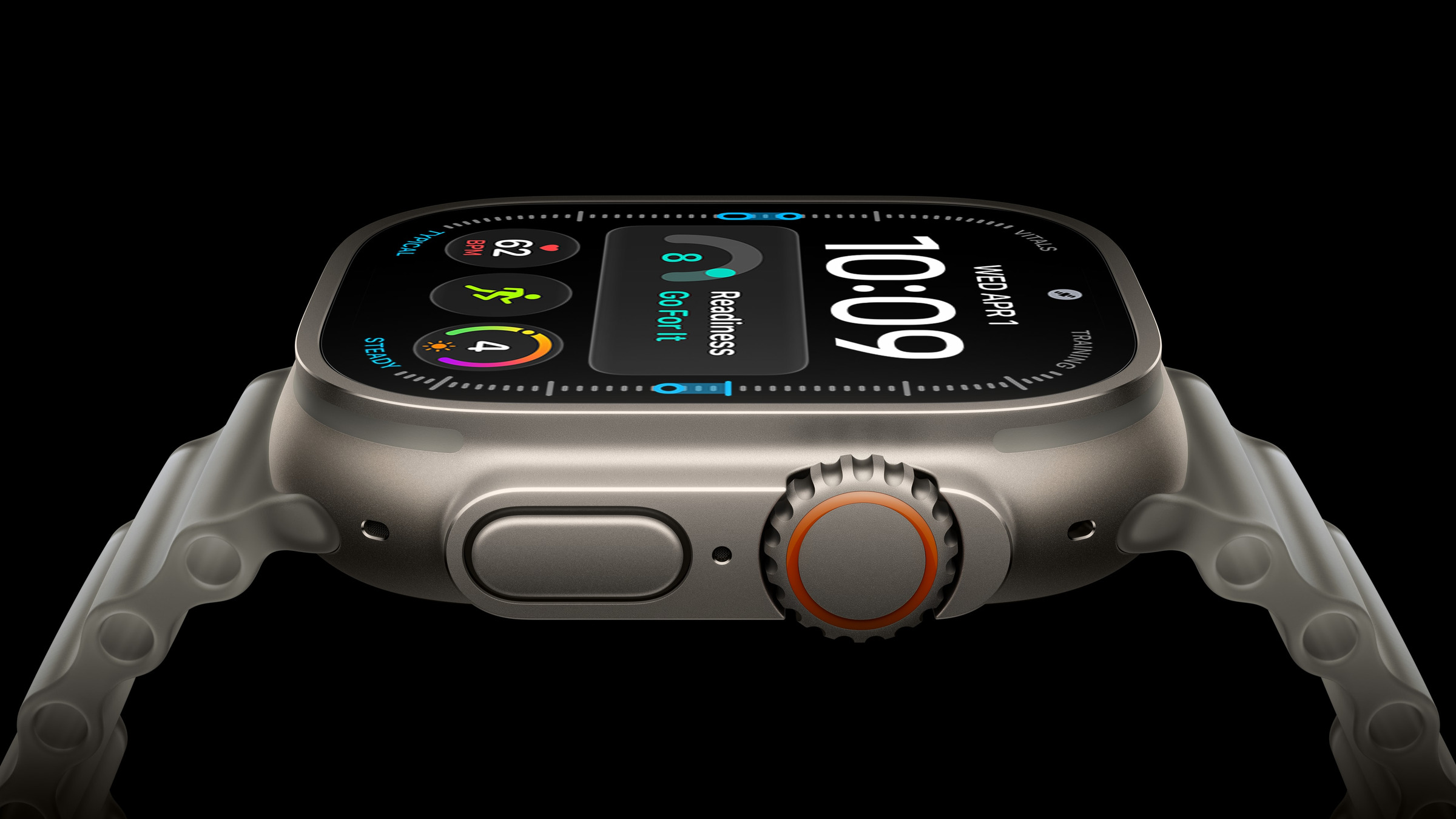
The fourth-generation Apple Watch Ultra features the same new sensors as the Series 12, but its focus lies elsewhere: It boasts a battery life of up to 50 hours in everyday use and can track outdoor workouts for up to 45 hours continuously. The price remains at €899, and it will be available starting September 18th.
Alongside the Series 12, Apple has also updated its Ultra line. The announcement in the German Apple Newsroom highlights three key features: a new health tracking system, significantly longer battery life, and GPS that Apple claims is the most accurate in a sports watch. Much of what was previously reported about the Ultra 4 now holds true – especially the lack of a new casing.
Key Facts at a Glance
- In everyday use, the watch lasts up to 50 hours, eight hours more than the Ultra 3; in power saving mode, it lasts 84 hours instead of 72.
- The extended training mode tracks outdoor workouts for 25 hours, the maximum extended mode for up to 45 hours.
- Sensors and daily performance data are equivalent to the Apple Watch Series 12.
- A 15-minute charge provides up to 18 hours of runtime, compared to twelve hours for the predecessor.
- Price unchanged from 899 euros, titanium in natural and black, on sale from September 18th.
The battery is the real breakthrough
Apple claims up to 50 hours of battery life under normal use, compared to 42 hours for the Ultra 3. In power-saving mode, this increases from 72 to 84 hours. Charging has also improved: 15 minutes of charging provides up to 18 hours of additional battery life, compared to 12 hours for its predecessor.
For workouts, there are two tiered modes. The extended workout mode provides 25 hours of tracking with unrestricted GPS and heart rate monitoring, a quarter more than the 20 hours of the Ultra 3. For longer workouts, switch to the maximum extended workout mode: Here, the watch tracks running, walking, and hiking for up to 45 hours, while the GPS continues to update every second. Apple cites a 100-mile ultramarathon as a benchmark.
These 45 hours don't come without a price, however. According to Apple's own footnote, the watch switches to power-saving mode during the workout in both modes; in the extended mode, notifications and split times are also disabled, and certain workout data is unavailable. Those who need full data tracking should therefore expect to use the full 25 hours.
Sensors like in the Series 12
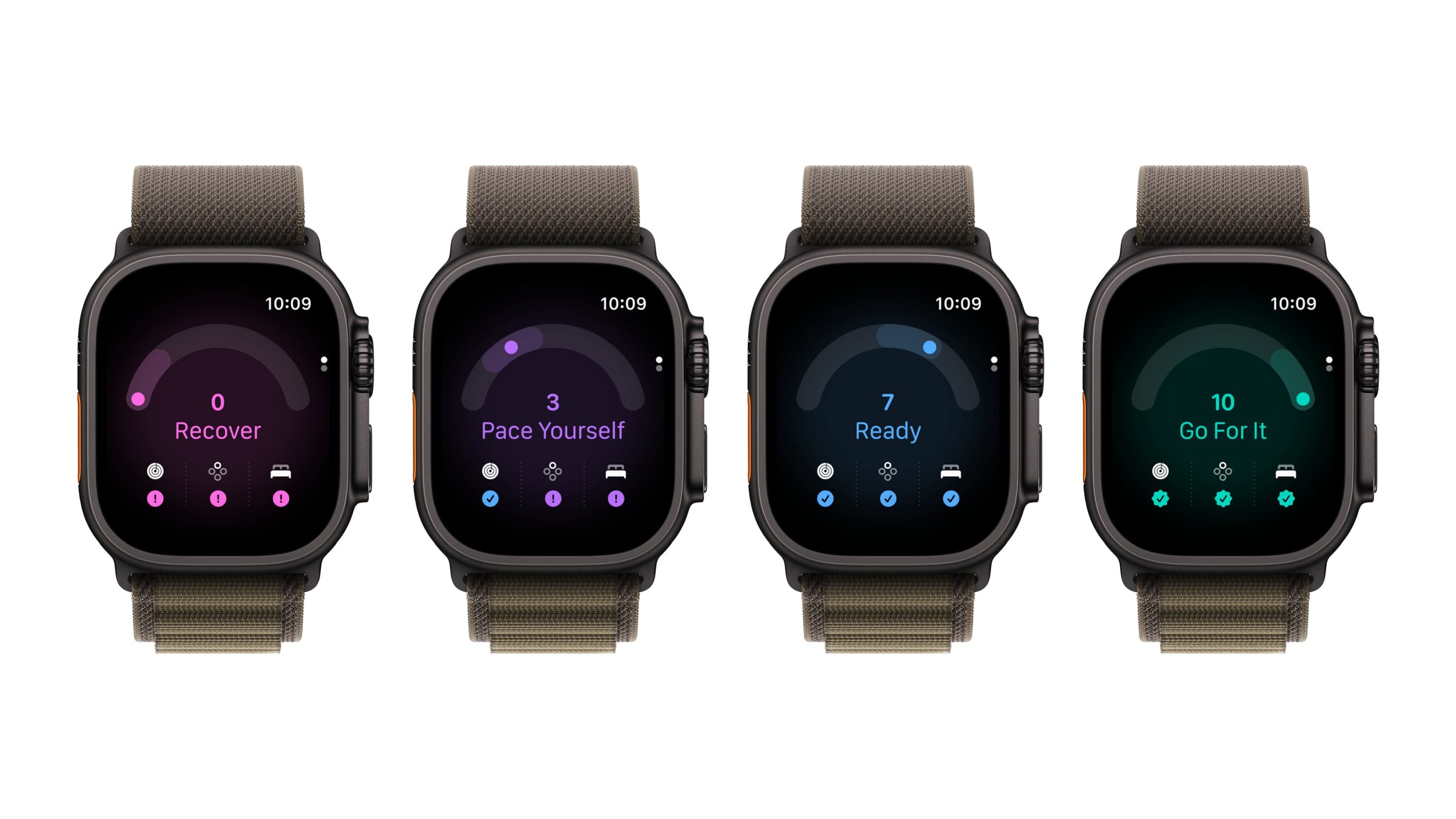
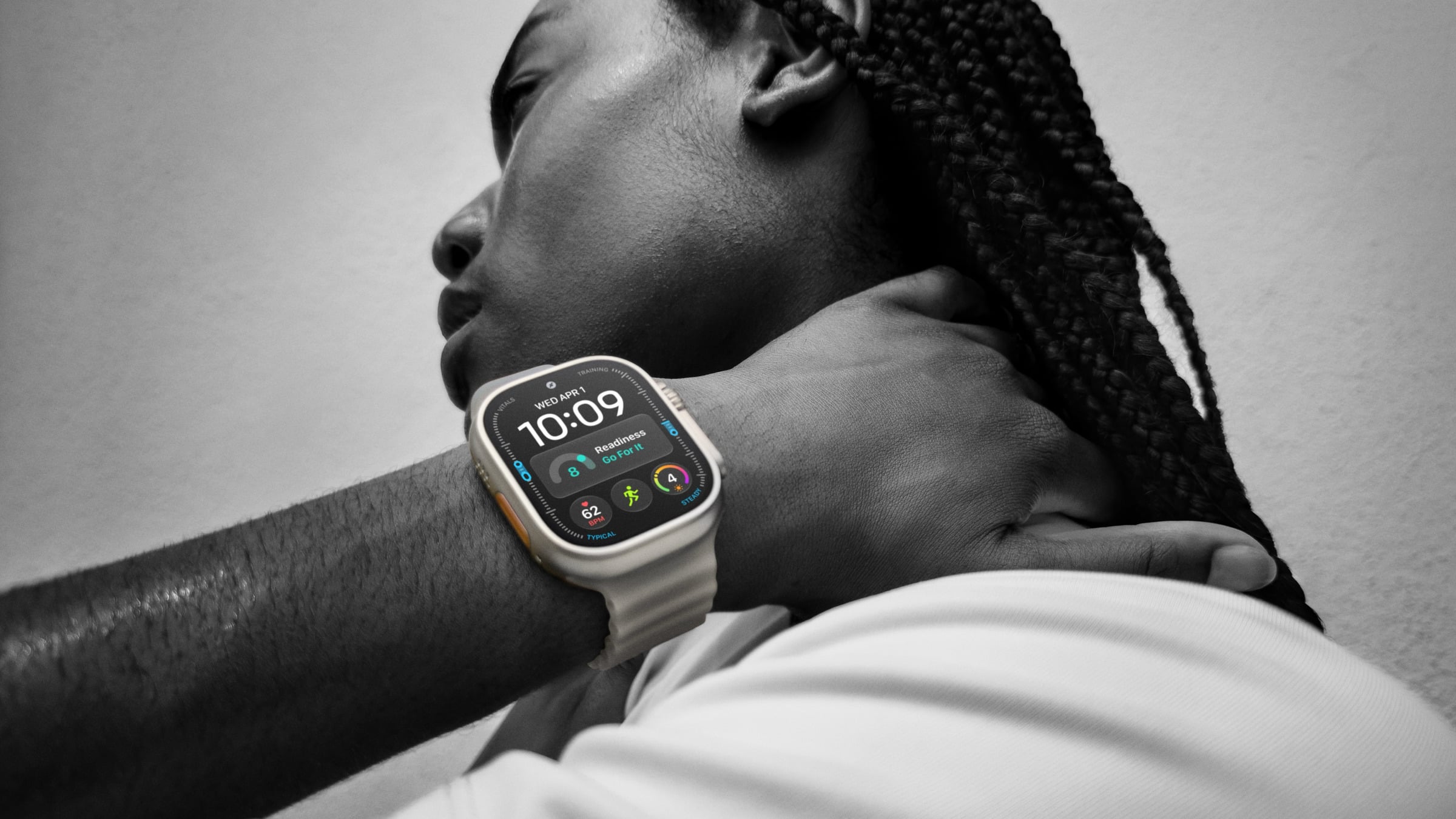
The Ultra 4 gets the same new feature as its smaller sibling: The optical heart sensor measures the pulse every five seconds throughout the day, heart rate variability is recorded up to 24 times more frequently and displayed as two separate values. In addition, there's a daily fitness score on a scale of 0 to 10, with one of four recommendations. Details can be found in the article about the Apple Watch Series 12.
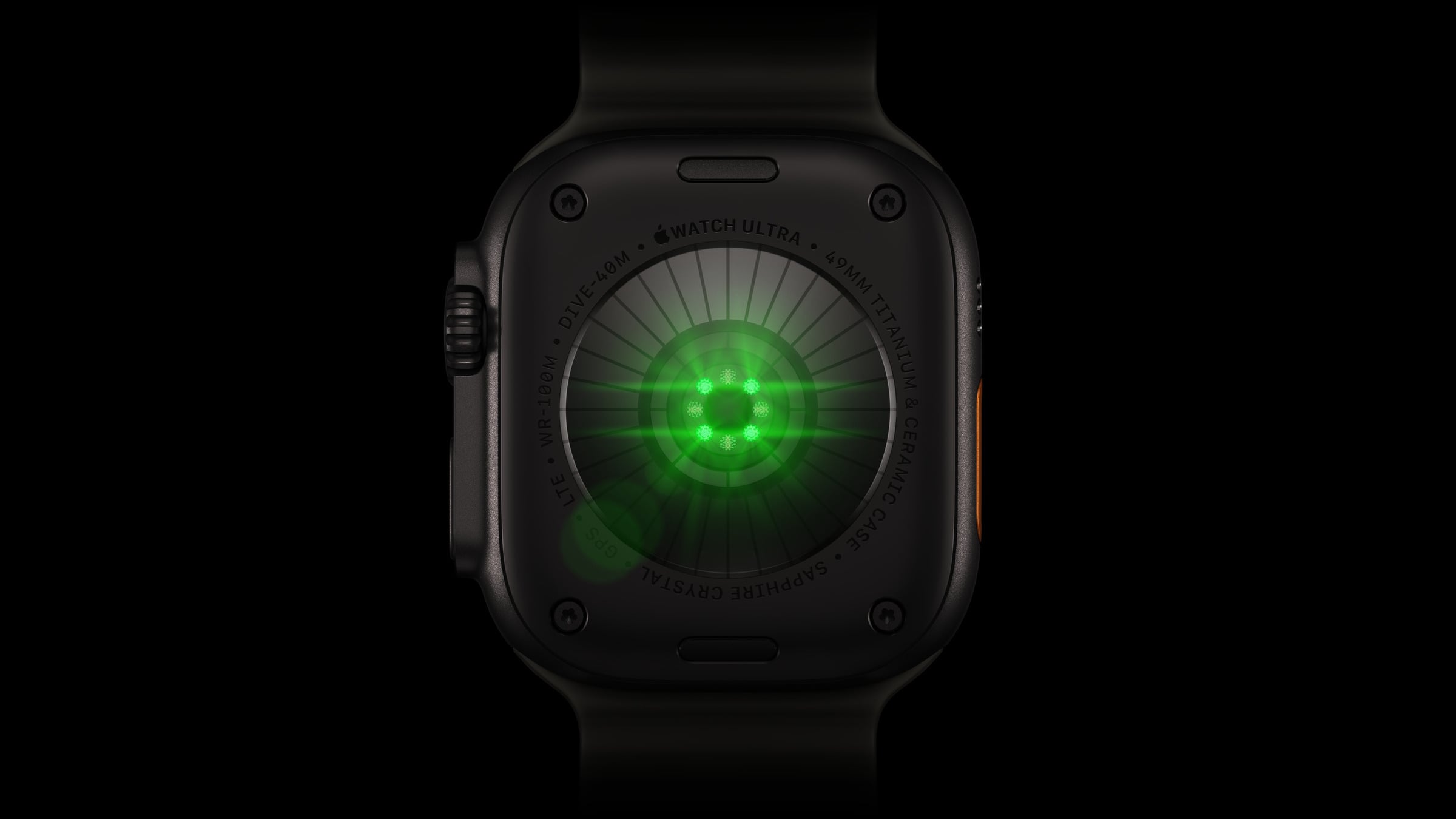
Here too, Apple's own disclaimer applies: the vital signs app is intended for wellness purposes and not for medical use. Regarding the accuracy of the pulse measurement, Apple refers to the same study with over 1,000 participants.
The watch is powered by the S11 chip. Shazam and the sound recognition feature, which alerts users to sirens, alarms, or a crying baby, also run via its Secure Enclave – the latter of which, according to Apple, will be available later this year.
GPS and satellite
Apple claims its GPS offers the highest accuracy in a sports watch. According to the company, this was tested by comparing the accuracy of the route map in densely populated city centers with leading sports watches featuring dual-frequency GPS that were on the market in August 2026.
Satellite features remain available: Emergency SOS, "Find My," and messaging via satellite are free for two years after activating an Ultra 3 or newer model. Messaging and satellite location tracking require a cellular plan; the paired iPhone must be switched on and connected, but not nearby.
Cases and bracelets
The exterior remains largely unchanged: Apple continues to offer titanium in Natural and Black. Even a report from late July hadn't anticipated a redesigned case.
The watch bands are available in new colors: The Trail Loop comes in Dark Umber, Sand, and Burgundy, while the Alpine Loop is available in Desert, Dark Olive, and Burgundy. The Ocean watch bands are now made of semi-transparent silicone in three colors.
Price and market launch
| Apple Watch Ultra 3 | Apple Watch Ultra 4 | |
|---|---|---|
| Price from | 899 euros | 899 euros |
| Daily use | up to 42 hours. | up to 50 hours. |
| Power saving mode runtime | up to 72 hours. | up to 84 hours. |
| Outdoor training with full GPS tracking | up to 20 hours. | up to 25 hours. |
| Maximum extended training | – | up to 45 hours. |
| Fast charging, 15 minutes | up to 12 hours. | up to 18 hours. |
| Housing | Titanium | Titanium |
The Ultra 4 starts at €899, the same price as the Ultra 3, whose specifications are taken from Apple's technical data sheet. Pre-orders are now open in Germany and more than 50 other countries, with sales beginning on Friday, September 18. watchOS 27 will be released on September 14.
For whom the switch makes sense
The Ultra series has always been sold on its battery life, and that's precisely where the improvement lies. Eight extra hours in everyday use might sound unremarkable, but it does change your charging schedule: If you take the watch off at 10 pm, 50 hours of battery life will get you through two full days, including two nights of sleep tracking.
For competitions, the second figure is more relevant. 45 hours of tracking covers distances at which the Ultra 3 would have given up – but with notifications disabled and training data incomplete. Therefore, the more accurate figure for ambitious runners is 25 hours with full tracking.
Those who wear an Ultra 3 primarily get sensors and battery life, but not a new device. For all previous models, the difference is significantly larger.
Are 25 hours with full data recording enough for you, or is the reduced 45-hour mode the deciding factor? Let us know in the comments how long your longest tour was.