
This article may contain affiliate links. Learn more on our Partner Program page.
The Chinese smartphone market fell to its lowest level in 14 years this summer. According to Counterpoint, Apple climbed from last to second place among the major manufacturers in this environment. Just a few days earlier, IDC had reported a slight decline for Apple.
According to preliminary figures from Counterpoint Research, 10 percent fewer smartphones were shipped in China in the third quarter of 2026 than in the same period of the previous year. This is the lowest figure for a third quarter since 2012. The market research firm attributes this decline to the continued rise in memory prices, which drive up component costs and exacerbate supply bottlenecks.
For the same period, IDC reported a decline of 15.4 percent and confirmed a slight decrease in shipments to Apple in China. Counterpoint paints a significantly more favorable picture for Apple. All articles on Apple's business there are collected on the China topic page.
Key Facts at a Glance
- China's smartphone shipments fell by 10 percent in the third quarter, according to Counterpoint, to their lowest Q3 level since 2012.
- Apple achieves a market share of 19.5 percent and climbs from sixth to second place, behind Huawei with 21.3 percent.
- Only Huawei and Apple are gaining market share; together they supply around 40 percent of all devices.
- The iPhone 18 Pro models sold 23.5 percent better in the first three weeks than the 17 Pro models did last year.
- IDC had reported a sharper market decline and a slight decrease for Apple during the same period.
Apple and Huawei are pulling away
In Counterpoint's chart of the six largest manufacturers, the order has almost completely reversed within a year. In the third quarter of 2025, Apple was in last place with 14.7 percent, while Huawei was in third with 16.0 percent. A year later, both are at the top.
| Manufacturer | Q3 2025 | Q3 2026 | Change |
|---|---|---|---|
| Huawei | 16,0 % | 21,3 % | +5.3 points |
| Apple | 14,7 % | 19,5 % | +4.8 points |
| vivo | 18,0 % | 15,2 % | -2.8 points |
| OPPO | 16,4 % | 15,1 % | -1.3 points |
| Xiaomi | 15,1 % | 13,5 % | -1.6 points |
| HONOR | 14,9 % | 12,7 % | -2.2 points |
| Other | 4,8 % | 2,8 % | -2.0 points |
Counterpoint measured shipments to retailers, not sales to end customers. OPPO's figures also include OnePlus and realme. Together, Huawei and Apple account for 40.8 percent. Counterpoint interprets this as a sign that a strong position in the premium segment is proving advantageous during the memory crisis.
What's behind Apple's leap
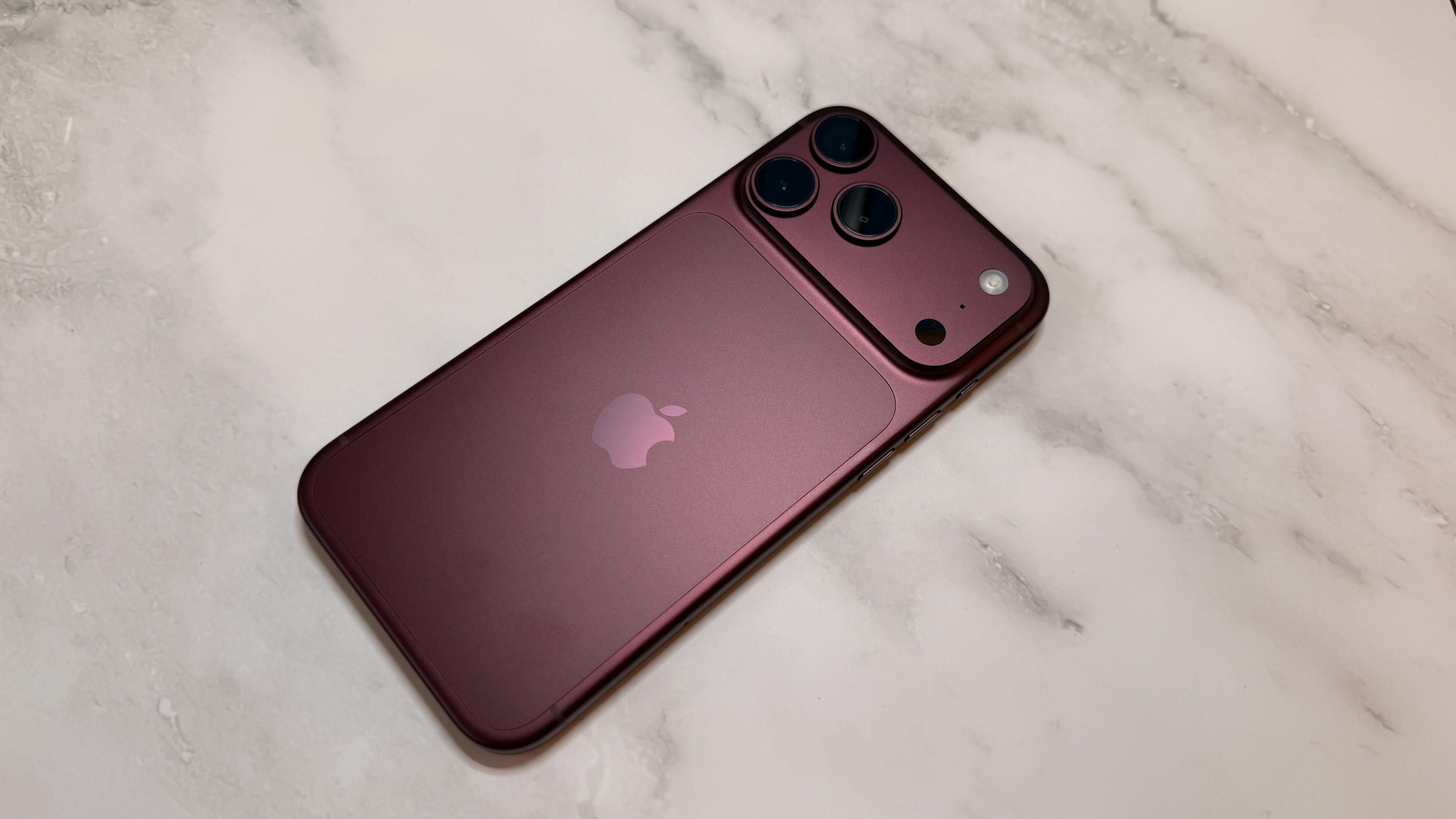
Counterpoint cites the strong launch of the iPhone 18 Pro models as the driving force: In the first three weeks, sales in China were 23.5 percent higher than those of the iPhone 17 Pro models in the previous year. Additionally, the later launch of the regular iPhone 18 may have steered some buyers towards the Pro models. Furthermore, the price gap to top Android models has narrowed.
This aligns with Counterpoint's earlier weekly data, which showed Apple in first place in China during the iPhone 18 Pro's launch week. Huawei maintains its lead for the quarter thanks to stable prices in the first few weeks and strong sales across its entire range, from entry-level devices to the Mate 80. Counterpoint estimates Huawei's growth at 19 percent.
Two market researchers, two results
The two market research firms arrive at significantly different results for the same quarter. Counterpoint reports a 10 percent decline in the overall market, while IDC reports 15.4 percent. They are almost in agreement regarding Huawei, with market shares of 21.3 and 21.1 percent, respectively.
However, the figures for Apple differ. IDC reported a slight decrease in shipments due to fewer new models. Counterpoint's figures, on the other hand, show a significant increase: If the market share grows from 14.7 to 19.5 percent in a market that shrinks by 10 percent, then according to my calculations, Apple is shipping around 19 percent more than last year. The same calculation yields just under 20 percent for Huawei, which aligns with Counterpoint's own figure of 19 percent.
Both figures are preliminary. Which side is closer can only be determined by Apple's own figures for Greater China, which Apple will present with its quarterly results on November 2nd. These figures, however, also include Hong Kong and Taiwan and all products, not just the iPhone.
Why price rounds will determine the next quarter
I believe these figures indicate that Apple is weathering the storage crisis in China better than most Android manufacturers so far – regardless of which market research firm ultimately comes out on top. Both see Huawei and Apple as winners in a shrinking market, and both see the losses primarily affecting brands in the price-sensitive segment.
Counterpoint is cautious about the fourth quarter. Huawei raised prices on September 1st, and Apple also increased its prices. According to Counterpoint, buyers are reacting by postponing new purchases, waiting for discounts, or opting for refurbished devices. I expect Apple's lead over the rest of the market to be smaller in the holiday quarter than it is now, because the effect of the Pro launch will then fade, and the regular iPhone 18 won't be available until spring.
Higher iPhone prices are also found in this country: The iPhone 18 Pro costs 150 euros more in Germany than its predecessor.
Do you trust Counterpoint's positive or IDC's negative forecast – and what do you expect when Apple releases its Greater China figures on November 2nd? Let us know in the comments which market research firm you think is more accurate.