

This article may contain affiliate links. Learn more on our Partner Program page.
Three market researchers, three different methods, one common result: The PC market collapsed by more than a fifth in the third quarter, with Apple suffering significantly smaller losses than its competitors. Now, Counterpoint's analysis is also available – and it includes a forecast that doesn't bode well for the Christmas quarter.
Following IDC and Gartner, Counterpoint Research released its figures for the global PC market in the third quarter of 2026 on October 22. According to the Counterpoint report, shipments fell by 21 percent to 57.0 million units, down from 72.2 million a year earlier. Apple shipped 5.6 million Macs, 11 percent fewer than in the same quarter of the previous year, and increased its market share from 8.7 to 9.8 percent. This aligns with IDC's figures, which showed that Mac shipments fell by 11 percent, while the overall market declined by 20 percent.
Key Facts at a Glance
- Counterpoint reported 57.0 million PCs shipped in the third quarter, a decrease of 21 percent.
- Apple sold 5.6 million Macs (down 11 percent) and increased its market share to 9.8 percent.
- IDC and Gartner forecast declines of 20.1 and 22.4 percent, respectively, for the overall market. Apple's losses are significantly lower than the market average according to all three institutes, and the lowest of all listed manufacturers according to Gartner.
- Counterpoint expects an even steeper decline of 27 percent for the fourth quarter.
Three institutes compared
The three market researchers use different counting methods and therefore arrive at different unit figures. However, the trend is the same for all: the market is shrinking by about a fifth, with Apple shrinking by significantly less.
| IDC | Gardener | Counterpoint | |
|---|---|---|---|
| Total PC market | 62.7 million | 55.4 million | 57.0 million |
| Market change | -20.1 % | -22.4 % | -21 % |
| Macs | 5.9 million | – | 5.6 million |
| Apple change | -11.3 % | -7.1 % | -11 % |
| Apple's market share | 9.5 % (previous year 8.5 %) | – | 9.8 % (previous year 8.7 %) |
The gap between Apple's decline and that of the overall market is therefore just under nine percentage points according to IDC, ten according to Counterpoint, and just over 15 according to Gartner. According to Gartner's report, Apple had the smallest decline of all the listed manufacturers.
Counterpoint's ASUS report shows a slight downside of seven percent, ahead of Apple, and IDC's also shows a downside of 8.6 percent. The big three are hit harder by all the reports: Lenovo loses around 23 percent, Dell around 25 percent, and HP around 31 percent.
Storage prices are driving the slump
All three institutes cite the increased costs of RAM and SSDs as the reason, which translates into higher prices for devices. Gartner puts the increase in DRAM costs in the second quarter at five times the previous year's figure and attributes the decline not to excessive inventory, but to the prices themselves.
Furthermore, the previous year's quarter was strong: In the third quarter of 2025, many companies purchased new computers before the end of support for Windows 10. This further complicates the comparison.
Counterpoint expects a 27 percent decline for the fourth quarter, followed by sideways movement at this lower level in 2027. Analyst David Naranjo cautions against interpreting such stabilization as a recovery.
Why Apple loses less
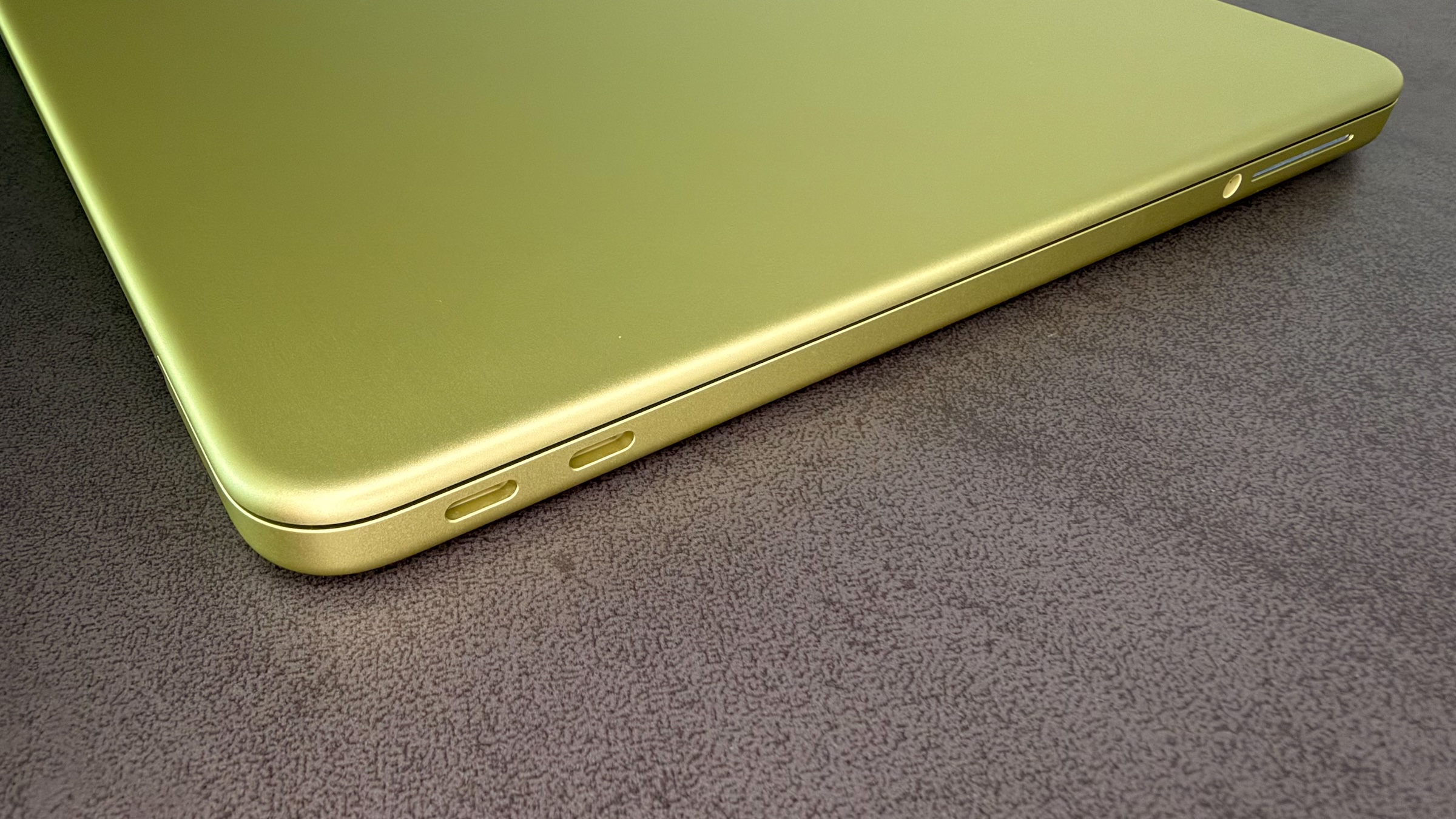
Counterpoint analyst Minsoo Kang attributes Apple and ASUS's better performance to "differentiated product portfolios and competitive positioning." For Apple, the obvious candidate is the MacBook Neo: it expanded the Mac lineup this year at the lower end and outsold the MacBook Air and MacBook Pro in the spring. In Germany, it started at €699, but since the price increase at the end of June, it costs €799 – meaning even the entry-level model has become more expensive.
I therefore believe the figures reflect a supply problem, not a Mac weakness. Apple is losing units, but less than all the major Windows vendors, and is gaining market share at each of the three survey institutes. Memory prices are affecting Apple in the same way. The fact that the decline is nevertheless smaller suggests, in my view, that Mac buyers are less price-sensitive than the entry-level market where Windows vendors generate their sales volume.
The 27 percent decline for the fourth quarter is still a warning sign for Apple, as the Christmas shopping season falls precisely within this period. Apple's own assessment of the past quarter will be revealed in the quarterly figures on November 2nd – when Mac sales will be released directly from Cupertino, rather than based on projections. Those currently choosing a Mac can find the latest models with German prices in the Mac buying guide; everything else about the most affordable Apple notebook is compiled on the MacBook Neo topic page.
Are you noticing the price increases yourself – or have you kept your Mac a year longer than planned because of them? Tell us in the comments how you're handling it.