
This article may contain affiliate links. Learn more on our Partner Program page.
Six years after the lawsuit, the dispute over Apple's series Servant has been decided in the second instance. The US Court of Appeals upheld the jury's verdict in favor of Apple and M. Night Shyamalan. The lawsuit failed not over the question of whether the film and the series were similar, but rather over whether the creators could have even been familiar with the film.
The U.S. Court of Appeals for the Ninth Circuit dismissed director Francesca Gregorini's appeal on October 22, 2026. According to the ruling in case 25-3225, the jury's verdict, which acquitted Apple, Shyamalan, and the other defendants in late January 2025, remains in effect. Gregorini had claimed that the first three episodes of Servant were essentially a carbon copy of her 2013 film, "The Truth About Emanuel." The series premiered on Apple TV in November 2019 and concluded in 2023 after four seasons.
Key Facts at a Glance
- The appeals court upheld the jury's verdict in favor of Apple and Shyamalan.
- Gregorini only attacked two points: an instruction to the jury and the handling of an open question from the jurors.
- The court rejected both objections without an oral hearing.
- The decision is not intended for publication and therefore does not set a precedent.
A film, a doll, and a nanny
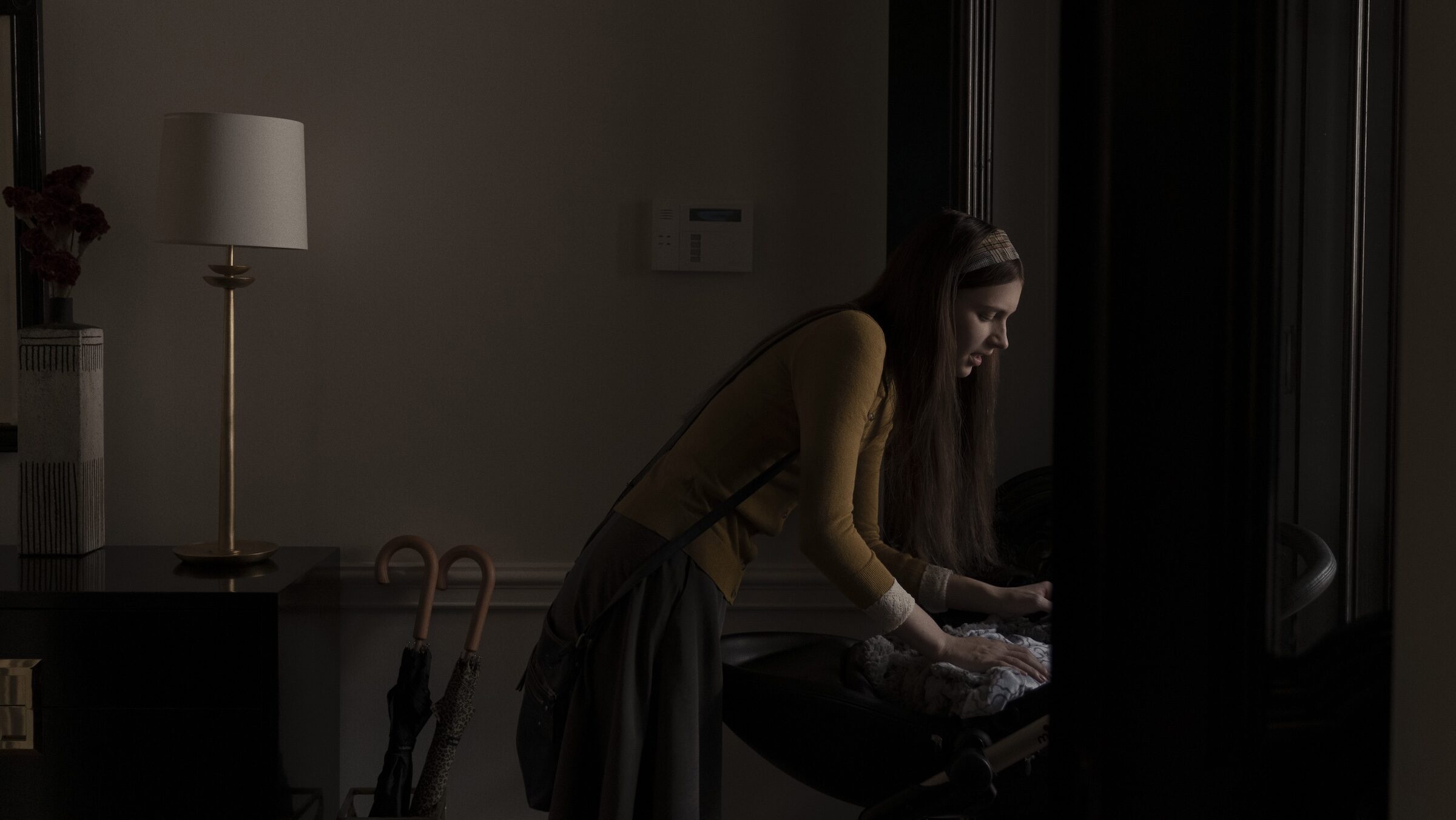
"The Truth About Emanuel" premiered at the Sundance Film Festival in January 2013, starring Kaya Scodelario and Jessica Biel. The film tells the story of a young woman babysitting her new neighbor's baby, who discovers the child is a doll. "Servant" tells the story of a Philadelphia couple who, after the death of their child, take on the care of a lifelike doll and hire a nanny to do so.
Gregorini sued Apple and the producers in January 2020, reportedly seeking around $81 million in damages. The district court initially dismissed the lawsuit because the works were not legally similar enough. The Ninth Circuit overturned this decision in February 2022, stating that reasonable people could have differing opinions on the matter and that it should therefore be decided by a jury.
| Date | Step |
|---|---|
| January 2020 | Lawsuit filed in the District Court in Los Angeles |
| February 2022 | The appeals court overturns the dismissal; the case goes back to court |
| January 2025 | The jury unanimously decides in favor of Apple and Shyamalan |
| Spring 2025 | Request for a new trial rejected |
| October 22, 2026 | Appeals court upholds jury verdict |
Why the lawsuit failed
The trial ultimately hinged on access. Anyone seeking to prove copyright infringement must demonstrate that the opposing party could have been aware of the work – either through a verifiable chain of contacts or because the work was widely distributed. The jury concluded that this access had not been proven.
Gregorini wanted the judge to define the term "widely disseminated" more precisely for the jury. Her argument: A film could be considered widely disseminated even if it was known within the industry, without having been a box office success. The appeals court upheld the standard instruction used. It did not preclude success and industry recognition, and Gregorini had sufficient opportunity to present her view to the jury.
The second objection also fails. During deliberations, the jury had asked for a definition, and the judge wanted to hear from the parties the following day. The jurors had previously reached a unanimous verdict. The court sees no fault in this: the jury clearly did not need the answer for its verdict, they were questioned individually, and there is no evidence of coercion.
Why the case goes beyond Servant
I find the decision particularly noteworthy because it demonstrates how difficult such lawsuits are to win, even when a similarity is taken seriously in court. The appeals court had explicitly declared the similarity debatable in 2022 – yet Gregorini still lost because she couldn't prove access to the source material. For a small independent film without a major theatrical release, that's precisely the biggest hurdle.
For viewers in German-speaking countries, nothing changes. Servant remains fully available on the Apple TV streaming service, and the decision, as an unpublished ruling, is not binding on future proceedings. After more than six years, the jury verdict thus stands on appeal.
Are you familiar with both works – and do you see Servant as a more independent idea or too much like "Emanuel"? Let us know in the comments how similar the two stories seem to you.