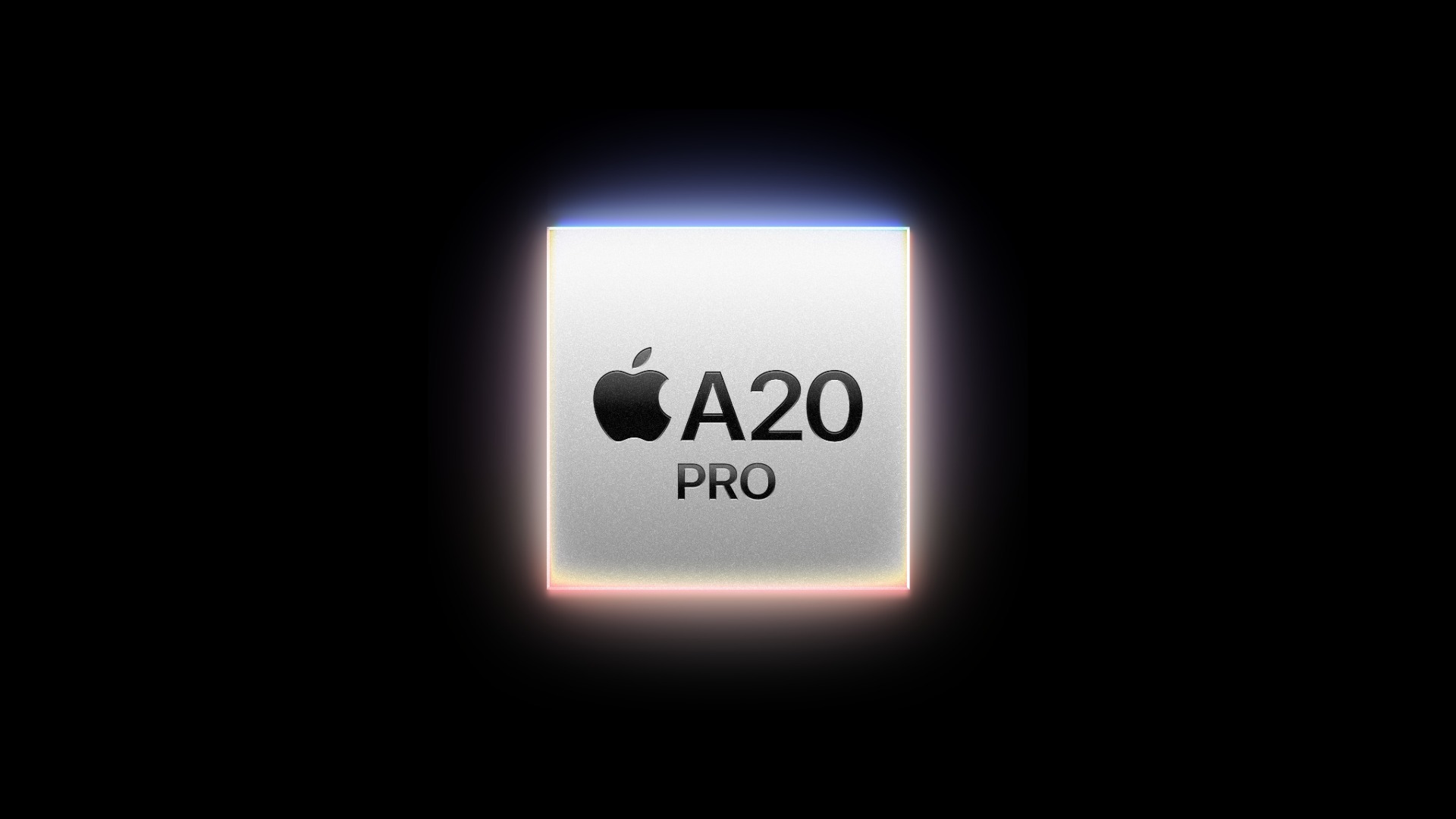
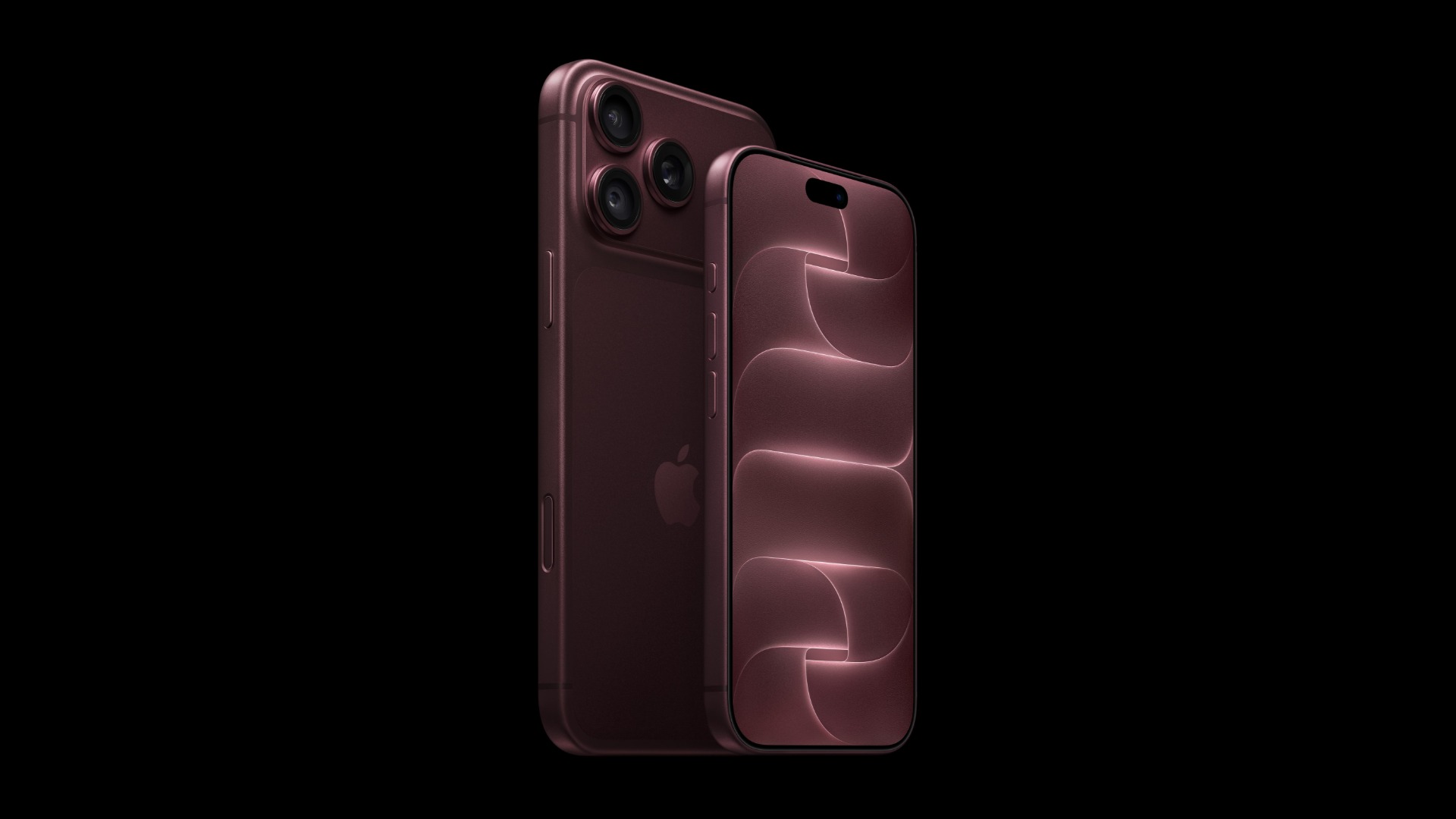
Apple promises up to 40 percent more graphics performance and double the AI processing power with the A20 Pro. Measurements from test devices have been available since the market launch. They show that the increase depends heavily on the chip's casing. In the iPhone 18 Pro Max, the improvement is greater than promised, while in the smaller model, it is barely measurable in one aspect.
Apple unveiled the A20 Pro on September 9th along with the iPhone 18 Pro, iPhone 18 Pro Max, and iPhone Duo. The two Pro models have been available since September 18th, with the Duo following on October 23rd.
The chip is manufactured using a 2-nanometer process. It features an additional graphics core, a doubled Neural Engine, and, according to Apple's announcement, 50 percent more memory bandwidth than the A19 Pro in the iPhone 17 Pro. The specifications of both chips can be found in the German iPhone 18 Pro datasheet and the iPhone 17 Pro support datasheet.
Even the day after its unveiling, entries in the Geekbench database indicated a significant performance leap for the A20 Pro. Tom's Guide has since tested both generations of devices using Geekbench 6 and 7, 3DMark, Geekbench AI, and a 20-run stress test.
Only the two Pro models have been measured so far, as the duo is not yet available in stores. The percentages in this article are calculated from these measurements. Camera, battery life, and prices of the devices are covered in the generational comparison of the iPhone 18 Pro and iPhone 17 Pro.
Key Facts at a Glance
- The main processor improves by around 23 percent in single-core and around 28 percent in multi-core performance in Geekbench 6.
- In the graph, the iPhone 18 Pro Max, with an increase of around 46 percent, exceeds Apple's stated figure of up to 40 percent. The iPhone 18 Pro achieves around 33 percent.
- In Geekbench AI, the scores increase by 41 and 48 percent. That's significantly more, but not double what Apple quotes for the Neural Engine.
- Under sustained load, the iPhone 18 Pro Max maintains its performance significantly more stable than its predecessor; with the iPhone 18 Pro, this remains almost unchanged.
- The chip is identical in both Pro models. The differences lie within the device itself, not in the silicon.
What Apple changed in the chip
On paper, the main processor still has six cores. Apple now calls the two high-performance cores in the A20 Pro "Super Cores" instead of "Performance Cores" and refers to integrated Neural Accelerators for the main processor, a feature the A19 Pro's datasheet only lists for the graphics unit. The more significant changes are in the graphics, Neural Engine, and memory interface.
| Feature | A19 Pro | A20 Pro |
|---|---|---|
| Production | 3 nm (TSMC N3P) | 2 nm |
| CPU | 6 cores: 2 performance, 4 efficiency | 6 cores: 2 super cores, 4 efficiency cores, with Neural Accelerators |
| GPU | 6 cores with Neural Accelerators | 7 cores with Neural Accelerators |
| Neural Engine | 16 cores | 2 × 16 cores, 32 in total |
| Raytracing | hardware accelerated | hardware accelerated |
| Memory bandwidth | basis for comparison | 50 percent more than A19 Pro |
| Connection to the cooling system | RAM in the thermal path | RAM next to the chip, chip directly on the vapor chamber |
Apple did not mention the manufacturing process for the A19 Pro in its 2025 announcement. Tim Millet, Apple's Vice President of Platform Architecture, confirmed the use of TSMC's 3-nanometer N3P process in an interview with the Taiwanese magazine INSIDE at the time.
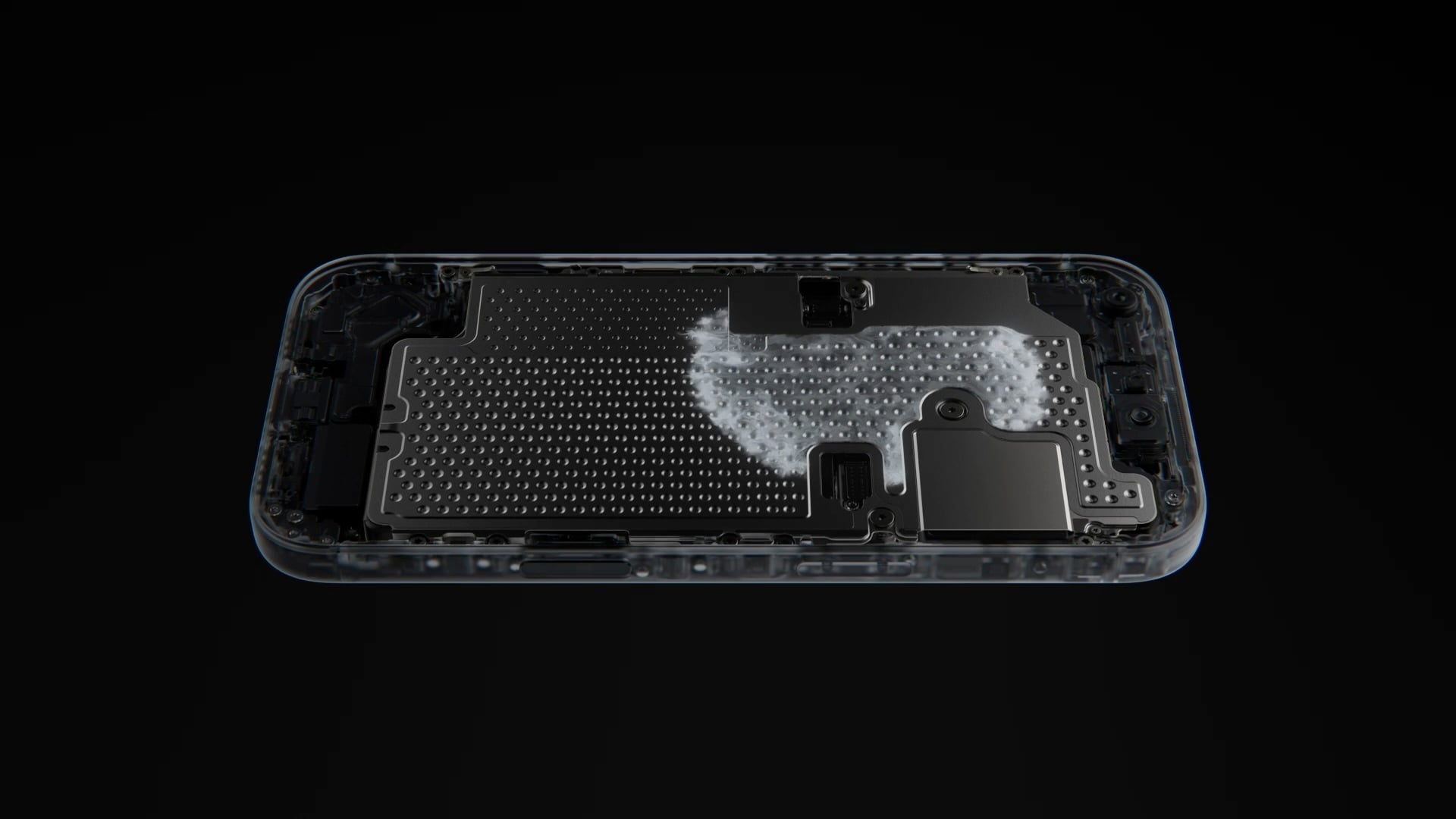
Apple says the new layout is based on the chips in its M-series. The RAM and chip are positioned side-by-side instead of stacked on top of each other, allowing the A20 Pro to sit directly on the vapor chamber. According to Apple, the vapor chamber's surface area is three times larger than that of the iPhone 17 Pro. Together, this is said to result in up to 40 percent more sustained performance.
Main processor: Roughly one-fifth more per core
Tom's Guide tested both generations with Geekbench 6 and the newer Geekbench 7. The two versions scale differently, so their scores can only be compared within the same version.
| Device | Geekbench 6 Single-core / Multi-core | Geekbench 7 Single-core / Multi-core |
|---|---|---|
| iPhone 18 Pro (A20 Pro) | 4.735 / 12.800 | 4.022 / 11.543 |
| iPhone 18 Pro Max (A20 Pro) | 4.741 / 12.789 | 4.025 / 11.525 |
| iPhone 17 Pro (A19 Pro) | 3.834 / 9.988 | 3.138 / 8.692 |
| iPhone 17 Pro Max (A19 Pro) | 3.871 / 9.968 | 3.285 / 8.999 |
In Geekbench 6, the single-core performance increase is 23.5 percent for the Pro and 22.5 percent for the Pro Max, while the multi-core performance is around 28 percent for both. Both new models score almost identically. Therefore, the chassis has no impact on the main processor in a single benchmark run.
In Geekbench 7, the performance gap varies depending on the model: 28.2 percent in single-core performance for the Pro, 22.5 percent for the Pro Max. This is due to the predecessor. Even the two A19 Pro devices are almost 150 points apart in Geekbench 7, while in Geekbench 6 the difference is less than 40 points.
Graphic: The Pro Max exceeds Apple's specifications
Apple claims up to 40 percent more performance in graphics compared to the A19 Pro. In the 3DMark Solar Bay Unlimited test, which includes ray tracing, only one of the two new models achieves this level of performance.
| Model | A19 Pro (iPhone 17) | A20 Pro (iPhone 18) | Growth |
|---|---|---|---|
| Per | 46.4 frames/s | 61.93 frames/s | 33.5 percent |
| Pro Max | 46.6 frames/s | 67.9 frames/s | 45.7 percent |
With the A19 Pro, both models performed virtually identically. With the A20 Pro, the Pro Max delivers around 10 percent more frames per second than the smaller model, even though both devices use the same chip with seven graphics cores. 9to5Mac had measured 40 to 45 percent more graphics performance in their initial reviews of the iPhone 18 Pro.
Neural Engine: Significantly more, but not a double
The Neural Engine in the A20 Pro consists of two blocks, each with 16 cores. Apple derives from this double the AI computing power compared to the A19 Pro. Geekbench AI 1.7, however, uses a quantized test to measure how quickly specific AI tasks are processed via Core ML on the Neural Engine. This is a different metric, and therefore the results do not contradict Apple's claim.
| Model | A19 Pro (iPhone 17) | A20 Pro (iPhone 18) | Growth |
|---|---|---|---|
| Per | 49.050 | 69.245 | 41.2 percent |
| Pro Max | 48.549 | 71.974 | 48.3 percent |
Here too, the Pro Max comes out on top, but the gap to the smaller model is around 4 percent, less than in the graphic.
Continuous load: Almost everything remains the same with the small model
To assess sustained performance, Tom's Guide ran the 3DMark Wild Life Extreme stress test 20 times consecutively. The stability score indicates what percentage of the performance from the best run remains in the weakest run.
| Device | Stability under stress test |
|---|---|
| iPhone 18 Pro Max | 79.4 percent |
| iPhone 17 Pro Max | 65.2 percent |
| iPhone 18 Pro | 62.8 percent |
| iPhone 17 Pro | 61.1 percent |
The Pro Max gains 14.2 percentage points, while the Pro only gains 1.7. Under sustained load, the smaller model therefore drops from its peak performance almost as much as its predecessor, albeit from a higher starting point. This doesn't necessarily contradict Apple's claim of up to 40 percent more sustained performance, as Apple quantifies the performance itself, not how consistently it remains high.
For choosing between the two sizes, this is the most important finding from the measurements. In other aspects, the models differ primarily in display, battery life, and weight, as the comparison of the iPhone 18 Pro and Pro Max shows.
Where the advantage translates into everyday life
The numbers are impressive, but in everyday use they diminish. TechRadar described the iPhone 18 Pro in its own test as being close to its predecessor and saw the advantage primarily in video exports and as a reserve for the coming years. This aligns with the measurements: The greatest difference is evident under sustained load, and there especially within the larger casing.
Our assessment: The chip alone isn't enough to justify upgrading from the iPhone 17 Pro. If you play a lot of games or edit videos directly on your iPhone, the iPhone 18 Pro Max is the model where the A20 Pro truly shines. The iPhone 18 Pro starts at €1,449 from Apple, and the Pro Max at €1,599; the iPhone 17 Pro was last listed at €1,299 by Apple and is now only available through retailers. The overview summarizes the other new features of this generation, including all the data and prices for the iPhone 18 Pro, while the iPhone buying guide provides a comparison of all current models.
When switching devices, data can be transferred to the new iPhone via Quick Start or backup. If the old device is to be sold, it must first be completely reset and signed out of the Apple account.
A chip that reveals more in a large package
The A20 Pro offers greater improvements in graphics and AI than the main processor. How much of this benefit is actually realized depends on the device: in the Pro Max, the chip delivers on Apple's promises, while in the smaller Pro, it remains close to its predecessor under sustained load.
Would the more stable performance of the Pro Max be worth the larger and heavier form factor to you – or is the smaller Pro still the right choice for you, even if it gives way sooner under load? Let us know in the comments which model you chose and why.
Frequently Asked Questions: A20 Pro vs. A19 Pro
In Geekbench 6, the main processor leads by around 23 percent in single-core performance and around 28 percent in multi-core performance. In graphics testing, the increase in Solar Bay ranges from 33.5 percent for the iPhone 18 Pro to 45.7 percent for the Pro Max.
Yes, both use the A20 Pro with six CPU cores, seven graphics cores, and a 32-core Neural Engine. Under load, the Pro Max still performs better. This is due to the device itself, not the chip.
The A20 Pro has seven graphics cores, one more than the A19 Pro in the iPhone 17 Pro. Apple claims up to 40 percent more graphics performance.
According to Apple, it's manufactured using a 2-nanometer process. The A19 Pro is produced using TSMC's 3-nanometer N3P process.
In the 3DMark stress test, the iPhone 18 Pro maintains 62.8 percent of its peak performance, barely more than the iPhone 17 Pro at 61.1 percent. The Pro Max achieves 79.4 percent, while its predecessor reaches 65.2 percent.
The iPhone 18 Pro, the iPhone 18 Pro Max, and the iPhone Duo. The Duo will be available on October 23.
Not because of the chip alone. The A20 Pro shows its greatest advantage under sustained load, such as when gaming or video editing on the iPhone, and especially in the iPhone 18 Pro Max.