This article may contain affiliate links. Learn more on our Partner Program page.
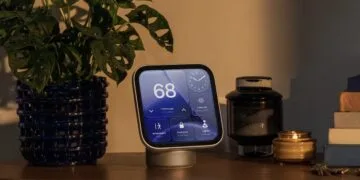
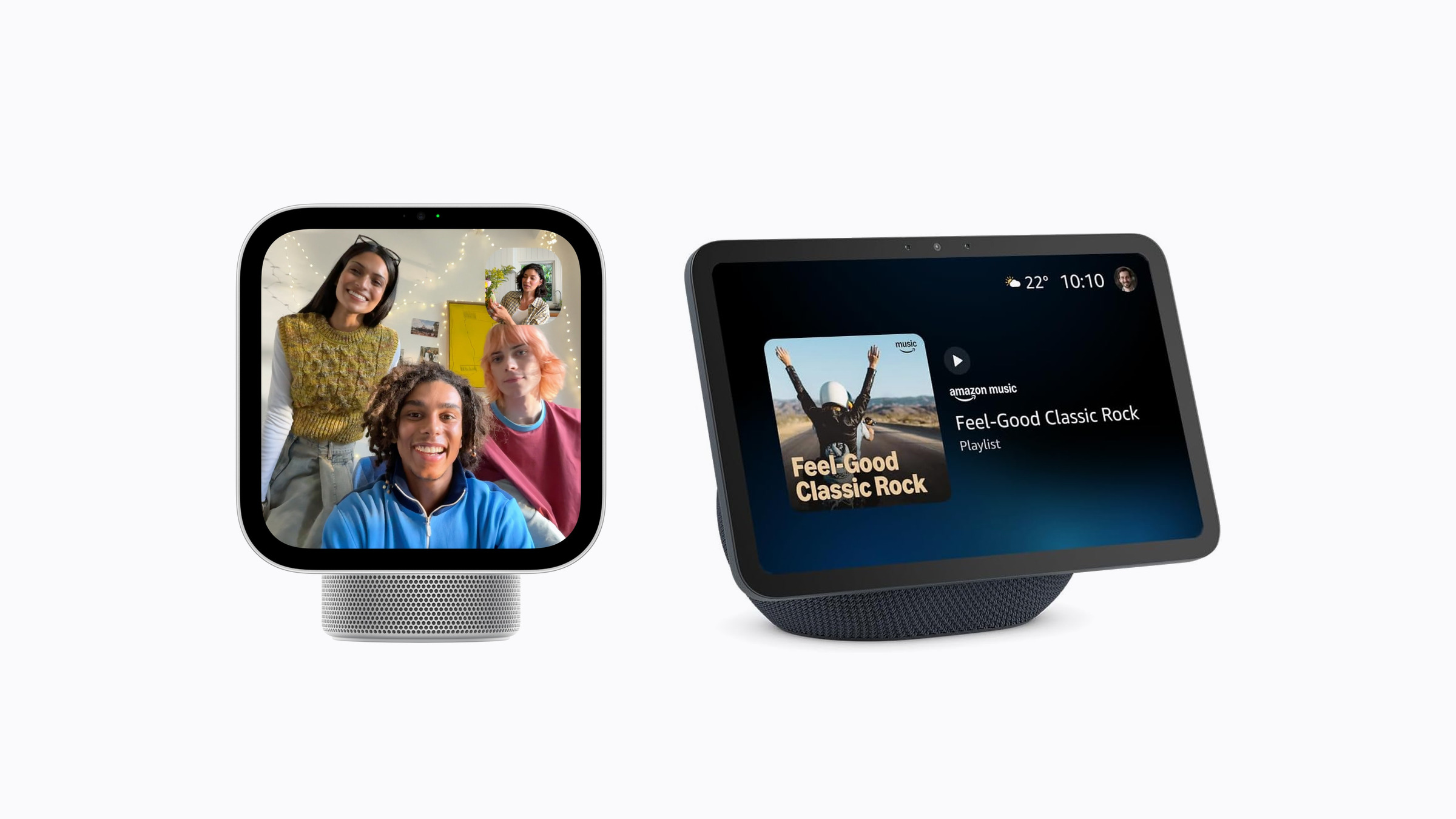
Apple is late to the game with HomeView, entering a device category that Amazon has dominated for years. On paper, the Echo Show is larger and more open. Nevertheless, HomeView has advantages that aren't reflected in any measurement, and one disadvantage that overshadows everything else in this country.
Apple Home View launches on November 13th in eight countries, excluding Germany, Austria, and Switzerland. Its obvious competitor, however, has long been available: Amazon's Echo Show with Alexa+, which already speaks German in Germany and Austria.
Apple lists the HomeView in its technical specifications with a 7-inch display and A18 chip. The Echo Show 8 and Echo Show 11, which use the same chip and camera, are the closest to the HomeView in terms of price. Alternatives to Apple HomeView are shown below.
Key Facts at a Glance
- The Echo Show is available in Germany and Austria, HomeView is not.
- A 16:9 video runs almost twice as wide on the Echo Show 11 as on HomeView.
- HomeView has the highest pixel density and FaceTime.
- Zigbee and Android are only available on the Echo Show, where Netflix runs as a separate app.
- German is not currently one of the supported languages for Siri AI, while Alexa+ runs in German in Germany and Austria.
HomeView and Echo Show data comparison
| Feature | Apple Home View | Echo Show 8 | Echo Show 11 |
|---|---|---|---|
| Price | $299 (USA) | 219.99 euros | 269.99 euros |
| Available in Germany and Austria | no | Yes | Yes |
| Display | 7 inches, square | 8.7 inches | 10.95 inches |
| Resolution | 1088 × 1088 | 1340 × 800 | 1920 × 1200 |
| Pixel density | 220 ppi | approximately 179 ppi | approximately 207 ppi |
| Chip | A18 | AZ3 Pro | AZ3 Pro |
| Camera | 12 MP, Center Stage | 13 MP | 13 MP |
| Speakers | 2 drivers, woofers, 2 passive radiators | 2 broadband drivers, 2.8-inch bass | 2 broadband drivers, 2.8-inch bass |
| Smart Home | HomeKit, Matter, Thread | Zigbee, Matter, Thread | Zigbee, Matter, Thread |
| Wi-Fi | Wi-Fi 6E | Wi-Fi 6E | Wi-Fi 6E |
| Width | 14.55 cm | approximately 21 cm | approximately 26 cm |
| Weight | 952 g | approximately 1 kg | approximately 1.3 kg |
| Assistant | Siri AI (Beta) | Alexa+ | Alexa+ |
The pixel density of the two Echo models is calculated from the resolution and diagonal screen size. The Euro prices are Amazon's prices as of November 4th. There is no Euro price for HomeView.
The display determines the place of use
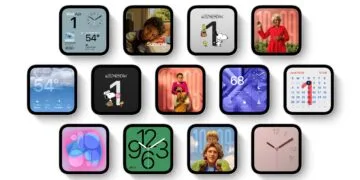
Home View sits on a square screen with sides of approximately 12.5 centimeters. This is suitable for photos, timers, calendars, and camera images, but not for videos. A 16:9 video only plays across about 12.5 centimeters wide, compared to about 19 centimeters on the Echo Show 8 and about 23.6 centimeters on the Echo Show 11.
The picture changes when it comes to sharpness. With 220 ppi, HomeView outperforms both Echo models, and the Echo Show 8, despite its larger diagonal screen, actually displays fewer pixels overall: around 1.07 million compared to around 1.18 million. Apple's screen also features True Tone and automatic brightness, ranging from 500 nits down to 0.3 nits at night.
Apple also has the edge when it comes to space requirements. At 14.55 centimeters wide, the HomeView fits on narrow shelves, while the Echo Show 11 needs around 26 centimeters. For wall mounting, there's a separate HomeView model weighing just 286 grams. Amazon offers an adjustable stand as an accessory for the Echo Show.
Siri AI vs. Alexa+
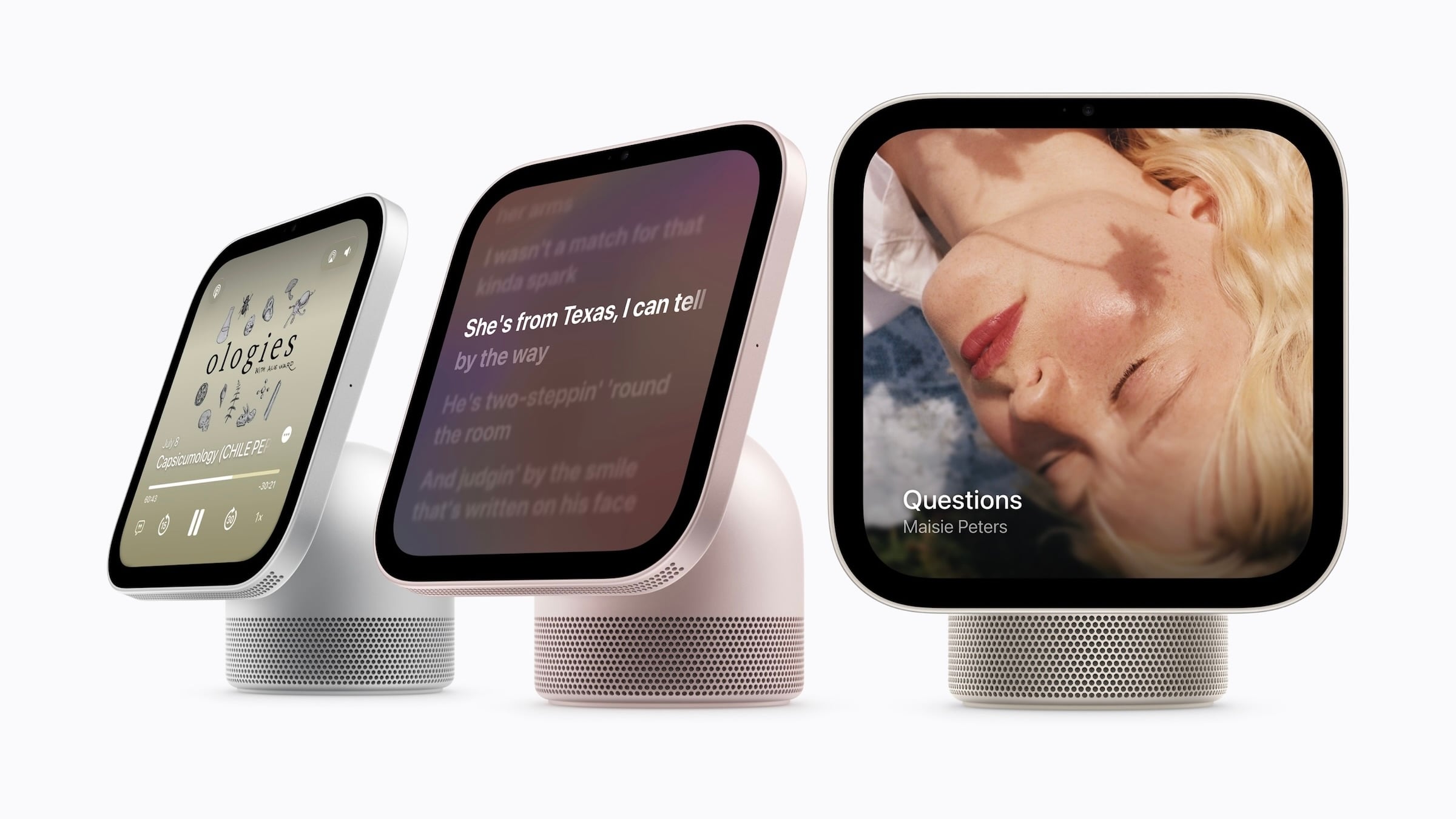
This is where the decision for Germany and Austria is made. For Apple , Siri AI is the core of the device, but it runs as a beta version on HomeView, and German is not among the supported languages.
Alexa+ has been available in Early Access in Germany and Austria since May 7th, and is available in German. Newly purchased Echo Show 8 and 11 devices include access; a German-based Amazon account and the language setting "German (Germany)" are required. The assistant is included at no extra cost with Prime membership; without Prime, Amazon is charging €22.99 per month after Early Access. Therefore, the subscription should be factored into the cost, as the assistant would be expensive without Prime.
Siri AI uses a different mechanism. Personal requests are processed via a paired iPhone or iPad with Apple Intelligence, meaning through emails, appointments, and messages already stored there. According to Apple, server-based functions are subject to daily limitations, and expanded access will become a paid service in the future.
Smart Home: two systems, one common denominator
HomeView works with HomeKit and Matter accessories and controls them via the built-in Home app, including scenes and automations. Up to nine camera images can be displayed simultaneously, and the device also detects smoke and CO detectors by sound. Users who have already set up the Apple Home ecosystem will find everything there.
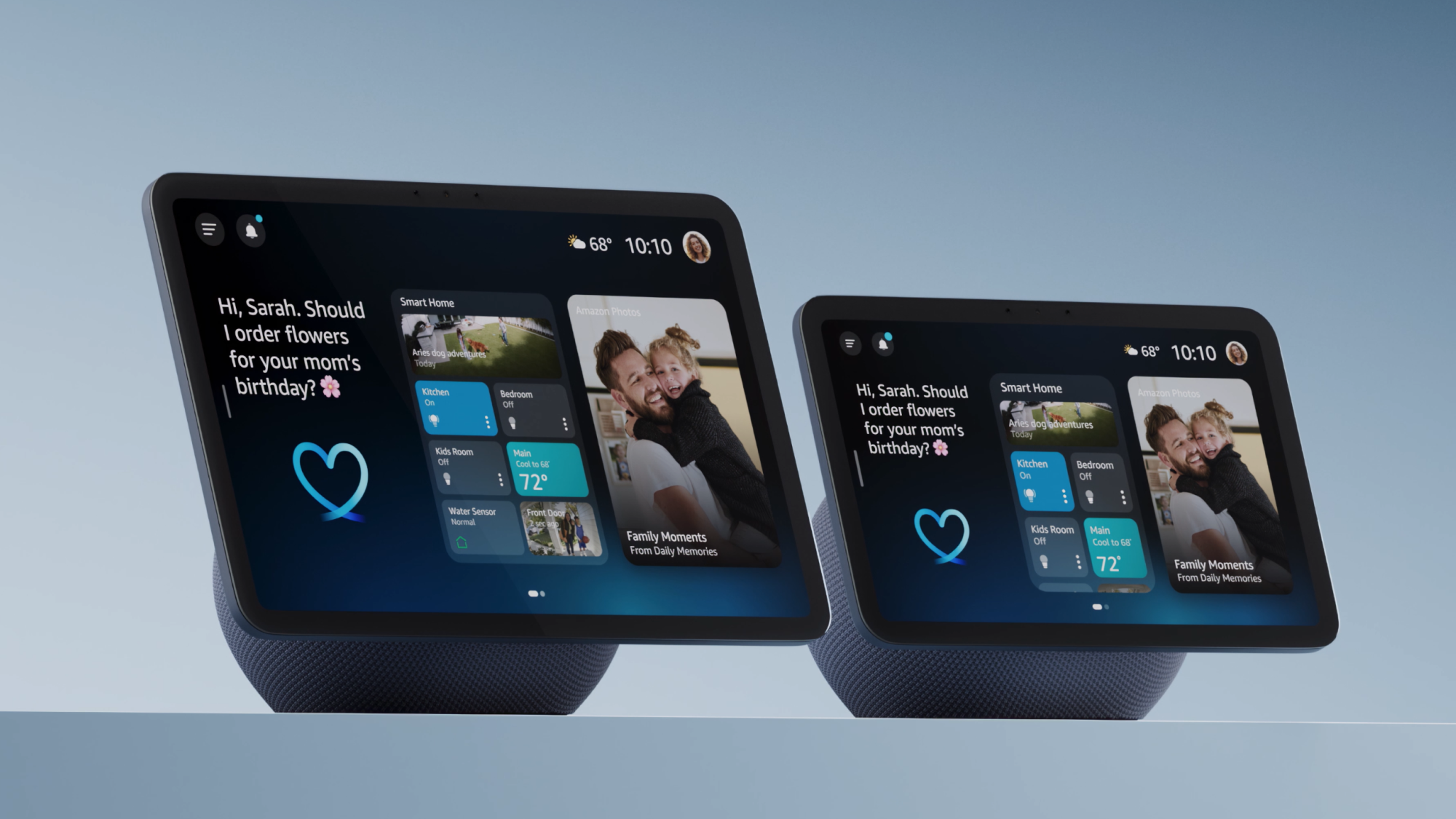
The Echo Show uses Zigbee, a wireless protocol that HomeView lacks. It also includes Matter and a Thread Border Router, allowing many lights and sensors to be connected without a separate bridge. Amazon's OmniSense technology detects presence, temperature, and visual identification.
Across all manufacturers, Matter is the common path between both systems. Purely HomeKit-compatible accessories, however, remain in the Home app, and Alexa routines do not migrate to Apple. Switching or running both systems in parallel therefore costs more than just the price of the device.
Video, music and calls
Prime Video and Netflix run as apps on the Echo Show, while other services can be accessed via a browser. The screen handles this without needing a smartphone. However, it doesn't offer a full selection of apps like a television.
HomeView includes Apple Music and Apple Podcasts. Apple TV and compatible third-party audio and video apps are accessed via a paired iPhone; there is no dedicated app store on the device itself. However, music continues to play from the iPhone via Handoff, and multi-room audio via AirPlay is built-in.
For sound, Apple's desktop model uses two drivers integrated into the display, a downward-firing woofer, and two passive radiators, along with 3D audio via Dolby Atmos for compatible content. Amazon combines two full-range drivers with a 2.8-inch woofer and also advertises 3D audio.
For calls, it's clear: FaceTime is only available on Home View, which includes Center Stage and four microphones. The Echo Show relies on Alexa Calls and Drop In. Apple Music, on the other hand, also works on the Echo Show; the service can be integrated with an existing subscription.
Data protection and setup
The two manufacturers take different approaches to data privacy. Apple processes facial and voice recognition in the A18's Secure Exclaves, which, according to Apple, neither the operating system nor the company can access. Amazon relies on a button that disables the microphones and camera. No comparable button appears in Apple's data sheet.
The setup draws a strict line. HomeView requires an iPhone with iOS 27.2 or an iPad with iPadOS 27.2. The Echo Show doesn't require an Apple device; the Alexa app is also available for Android. In mixed households, Amazon's device is therefore the more open option. HomeView can recognize up to six people by their faces and assign each their own home screen.
Why the Echo Show wins in this country, but not for everyone
I don't see this comparison as a draw. In Germany and Austria, the Echo Show wins because it's available for purchase and speaks German. Apple doesn't sell HomeView in the EU, and Switzerland isn't on the launch list either. Even after its launch, Siri AI still lacks German as of today.
For Apple households, the Echo Show isn't a sure thing. If your home uses the Home app, you're essentially bringing a second system into your home, without FaceTime and without access to your iPhone data. The decision then hinges on how essential the display truly is.
I recommend the Echo Show 11 to anyone who wants to view videos and recipes on a large screen, and the Echo Show 8 for the kitchen or a desk with limited space. The smaller Echo Show 5 is suitable for a bedside table or hallway. Those who want to wait for Home View can do so without a specific date. I would only do this if FaceTime and the Home app are more important than having a voice assistant in German.
Is an Echo Show sufficient for you as a temporary solution, or is your Home app preventing you from setting up a second system? Let us know in the comments what's the deciding factor in your home.
Frequently Asked Questions: Apple Home View vs. Echo Show
No. Apple is not selling Home View in the EU because Siri AI is not yet available on iOS there. Switzerland is also not on the list of the eight launch countries. Apple has not announced a release date for the EU.
In the US, HomeView costs $299; there is no Euro price. The Echo Show 8 costs €219.99 on Amazon, and the Echo Show 11 costs €269.99.
No. HomeView has a square 7-inch display, the Echo Show 8 measures 8.7 inches, and the Echo Show 11 10.95 inches. However, HomeView has the highest pixel density at 220 ppi.
Across all manufacturers, Matter is the common path between Apple Home and Alexa. Purely HomeKit accessories remain within the Home app. Therefore, an Echo Show does not completely replace the Home app.
No. FaceTime is only available on HomeView. The Echo Show relies on Alexa calls and Drop In.
German is not currently among the supported languages for Siri AI. Alexa+, on the other hand, runs in German in Germany and Austria, initially in early access.
No. The Echo Show doesn't require an Apple device; the Alexa app is also available for Android. Home View, on the other hand, requires an iPhone with iOS 27.2 or later, or an iPad with iPadOS 27.2 or later.