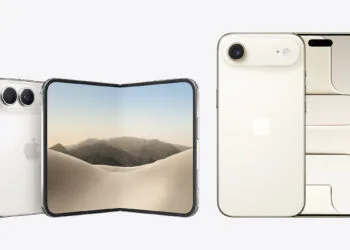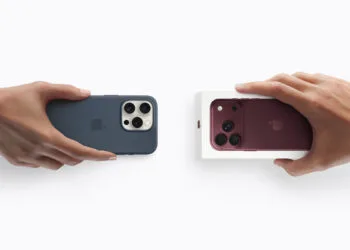
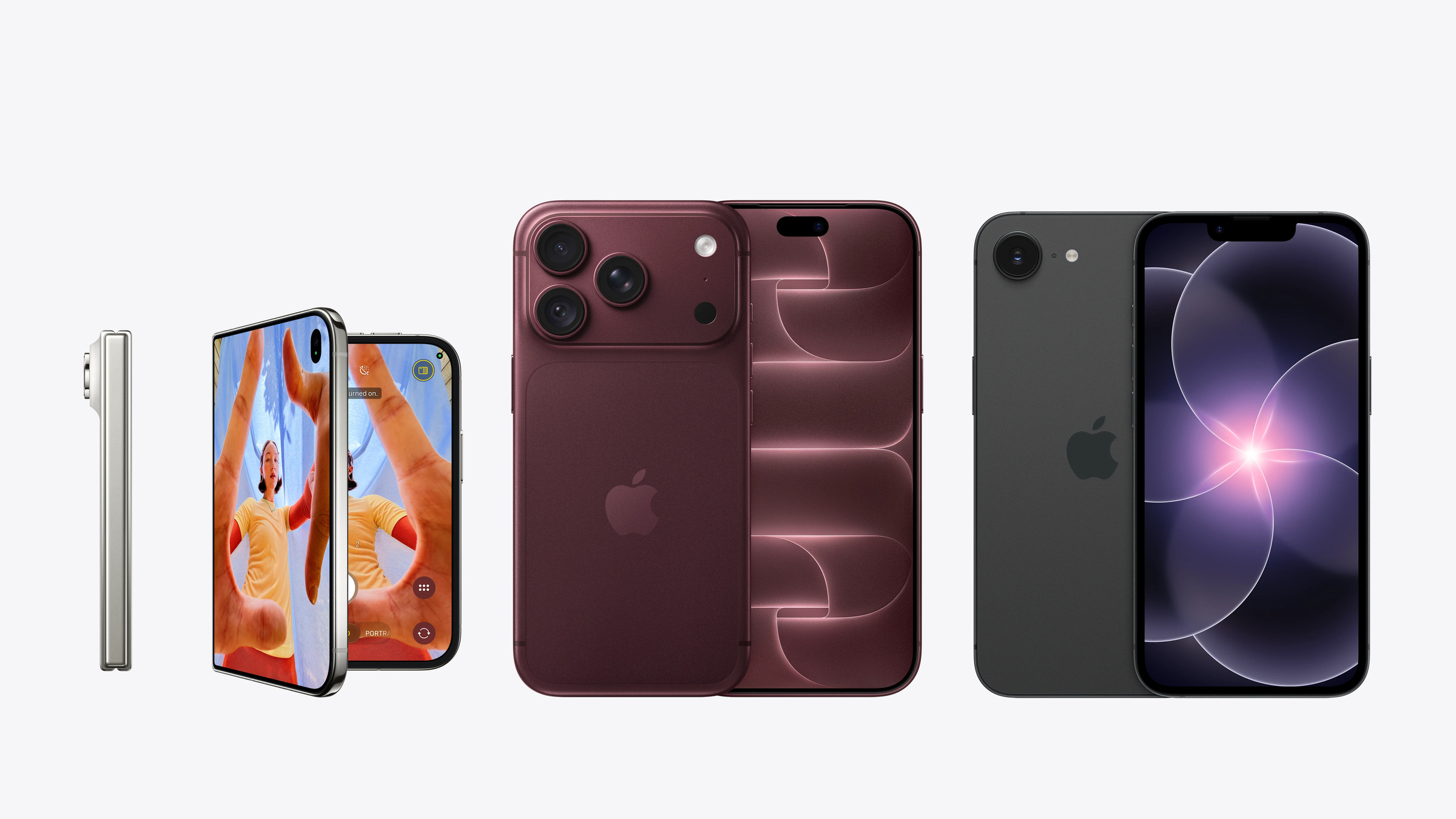
Apple currently sells seven iPhone models, ranging from the iPhone 17e for €849 to the foldable iPhone Duo for €2,299. Between these two extremes are five other devices whose differences aren't immediately apparent from the price – some expensive models forgo features found in cheaper versions. This buying guide doesn't order the iPhones by price, but rather by their intended use.
Since the keynote on September 9th, the product range has been broader than ever: iPhone 17e, iPhone 16, iPhone 17, iPhone Air, iPhone 18 Pro, iPhone 18 Pro Max, and the foldable iPhone Duo. On the same day, Apple raised the prices of existing models, further shifting the price gaps within the series.
All values in this text are taken from Apple's comparison of current iPhone models and the German prices in the Apple Store. Detailed information on individual pairings can be found in our two-way comparisons, which are linked where relevant.
Key Facts at a Glance
- Seven models, starting prices from 849 to 2,299 euros – the difference between the two ends is 1,450 euros.
- The iPhone 16 costs €150 more than the iPhone 17e, but it's a generation older. It's the only price point that stands out.
- Only the iPhone Duo and iPhone Air work exclusively with eSIM. The other five still have a card slot.
- The iPhone Air costs €1,299 and has a single rear camera. The iPhone 16, at €999, has two.
- In the EU energy label, only the iPhone 16 has class B; all six other models are in class A.
The seven models at a glance
| Model | Price from | Display | Chip | Rear cameras | Video playback | Weight |
|---|---|---|---|---|---|---|
| iPhone 17e | 849 € | 6.1″ | A19 | 1 | 26 hours. | 170 g |
| iPhone 16 | 999 € | 6.1″ | A18 | 2 | 22 hours | 170 g |
| iPhone 17 | 1.099 € | 6.3″ | A19 | 2 | 30 hours | 177 g |
| iPhone Air | 1.299 € | 6.5″ | A19 Pro | 1 | 27 hours. | 165 g |
| iPhone 18 Pro | 1.449 € | 6.3″ | A20 Pro | 3 | 34 hours. | 211 g |
| iPhone 18 Pro Max | 1.599 € | 6.9″ | A20 Pro | 3 | 43 hours. | 249 g |
| iPhone Duo | 2.299 € | 7.6″ and 5.4″ | A20 Pro | 2 | 44 hours outdoors, 31 hours indoors | 254 g |
The storage capacities vary considerably. The iPhone 16 is only available with 128 GB, the iPhone 17e and iPhone 17 with 256 and 512 GB respectively, and the Air additionally with 1 TB. The Duo and both Pro models go up to 2 TB.
When price is the deciding factor
There are two devices priced under 1,000 euros, and they are more difficult to compare than the difference of 150 euros would suggest.
The iPhone 17e, priced at €849, is the entry-level model and technically the newer device: A19 chip, Ceramic Shield 2 on the front, and 26 hours of video playback. However, it lacks more features than any other model in the series – no ProMotion refresh rate, no always-on display, no Dynamic Island, and no camera controls. Its display maintains a typical brightness of 800 nits and 1,200 nits in HDR mode; all six other models reach 1,000 and 1,600 nits, and 2,000 to 3,000 nits outdoors.
The iPhone 16, priced at €999, changes the equation in several ways. It has a second camera, Dynamic Island, a noticeably brighter display, and wireless charging at 25 watts instead of 15. On the other hand, it features the older A18 chip, the older Ceramic Shield (without any additional features), and, at 22 hours, the shortest video playback time in the entire series.
The age difference is most evident in the EU energy label: The iPhone 16 is the only model in class B and the only one with drop resistance class C. The other six are in A and B.
If it's supposed to be the device for everything
The iPhone 17 is the obvious choice if your budget allows for €1,099. It combines features found in the more affordable models: a 6.3-inch display with ProMotion and Always-On, two 48MP cameras including an ultra-wide lens, an 18MP front camera, and 30 hours of video playback.
This makes it the most well-balanced device in the series – and the only one below the Pro class where no single feature feels like a compromise. Just how far it actually falls short of the Pro class is demonstrated by a direct comparison with the iPhone 18 Pro.
If the camera is the reason for the purchase
There's no getting around the two Pro models here. They are the only ones with three rear cameras, a telephoto lens, and a variable aperture that cycles through four steps from ƒ/1.48 to ƒ/4.0. Their optical zoom range spans over 16 steps, while the other models offer only four or two.
In addition, it offers tools that are otherwise unavailable: professional controls for aperture, shutter speed, and white balance with histogram, ProRAW, ProRes, and ProRes RAW, Apple Log 2, and four studio-quality microphones. A LiDAR scanner is also only included in the Pro models.
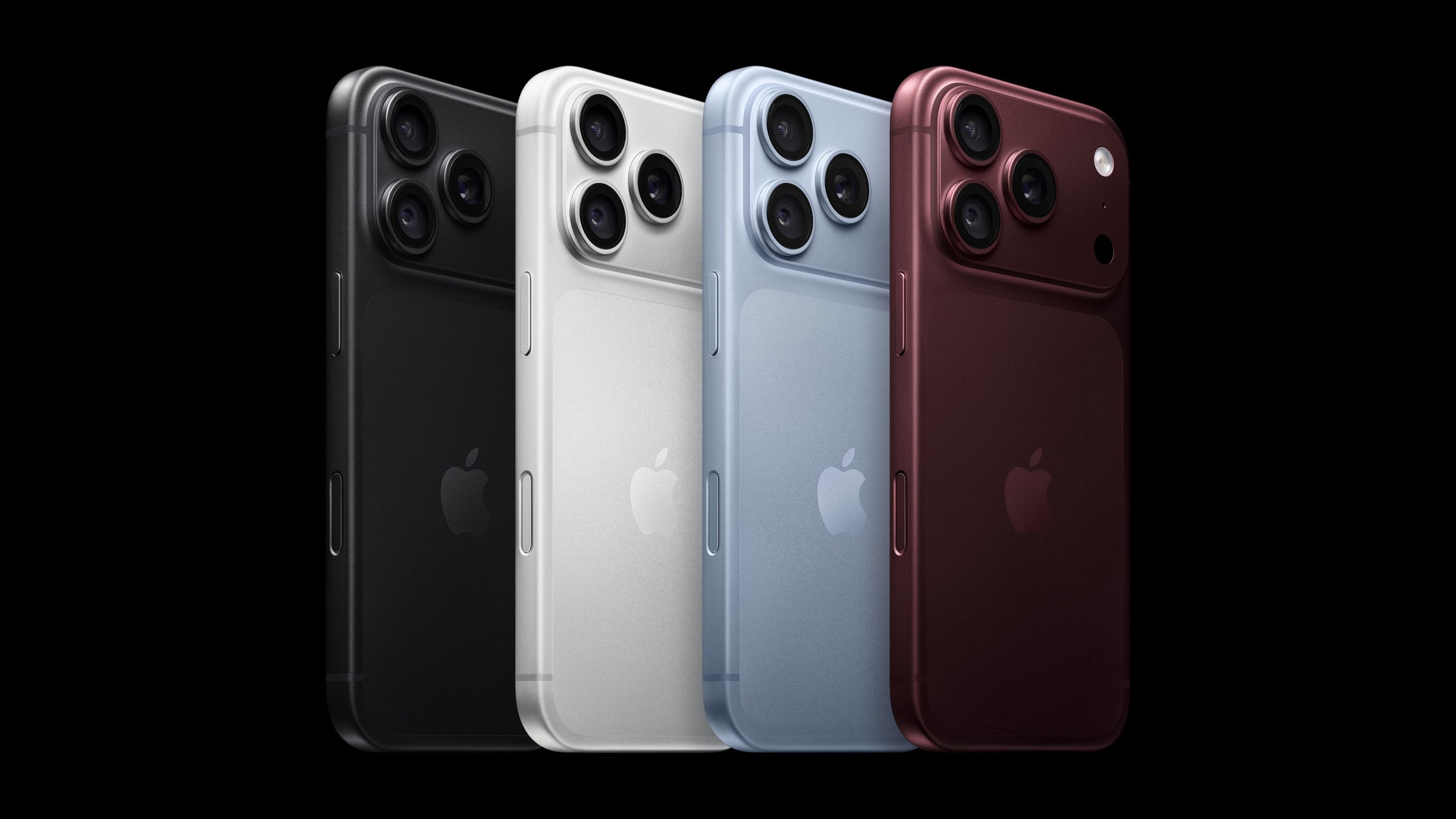
There's a €150 price difference between the 18 Pro and the 18 Pro Max for each storage tier. The main differences are the size – 6.3 inches versus 6.9 inches, 211 grams versus 249 grams – and the battery life of 34 hours versus 43 hours. As a detailed comparison shows, there are no other differences between the two.
If the device should be as inconspicuous as possible
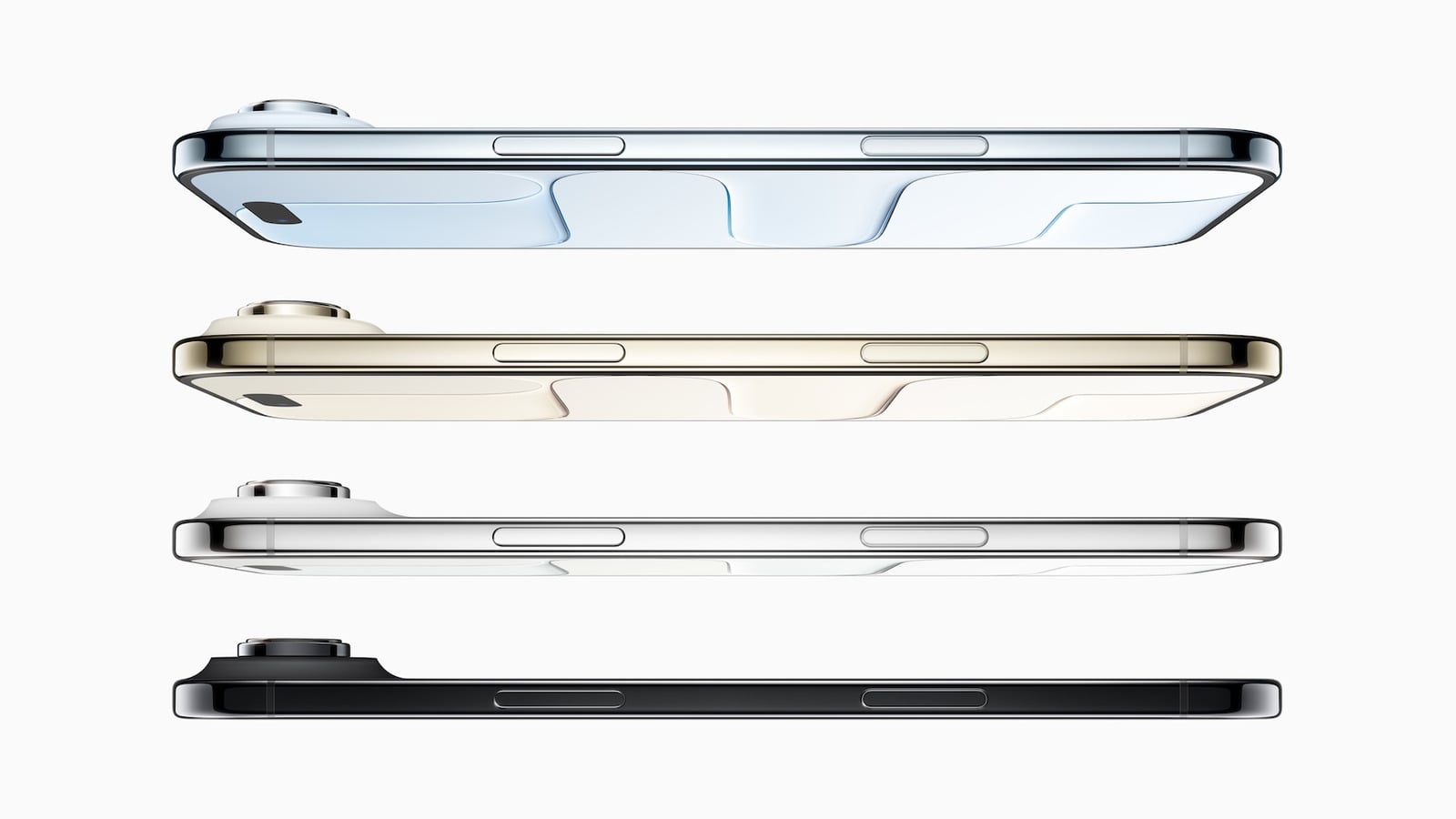
The iPhone Air, at 165 grams, is the lightest and, at 5.64 millimeters, the thinnest model in the lineup. It features the Pro-class 18 MP front camera, a titanium frame, and the A19 Pro chip.
The price is listed in the spec sheet: a single rear camera without an ultrawide lens, no macro photography, 27 hours of video playback, and a USB-C port that operates at USB 2 and 480 Mbps. At €1,299, this is a conscious decision to prioritize form factor over features.
If the screen is the real reason
Two ways lead to more screen space. The iPhone 18 Pro Max offers the largest traditional display at 6.9 inches and the longest battery life among non-folding models at 43 hours.
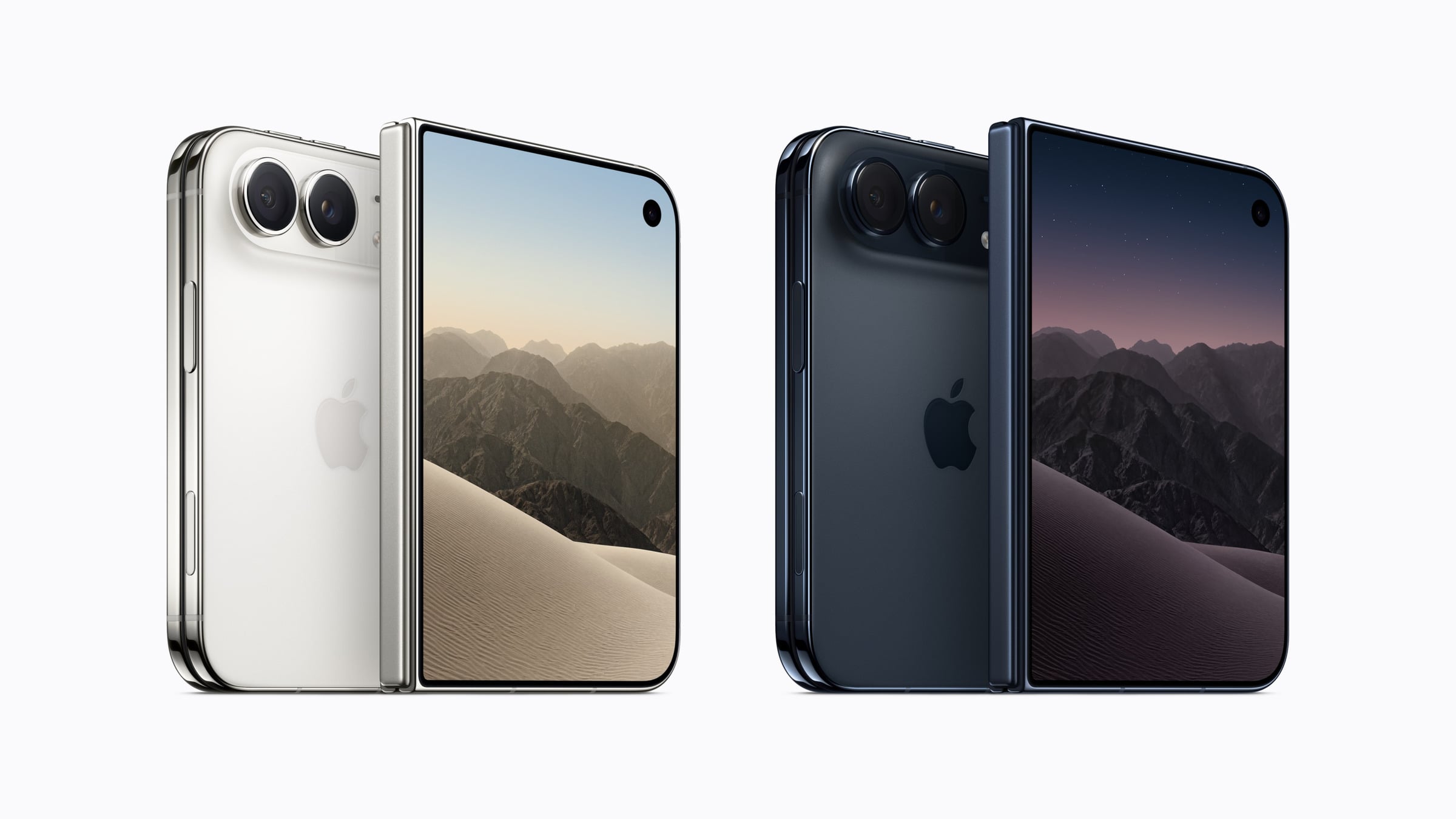
The iPhone Duo takes things a step further: 7.6 inches when unfolded, 5.4 inches on the outside, plus 44 hours of video playback on the outer display. However, it's the only current iPhone to forgo Face ID – unlocking is done via a fingerprint sensor in the side button – and the only one without an action button. If you're torn between the two, you can find a comparison of the iPhone Duo and iPhone 18 Pro; for comparisons against the slim, lightweight model, see the iPhone Duo vs. iPhone Air comparison.
The duo is the latest addition to the series: it launched in October, while the other six models have been available since September.
Three differences that run counter to price
The card slot. The iPhone Duo and iPhone Air work exclusively with eSIM and do not accept a physical SIM card. The iPhone 17e, 16, 17, 18 Pro, and 18 Pro Max, on the other hand, feature dual SIM functionality using a nano-SIM and an eSIM. Therefore, the most expensive and the lightest devices are also the two with the least choice of plans. Anyone switching from a device with a card slot must first activate their number as an eSIM.
Charging speed. Apple states that the Pro models can reach 50 percent in about 15 minutes, but this requires a 60-watt power adapter with adjustable voltage. The iPhone 17 achieves 50 percent in 20 minutes with a 40-watt adapter, while the Air, 17e, and 16 take 30 minutes and only require 20 watts. None of the seven devices come with a power adapter – therefore, choosing the right one is part of the buying decision.
The data port. Only the iPhone Duo, 18 Pro, and 18 Pro Max offer USB 3 with 10 Gbps. The other four remain at USB 2 with 480 Mbps, which is theoretically one-twentieth the speed. Those who regularly transfer large video files via cable will notice this immediately in everyday use.
The series doesn't have one model too many, but it does have one that's too old
Six of the seven devices have a clear purpose: entry-level, everyday use, lightweight design, camera, size, foldability. The iPhone 16 is the exception. It sits between the newer 17e and the iPhone 17, which is superior in every respect, costs more than one and less than the other, and only surpasses both in certain aspects.
It makes sense if a second camera is important but the budget is under €1,000 – for this tight budget, it's the right device. However, if battery life, display quality, or up-to-dateness are your priorities, you'll find a better choice €150 less or €100 more.
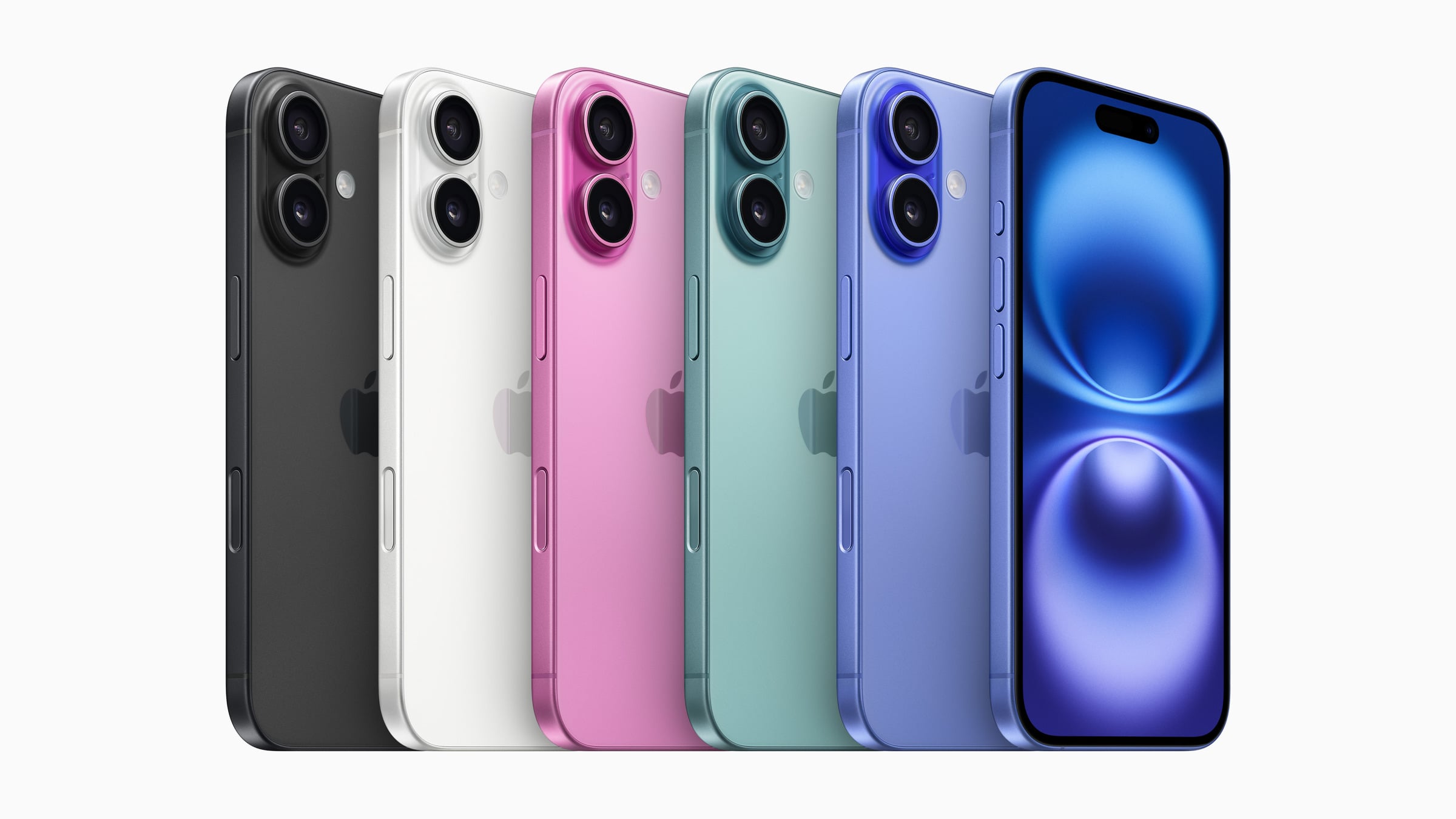
Our expectation: The iPhone 16 will be discontinued in the spring, when the iPhone 18 and iPhone 18e take its place. This isn't confirmed, however – Apple hasn't announced a release date for either device.
Ultimately, which model you choose depends on a single question: What do you use your iPhone for most often? If you primarily use it for photography, the Pro models offer technology that would go unused in everyday life. If you mainly use it for holding and reading, you'll get more value for your money with the iPhone 17 or the Duo.
Which of the seven models would you choose – and what feature is most important to you: the price, the camera, or the size? Let us know your choice in the comments.
Frequently Asked Questions: iPhone Buying Guide
The iPhone 17e costs €849 and comes with 256GB of storage. It's also the model with the most limitations: no ProMotion, no always-on display, no Dynamic Island, no camera controls, and only one rear camera. However, it does feature the latest A19 chip.
It depends on the camera. For €150 more, the iPhone 16 offers a second ultra-wide camera, Dynamic Island, a brighter display, and 25W wireless charging instead of 15W. However, it also features the older A18 chip and, at 22 hours, the shortest video playback time in the entire lineup.
Five out of seven: iPhone 17e, iPhone 16, iPhone 17, iPhone 18 Pro, and iPhone 18 Pro Max support dual SIM using nano-SIM and eSIM. Only iPhone Duo and iPhone Air work exclusively with eSIM.
The iPhone Duo offers up to 44 hours of video playback via its outer display. Among the non-folding models, the iPhone 18 Pro Max leads with 43 hours. The iPhone 16 has the shortest battery life at 22 hours.
If the camera is the deciding factor, then only the iPhone 18 Pro and Pro Max have three rear cameras, a telephoto lens, a variable aperture, and an optical zoom range of over 16 stops. They also feature ProRAW, ProRes, Apple Log 2, and a LiDAR scanner. Anyone who doesn't use any of these features is paying for technology that will go unused in everyday life.
No, not with any of the seven models. The box only contains a USB-C charging cable. The charging requirements also differ: The Pro models only reach 50 percent charge in about 15 minutes with a 60-watt power adapter, the iPhone 17 needs 40 watts and 20 minutes, and the others manage with 20 watts and 30 minutes.
The iPhone 18 Pro or Pro Max are the only options, primarily because of the port. Only these two models and the iPhone Duo offer USB 3 with 10 Gbps; the other four stick with USB 2 at 480 Mbps, which is theoretically one-twentieth the speed. For hours of footage, this difference significantly impacts transfer time.