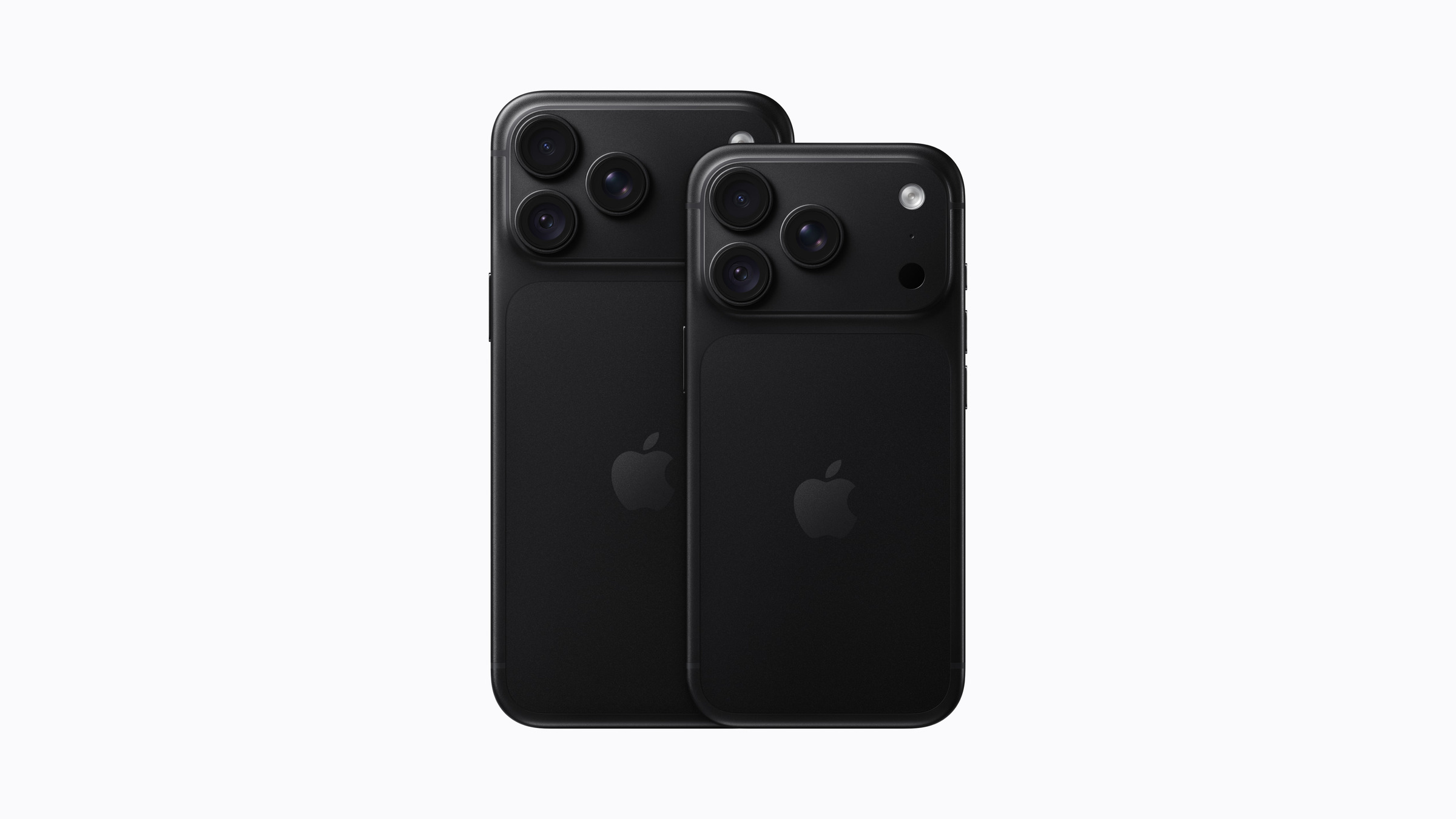
Apple has refined the technical specifications of the two Pro models, noting a difference that has never existed before: The iPhone 18 Pro Max uses a different cellular modem in the United States than in the rest of the world. This has a clear consequence for buyers in other countries.
Since the iPhone 16e, Apple has been gradually replacing its outsourced Qualcomm modems with its own designs. The C2 is the third generation of this series and is found in the new Pro models – we've explained why this component is so strategically important for Apple in a separate article about the C2 modem. The latest changes to the specifications now make it clear that the transition is not yet complete in one area.
Key Facts at a Glance
- Apple is introducing the C2 modem for the iPhone 18 Pro worldwide and for the Pro Max in all countries except the USA.
- The German datasheet page lists "Apple C2 mobile modem" for both models without restriction."
- Apple doesn't specify which component is used in the US Pro Max – clues from the iOS 27 code suggest a Qualcomm modem.
- The German models bear the numbers A3714 and A3717 and operate exclusively in the sub-6 GHz range.
- The sources used to justify this are contradictory.
What's in the German data sheets
On the German page with the technical specifications for the iPhone 18 Pro, Apple lists the same entry for both models under "Wireless Technologies": Apple C2 cellular modem, without a footnote or regional restrictions. The other wireless specifications are also identical – 5G in the sub-6 GHz range with 4x4 MIMO, Gigabit LTE, and the N1 chip with Wi-Fi 7 and Bluetooth 6.
The US version of the same page has had an addendum for a few days now, excluding the Pro Max. This was noticed by Nicolas Lellouche, who writes for the French tech magazine Numerama.
| Model | Germany | USA |
|---|---|---|
| iPhone 18 Pro | Apple C2 | Apple C2 |
| iPhone 18 Pro Max | Apple C2 | not named |
Apple itself hasn't revealed which component is used in the US model of the Pro Max. A developer who has been scouring the iOS 27 software packages for weeks has found evidence of a Qualcomm modem. This finding is in the shipped code and therefore more reliable than a supplier's claim, but it doesn't name a specific model. The circulating association with the Snapdragon X85 is speculation without evidence.
Why the larger model in particular?
The sources differ on this point, and this cannot currently be resolved.
One explanation revolves around mmWave, the particularly fast 5G variant with a very short range, which is being rolled out in US city centers. According to this interpretation, the C2 doesn't support mmWave well enough, which is why Apple continues to rely on outsourced components for the larger model. This is precisely what the documents that surfaced online at the end of June following an attack on Apple supplier Tata Electronics suggested, describing a region-specific modem deployment.
The other explanation contradicts this: According to this view, the C2 is the first Apple generation to support mmWave in the US – unlike the C1 and C1X. In that case, the reason wouldn't be technical, but contractual. Qualcomm announced a supply agreement with Apple in 2023 that runs until 2026; a single model in a single market would be the smallest possible way to fulfill it.
Both are plausible, but neither is confirmed. The shift compared to the summer is noteworthy: the leaked documents indicated Qualcomm would be supplying the processors for both Pro models in the US. Apple is now only excluding the Pro Max.
How much of that actually reaches this country
In short: nothing that represents a disadvantage. The German models exclusively use Apple's own modem, and the feature around which the entire distinction revolves simply doesn't exist here. mmWave doesn't appear in the band lists of the German datasheets – the networks in this country operate in the sub-6 GHz range, for which the C2 is designed.
In practical terms, this means that anyone buying their device here doesn't need to worry about the distinction. It's determined by the market, not by residence – a Pro Max bought in the USA remains a US model here, with the component installed there. Conversely, buying a device abroad won't grant you mmWave access if there's no network available for it.
The last remaining acquisitions become visible
Apple has rolled out the modem change from its entry-level models to its high-end devices in just over a year and a half. The fact that even the most expensive cellular-enabled iPhone still uses a third-party component – albeit only in one market – illustrates where the current limitations lie: not in everyday performance, but in a wireless technology that is hardly used by anyone worldwide.
Our expectation: The difference will disappear with the next generation. Since the C1, Apple has been moving each modem upgrade to the next product class, and a single model in a single market represents the last remaining opportunity for an upgrade. Which device is right for you regardless is explained in our iPhone buying guide.
Do you consider information like this to belong in the data sheet – or a detail that has no impact on everyday life and therefore tends to cause uncertainty? Let us know in the comments how you interpret such information.