This article may contain affiliate links. Learn more on our Partner Program page.
Two weeks ago, Judge Edward Davila postponed part of Apple's requests because a key term was too vague. Now, both sides have agreed on a narrower definition, and Apple will receive significantly more: access to information about a former employee's use of AI, details of deleted data, and information about batteries and metal surfaces. The court, however, has set a limit.
In July, Apple sued OpenAI over the development of AI hardware. The defendants are former Apple employees Chang Liu and Tang Yew Tan, the OpenAI Foundation, the OpenAI Group, and its hardware subsidiary io Products. Apple accuses them of using confidential information about Apple products to advance OpenAI's own hardware.
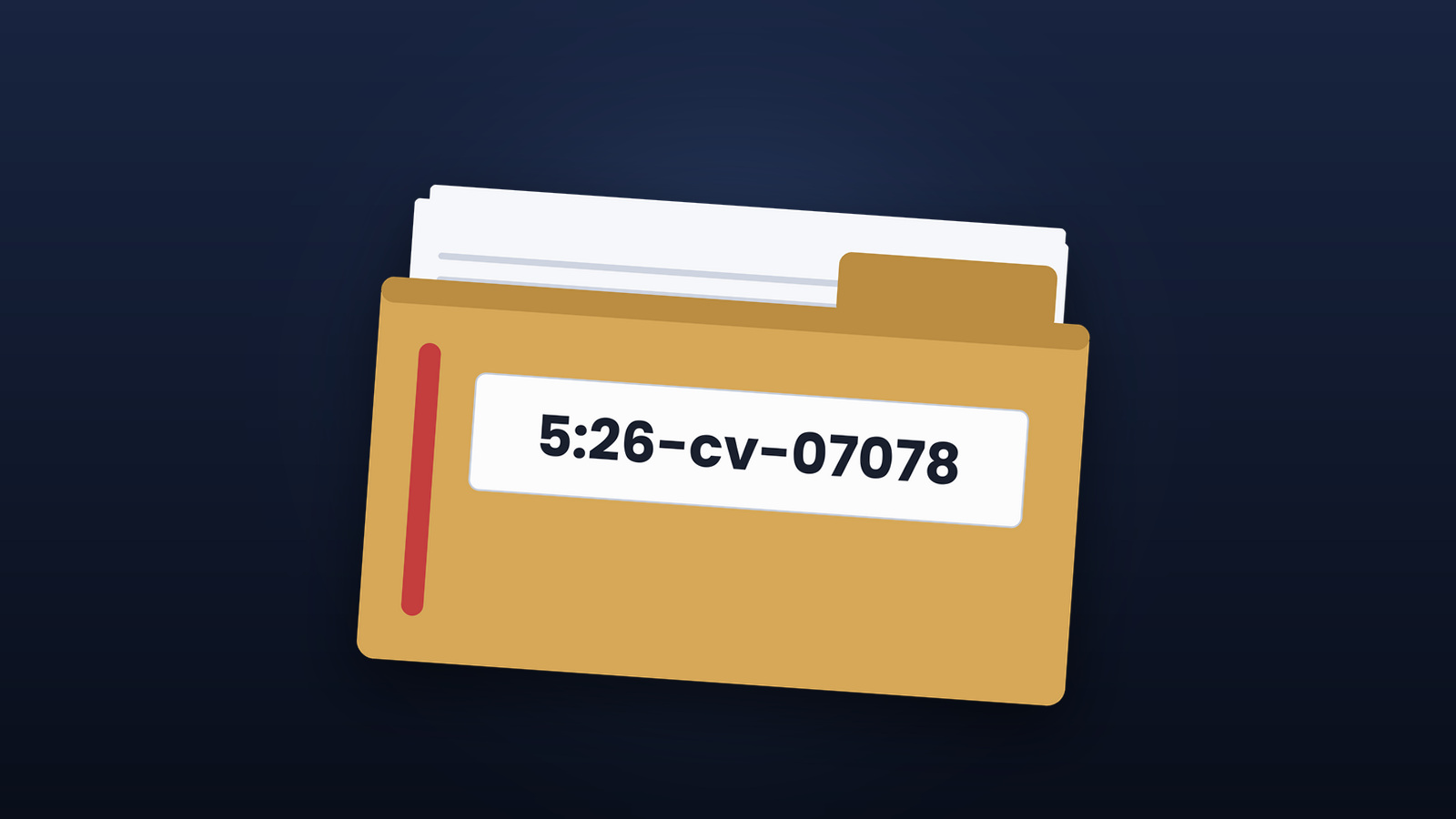
On October 13, the Federal District Court for the Northern District of California had already granted Apple permission for expedited partial evidentiary hearings . At that time, everything based on the term "Apple Originated Information" remained open. Davila has now ruled on this matter in his decision in case 5:26-cv-07078 (Document 197) dated October 27.
Key Facts at a Glance
- The defendants must disclose how Chang Liu has used ChatGPT, Claude, Codex, OpenClaw and other AI tools since January 23, 2026.
- Liu and Tan must name all devices, accounts and messaging services through which Apple information was processed, and explain what was deleted, when and by whom.
- OpenAI and io Products must have representatives testify regarding work with Apple information about batteries, power management, and metal surfaces.
- Davila declined to answer questions about OpenAI's own devices, accounts, and internal audits, stating that these belong in the regular evidentiary hearing.
What the term now encompasses
Davila had rejected "Apple Originated Information" on October 13 as too vague. The parties subsequently submitted a joint version, which the court adopted with amendments. It consists of three parts.
The information included is, firstly, non-public Apple information concerning trade secrets that Apple has identified in a preliminary list. Secondly, non-public information relating to the development of consumer hardware, metal surfaces, battery development and manufacturing, and components. Thirdly, all other information that Apple has marked as confidential. In each case, the prerequisite is that an Apple employee created, modified, or learned of the information.
What Apple also gets
The single most significant issue concerns Liu's use of AI tools. The defendants must hand over all records relating to this use, starting on January 23, 2026. This includes Liu's private experiments as well as any use in connection with Apple information, specifically on his Mac mini, in his private accounts, and on his company devices and accounts.
In addition, Liu and Tan each received two sets of questions. Both must list all accounts, devices, storage locations, and apps through which they accessed, stored, or shared Apple information. The ruling specifically names LINE, Signal, Telegram, and Kik. For Liu, the period extends back to January 22, 2026, and for Tan, to February 2, 2024.
Where Apple data is no longer available, the court demands detailed information. Liu and Tan must describe what information was on the respective device or account, for how long, and how it got there. They must also provide details about the circumstances of the deletion: when it occurred, who was involved, and why.
| Deadline | What is due |
|---|---|
| November 1, 2026 | Material already collected on Liu's use of AI (five days) |
| November 10, 2026 | Remaining documents and answers to the questionnaires to Liu and Tan (14 days) |
Surveys on batteries, energy management and metal surfaces
In addition to the documents, Davila has authorized three further topics for the questioning of company representatives at OpenAI and io Products. He had already approved a first topic on October 13. The new topics concern Liu, Tan, Yu-Ting „Alyssa“ Peng, and a fourth person whose name is redacted in the ruling.
Questions may be asked about any work these four individuals did at OpenAI that involved Apple information on power management, battery control, and metal surfaces. A second topic concerns OpenAI's job interviews with these individuals, including whether Apple information was requested or discussed during those interviews. The third topic concerns the steps OpenAI took, or failed to take, to prevent unauthorized use.
Davila rejected two other proposed topics. He argued they were too broad at this stage and belonged in the regular evidentiary hearing.
What the court rejects
OpenAI itself is not required to answer the three sets of questions that Apple had addressed directly to the company. These questions targeted all devices and accounts held by OpenAI containing Apple information, OpenAI's internal audits including its response to Apple's letter of February 23 prior to filing the lawsuit, and any potential data deletions. Davila also refers these questions to the regular evidentiary hearing, the expedited conduct of which neither side objects to.
Davila also decided on the upper limit. The quick question sets will count towards the 25 questions per party stipulated by the Code of Civil Procedure. Davila will review requests for more questions as needed, as he did previously with witness examinations.
| Area | Decision of October 13 | Decision of October 27 |
|---|---|---|
| Forensic images, application documents, LINE chats between Liu and Peng | Approved | – |
| OpenAI's own research on metal surfaces, energy and batteries | Rejected | – |
| Liu's use of AI tools | Postponed | Approved |
| Devices, accounts and deletions at Liu and Tan | Postponed | Approved |
| Survey on working with Apple information about battery, energy, surfaces | Postponed | Approved |
| Devices, accounts, and internal audits at OpenAI itself | Postponed | Rejected |
The border runs along the Apple information
I interpret these two decisions as a consistent pattern. On October 13th, OpenAI's own research on casing surfaces, power supplies, and batteries remained confidential. Now, Apple is allowed to inquire about precisely these three areas, but only to the extent that Apple information was involved. Anything developed independently by OpenAI remains excluded.
For Apple, the ruling is nevertheless a clear victory. The obligation to disclose deleted data and the disclosure of Liu's AI usage address the question of whether and how information from Apple reached OpenAI. At the preliminary injunction hearing on October 14, Davila indicated a clear inclination, and OpenAI agreed not to use the claimed trade secrets. However, this ruling does not yet finalize the injunction.
Do you think it's right that Apple has access to Liu's AI chats and deleted data, while OpenAI's own devices and internal audits remain closed for now? Let us know in the comments where you would draw the line.