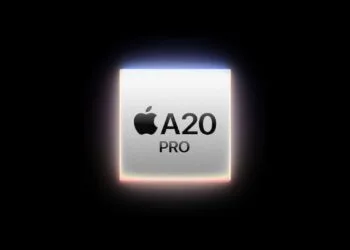
A20 Pro vs. A19 Pro: How much faster is the new iPhone chip?
A20 Pro vs. A19 Pro in a benchmark comparison: Main processor, graphics, AI and sustained load – and why the iPhone 18 Pro Max...

Apple silicon is the umbrella term for Apple's own ARM-based chip families that today power virtually every device coming out of Cupertino. The iPhone and more affordable MacBooks use A chips, the Mac, iPad Pro and Vision Pro rely on the powerful M chips with Pro, Max and Ultra variants, the Apple Watch runs on compact S chips, AirPods on specialized H chips, and Vision Pro additionally uses the R chip for sensor processing. With the Mac's transition from Intel to Apple silicon starting in 2020, Apple aligned its entire hardware strategy around a unified, energy-efficient architecture – with high performance per watt, an integrated Neural Engine for AI calculations, and unified memory between CPU and GPU.
The Apple silicon reporting on apfelpatient.de runs under this tag: background on every new M, A, S, H and R generation, benchmark comparisons between generations, detailed reports on architecture and TSMC manufacturing, reporting on supply chains and new US manufacturing initiatives, context on the Pro, Max and Ultra differentiation, comparisons with Qualcomm, AMD, Intel and Nvidia, and all rumors and reports about upcoming chip generations and their role in future iPhones, iPads, Macs and headsets.
Anyone wanting to understand Apple's chip strategy from the technical side, place performance jumps between generations in context or follow the long-term hardware roadmap has their technical control room right here.
A20 Pro vs. A19 Pro in a benchmark comparison: Main processor, graphics, AI and sustained load – and why the iPhone 18 Pro Max...
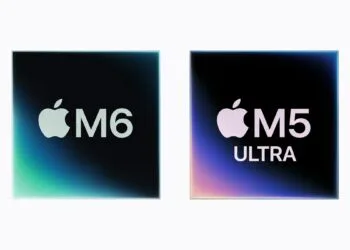
First Geekbench graphics results: M5 Ultra takes the lead, M6 gains 34 percent. Why the Ultra jump is smaller than expected...
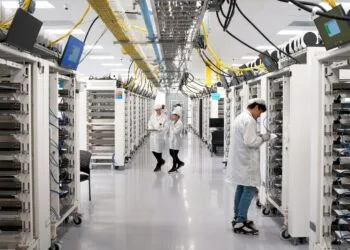
Apple is reportedly considering an AI server with M8 chips for businesses. Nvidia could supply the connectivity technology; a possible launch is in 2029.
First Geekbench entry for the M6: around 12 percent more single-core and 27 percent more multi-core performance than the M5.
Apple allows developers to remove Intel support from Mac apps. Affected computers will then no longer receive app updates.
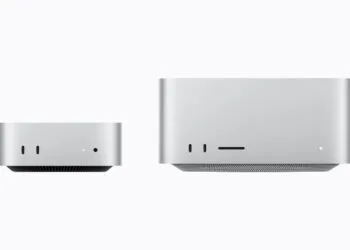
It was not the autumn launch date, but rather the demand from companies for AI hardware that determined the early launch of Mac mini and Mac Studio.
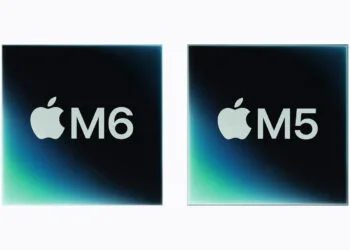
The M6 features three CPU core types and a dual Neural Engine – but the higher memory bandwidth is not included in the base configuration.
Mac mini or Mac Studio? The comparison shows where the line lies: in RAM, displays, ports and power consumption.

How many external displays your Mac supports: all limits from M1 to M6 plus MacBook Neo, including the most important pitfalls.
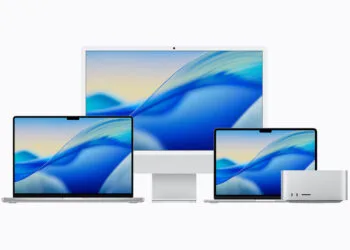
How much RAM your Apple Silicon Mac really needs: from the 16 GB base to 512 GB in the Mac Studio, including Apple Intelligence.
You are currently viewing a placeholder content from Facebook. To access the actual content, click the button below. Please note that doing so will share data with third-party providers.
More InformationYou are currently viewing a placeholder content from Instagram. To access the actual content, click the button below. Please note that doing so will share data with third-party providers.
More InformationYou are currently viewing a placeholder content from reCAPTCHA. To access the actual content, click the button below. Please note that doing so will share data with third-party providers.
More InformationYou are currently viewing a placeholder content from X. To access the actual content, click the button below. Please note that doing so will share data with third-party providers.
More Information