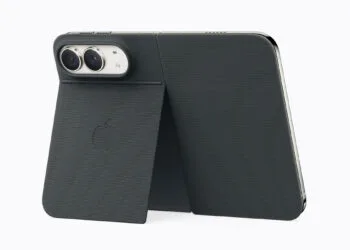
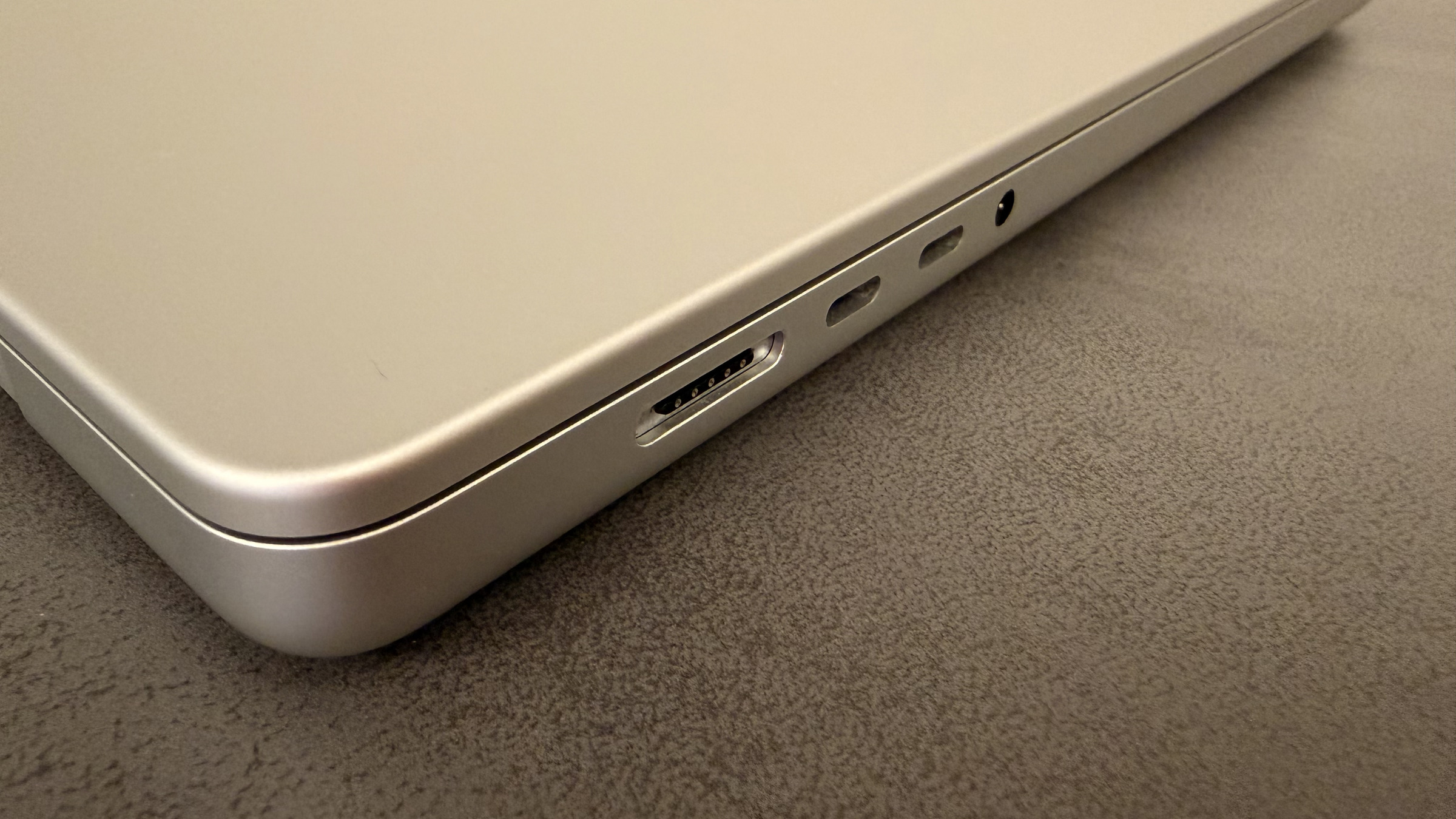
Apple's completely redesigned notebook with an OLED display and touchscreen is apparently further along than expected. Test devices in Cupertino are running a system version that isn't even slated for release until the end of October. This pushes back a date that had been pushed back into next year for months.
Since spring, the switch of the large MacBook Pro to an OLED panel with touch functionality has been considered a done deal; only the timing was disputed. A new report by Mark Gurman now provides a technical indication rather than an estimate: The 14- and 16-inch models are being tested in-house with macOS 27.1, the first point update of the current Mac generation. How this report fits into the existing information can be seen in the collection of all reports on the MacBook Ultra.
Key Facts at a Glance
- The 14- and 16-inch models with OLED touchscreens are being tested internally with macOS 27.1.
- According to the report, macOS 27.1 is expected to be released at the end of October, with the first developer version available in the coming days.
- Gurman now lists the notebooks among the devices for this year – in April he had pushed them back to early 2027.
- The features include the M5 Pro and M5 Max, a thinner case, and a Dynamic Island instead of a notch.
- There is no official product name.
A system as a dating aid
The finding comes from a Bloomberg report listing Apple's products for late this year and early 2027. Gurman has a high success rate with Apple's product plans over the years, but in this case, he relies on internal company processes for which there is neither documentation nor supplier information. He has already revised his own release date for the same device once before, back in April.
The testing of macOS 27.1 is interesting because it provides a framework that a simple timeframe doesn't. New Macs are released with the system version that's current at launch. If the testing is running on 27.1 and 27.1 is scheduled for completion by the end of October, the earliest possible market launch falls within this timeframe. The release date for the 27.1 series is already tight: The iPhone Duo will ship with iOS 27.1 on October 23rd.
The schedule is regressing
The date has changed several times this year, in both directions.
| Time | Status |
|---|---|
| until April | Market launch between the end of 2026 and the beginning of 2027 |
| April 2026 | Moved to the end of this window due to the scarcity of RAM and flash memory. |
| June 2026 | M5 Pro and M5 Max instead of the expected M6 generation |
| July 2026 | Samsung as the sole supplier of the OLED panels, with early 2027 considered more likely. |
| September 2026 | Testing with macOS 27.1, assignment to this year's devices |
The reason given for the postponement in the spring was explicitly not a software issue, but rather the situation on the memory market. The fact that the notebooks are now being listed again this year is therefore less a statement about the state of development than about the availability of components.
Where the name comes from
There is no official name. The "MacBook Ultra" line originates from a report about a new premium tier positioned above the MacBook Pro. The same report referred to the foldable iPhone as the iPhone Ultra – Apple introduced the device on September 9th as the iPhone Duo. Therefore, the name from this source is only partially accurate, while the form factor is consistently described in several reports as a separate, higher-end model alongside the regular MacBook Pro.
Why the window is narrowing by the end of the year
Theoretically, there are roughly two months left after the release of macOS 27.1. Apple has already updated the Mac twice this year via announcement rather than a live presentation, most recently the Mac mini and Mac Studio – whereas a notebook with its first touchscreen and new enclosure is a device Apple typically showcases. This very discrepancy makes the release date unpredictable: the hardware could be ready without the sales launch occurring this year.
Anyone currently looking to buy a large MacBook Pro faces a different calculation than they did in the summer. Upgrading is more worthwhile if you have a specific need than if you're hoping to see the new model before Christmas – especially since the storage shortage has already driven up prices across the entire Mac line. However, if you're undecided between the two current sizes, you can find the differences in the 14-inch vs. 16-inch comparison.
Would a touchscreen be a deciding factor for you when buying a Mac – or do Dynamic Island, a thinner chassis, and OLED display matter more than finger input? Let us know in the comments which of the three points would be the deciding factor for you.