Thirteen months after filing the lawsuit, Apple has withdrawn from Elon Musk's antitrust case. The withdrawal is final and without explanation – the same lawsuit against OpenAI continues unchanged. And the remaining defendant now wants to know what the two sides have agreed upon.
In August 2025, X Corp and the chatbot provider xAI jointly sued Apple and OpenAI in a Texas federal court. Their claim: ChatGPT's tight integration with Apple's systems gave OpenAI an advantage that competitors like Grok couldn't overcome. The ChatGPT manual, in conjunction with Apple Intelligence, illustrates how this integration works on the device. On Monday, the plaintiffs concluded the Apple portion of the case.
Key Facts at a Glance
- X Corp and SpaceXAI have requested that their claims against Apple be dropped.
- The retraction sets a precedent – the same allegations cannot be made against Apple again.
- Apple does not oppose the request.
- Reasons, conditions, or a comparison are not mentioned in the written submission.
- All claims against the three OpenAI companies remain valid.
What the application says
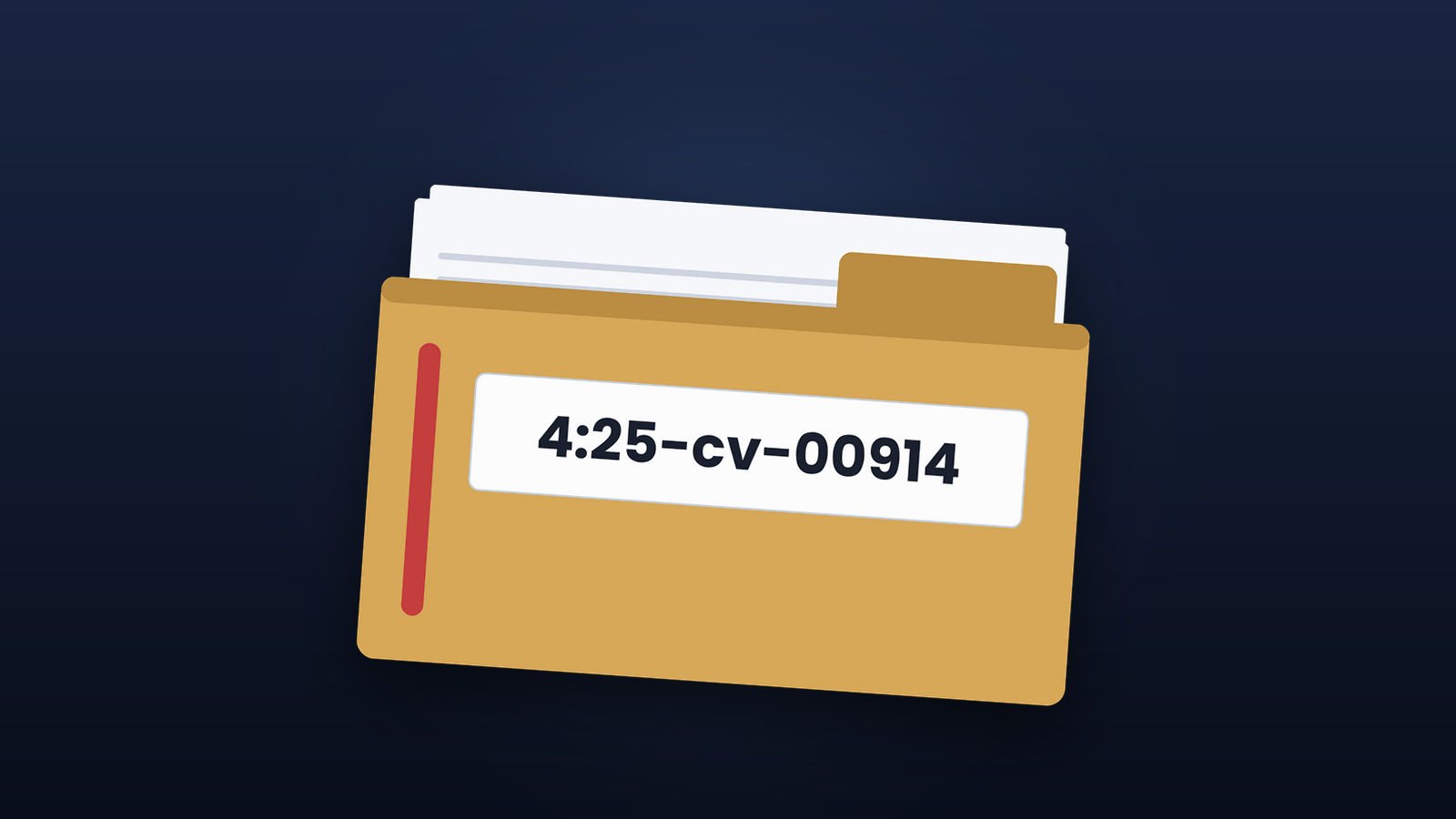
The Reuters report on case 4:25-cv-00914 in the U.S. District Court for the Northern District of Texas is based on the filing dated September 14. In it, the plaintiffs state that their claims against Apple have been settled and request dismissal with prejudice. Claims against OpenAI Foundation, OpenAI LLC, and OpenAI OpCo are expressly excluded.
Unlike a rumor, this is a document with a date and file number; this confirms the withdrawal itself. Everything else remains unsubstantiated: whether money changed hands, whether an agreement was reached regarding Grok in the App Store, or whether the prospects for success were simply reassessed – none of this is stated in the document.
OpenAI demands access to the agreement
The reaction of the remaining defendant is noteworthy. According to Reuters, OpenAI stated in its own submission on the same day that it was not a party to any agreement and did not know its contents – and demanded access to it because it could affect the remaining claims.
This is procedurally logical: Whoever remains as the sole defendant is, in case of doubt, liable for the entire claimed damage. An agreement between the plaintiff and the co-defendant thus shifts the initial situation without a single allegation having been examined.
Thirteen months procedure
| Time | Step |
|---|---|
| August 2025 | Lawsuit filed against Apple and OpenAI, demanding billions in damages. |
| November 2025 | The motions to dismiss by both defendants were rejected; the proceedings will proceed to the taking of evidence. |
| February 2026 | SpaceX acquires xAI, the plaintiff becomes SpaceXAI |
| June 2026 | Musk must hand over emails from Tesla and SpaceX accounts |
| September 2026 | Withdrawal against Apple sets a precedent; proceedings against OpenAI continue. |
The taking of evidence was the final part in which the plaintiffs lost ground. The order to release internal communications was directed against Musk himself, not against Apple.
What Apple is spared by the withdrawal
For Apple, this brings to an end a legal process that reached all the way to the top management and would have involved internal documents relating to its AI strategy. The timing coincides with a shift in direction that the company itself is implementing: its assistant is increasingly being opened up to multiple providers, instead of remaining tied to a single partner. Any accusation based on exclusivity is therefore losing its substance over time.
For users in Germany, Austria, and Switzerland, the outcome changes nothing: ChatGPT integration remains a feature that must be actively enabled, and Grok remains one app among many in the store. The matter will only become practically relevant again if the agreement actually contains commitments regarding the handling of individual apps – and that is precisely what OpenAI now wants to see disclosed.
Do you see this withdrawal as a quiet concession by Apple, or simply an admission that the allegations didn't hold up in court? Feel free to disagree in the comments.