
This article may contain affiliate links. Learn more on our Partner Program page.
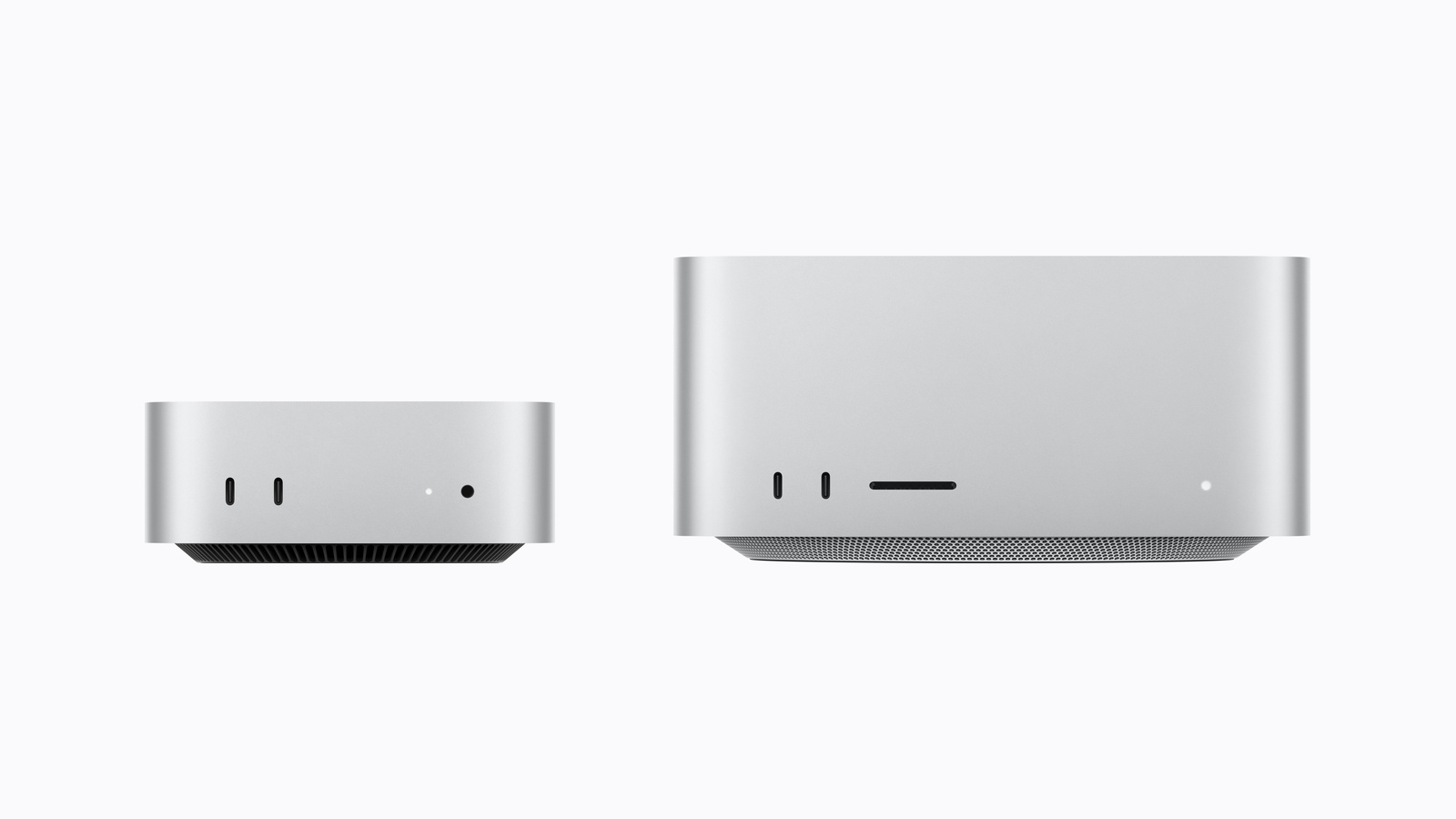
Two computers without a monitor, keyboard, or mouse are currently the most sought-after products in Apple's lineup. The reason is demand from companies that want to run large AI models locally – and according to a recent report, this demand caught Apple off guard.
On Tuesday, Apple announced the new Mac mini with M6 and M5 Pro via a press release, one day before the invitation to its September event. A report from The Information explains why this sequence was chosen and why late August at all: The decisive factor, according to the report, was the unexpectedly strong demand from business customers for hardware for AI applications.
Key Facts at a Glance
- According to the report, the early unveiling of the Mac mini and Mac Studio is due to AI demand from businesses.
- Apple usually releases new Mac models in October or November.
- A dedicated development team for business customers and an AI strategy for companies were lacking.
- Requests from companies for access to Private Cloud Compute were rejected.
- Due to storage shortages, many configurations have been unavailable for months.
An appointment that stands out from the rest
Apple typically unveils new Macs in the fall, usually in October or November. This week's announcement of the Mac mini and Mac Studio is therefore unusually early – and just before the expected unveiling of the new iPhone models, which usually command all the attention.
According to the report, this is due to the sales boom of both computers. The target audience is also evident in how Apple promotes the larger model: multiple Mac Studios can be connected to form a single system for running large AI models. This is a selling point for businesses and developers, not for the home office.
Apple already emphasized its shift towards business customers back in June. At a dedicated event for companies with executives from Ford, Disney, and Anthropic, the Mac mini was surprisingly the star attraction.
Without a team, without a strategy
Nevertheless, the surge in demand for high-performance desktop Macs caught the company unprepared. According to the report, Apple had neither a dedicated development team for business customers nor staff for developer support, and it lacked an AI strategy for enterprise customers.
A second point illustrates the extent of the gap: Companies that asked Apple for access to Private Cloud Compute – the infrastructure on which Apple processes its own AI requests – were turned down. Instead, the company relies on partners like WebAI and Mount Thor, which offer tools and execution environments based on Apple hardware.
When demand meets storage scarcity
The timing could hardly be worse for Apple. The increased demand for Mac hardware for AI models coincides with the global storage shortage, and many Mac mini and Mac Studio configurations have been unavailable for months.
Apple publicly acknowledged the situation back in the spring: Tim Cook confirmed in the earnings call for the second fiscal quarter that there were supply bottlenecks for both computers, caused by their use as a platform for AI and agent workloads, and expected it to take several months to reach equilibrium.
Some enterprise customers are therefore switching to other providers. Nvidia's DGX Spark, a compact AI computer that appeared at the end of last year in a form factor similar to the Mac mini, is mentioned – while Apple's high-end configurations remain difficult to obtain.
A success that Apple hadn't planned
This is an unusual situation for Apple: a success has emerged in a segment that was barely mentioned in their marketing for years. The Mac mini was long considered the entry-level device and the go-to machine for server rooms, while the Mac Studio was the exception, reserved for video editing and music production. Apple didn't create the demand for both as AI hardware; they simply acknowledged it.
In practice, however, the decisive factor isn't the strategy, but rather the availability of supplies. Anyone planning to purchase one of the new Mac Studio's configurations this fall will be competing with buyers ordering multiple units. For a desktop Mac, is the configuration that's readily available sufficient for you – or would you wait for your desired configuration, even if it takes months? Let us know in the comments how long you would be willing to wait.
- Small Prophets: Apple TV will show the BBC comedy from October
- OpenAI demands final dismissal of Apple's lawsuit