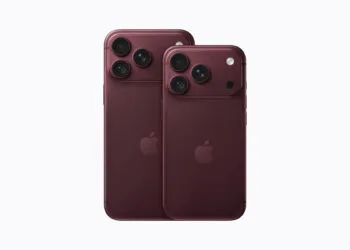
One analyst predicts fewer Apple foldable iPhones will be produced this year than previously expected. His reasoning is not demand, but the hinge. Production has been repeatedly hampered by delays to this component since spring.
The iPhone Duo was unveiled on September 9th, pre-orders begin on October 16th, and it will be available in stores from October 23rd. Confirmed specifications, prices, and release dates are compiled in the iPhone Duo overview. Jeff Pu of GF Securities, in an investor note, now expects fewer iPhone Duo units to be available by the end of the year. The same analyst had recently lowered his estimates for the iPhone 18 Pro and Pro Max – though the reasoning behind the reduction for the foldable model is different.
Key Facts at a Glance
- The estimate for iPhone Duo shipments in 2026 drops from seven to six million units.
- The analyst cites bottlenecks in the hinge production as the reason, not weak demand.
- The new figure remains above TrendForce's forecast of around five million devices.
- Germany, Austria and Switzerland were among the first wave on October 23rd.
Six instead of seven million devices
Pu expects Apple to ship around six million iPhone Duos this year. His previous estimate was seven million, a revision of just over 14 percent. This is not due to a lack of demand: Production is progressing more slowly than planned because of the hinge. A slower production ramp-up will first affect the quantity available when pre-orders begin on October 16.
Pu projects sales of 72 million iPhone 18 Pro and Pro Max units by the end of the year, twelve times the number of Duo units. Furthermore, the sales window will be shorter: there will be 70 days between October 23rd and the end of the year, while for the Pro models it will be 105 days starting on September 18th.
The information comes from an unpublished investor note. It identifies the hinge as a bottleneck but names neither a supplier nor a breakdown by month or market. The fact that Pu revised his own figure downwards indicates the direction of his assessment – but this is not independent confirmation of the bottleneck.
Three numbers for the same year
On September 10th, the market research company TrendForce published its own forecast for the foldable smartphone market. This forecast predicts approximately five million iPhone Duo shipments in 2026, which would represent nearly a quarter of all foldable smartphones. According to this calculation, the foldable market would shrink without Apple: Android manufacturers combined are projected to ship more than 20 percent fewer devices than the previous year.
| Info | Measured variable | Quantity 2026 |
|---|---|---|
| TrendForce, September 10 | Deliveries | approximately 5 million |
| Jeff Pu, previous estimate | Deliveries | 7 million |
| Jeff Pu, current note | Deliveries | 6 million |
| Previous reports from the supply chain | Order from suppliers | approximately 10 million |
Pu's reduced figure is still 20 percent higher than TrendForce's. Both estimates measure the same thing and independently arrive at five to six million devices. The approximately ten million from previous supply chain reports, on the other hand, describe the quantity Apple is said to have ordered from suppliers. This figure cannot be directly compared to the delivery estimates.
The hinge as a recurring bottleneck
In May, it was reported that trial production was stalled at the hinge because the component wasn't reliably passing stress tests. The source at the time was a leaker account on Weibo. By the end of August, according to a supply chain report, production had dwindled to just a few hundred devices per day. Apple's specifications regarding display flatness and the hinge were mentioned, but the missing components were not.
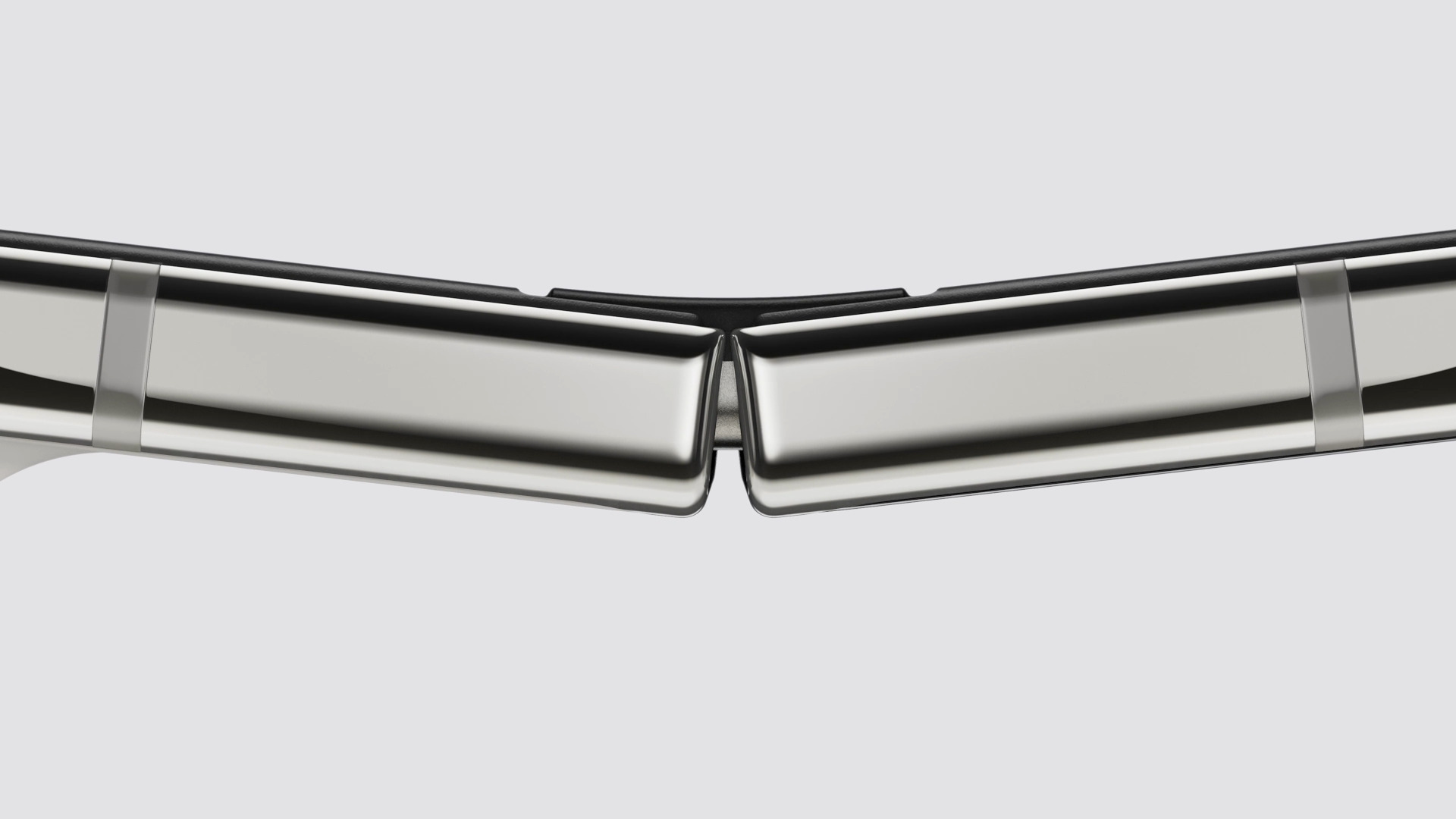
Apple itself describes the hinge in its announcement as a construction of over 100 individual parts. It controls the opening and closing mechanism and stabilizes the center of the display; the cover is manufactured using 3D printing. Between the May report and the new note, sources and figures have changed – but the component considered the bottleneck remains the same.
Why the first appointment counts for DACH
Germany, Austria, and Switzerland are in the first wave. Pre-orders are scheduled to open on the purchase websites of all three countries on October 16th at 2 PM, with the device available from October 23rd. 28 other countries and regions will follow on October 30th. If the initial supply is indeed limited, this will affect the German-speaking region from the very first day of sales.
The correction of one million units is not in itself cause for alarm. More significant is the fact that two independent estimates are now very close and both remain an order of magnitude below the Pro models. In Germany, the duo costs between €2,299 with 256 GB and €3,799 with 2 TB; the price difference to the iPhone 18 Pro is €850 in each storage capacity.
If you're planning to buy it at launch, there's one important point to note beforehand: The Duo works exclusively with eSIM worldwide. If you're currently using a physical SIM card, you'll need to use one of the methods to activate an eSIM on your iPhone during setup.
Are you ordering on October 16th at 2 PM, or are you waiting to see how delivery times develop after the launch? Let us know your plans for October in the comments.