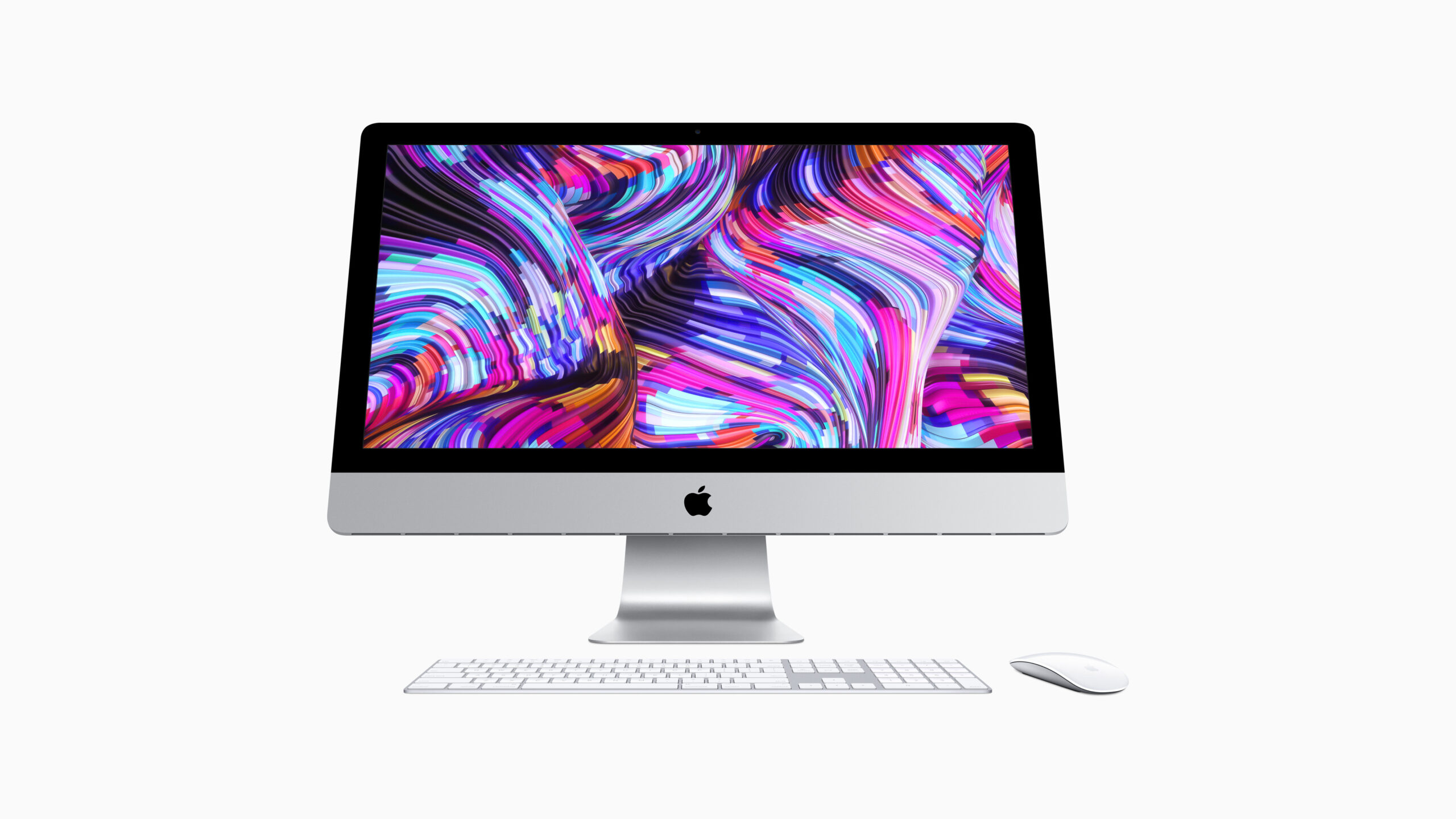
Apple has officially retired the last 21.5-inch iMac with a Retina display. Repairs are still available, but only as long as spare parts are in stock. Newer macOS versions haven't run on it since last year.
Apple added the iMac (Retina 4K, 21.5-inch, 2019) to its list of vintage and discontinued products on September 15. This model was released in March 2019 and discontinued with the introduction of the iMac with M1 processor in April 2021. Earlier this year, Apple added the iPad Air 3 to the vintage list, among other products. The 27-inch model from the same year is already on the list.
Key Facts at a Glance
- Apple has been listing the iMac (Retina 4K, 21.5″, 2019) as a vintage product since September 15th.
- Service and spare parts will still be available, but only as long as parts are available.
- The latest compatible system for the iMac remains macOS Sequoia.
- The model will reach the seven-year mark before being discontinued in April 2028.
What changes for repairs
Apple defines vintage products as those that were discontinued more than five and less than seven years ago. Service and spare parts are still available for these products, but only depending on parts availability. After more than seven years, a product is considered obsolete: all hardware support ends, and service providers can no longer order parts.
According to Apple, the extended warranty period of up to ten years for battery repairs applies only to Mac laptops and does not apply to iMacs. The entry is listed under Mac products considered vintage worldwide, and therefore also applies to Germany, Austria, and Switzerland.
Five years after the end of sales
With sales ending on April 20, 2021, the five-year limit was set for April 20, 2026. Apple registered the iMac 148 days later. It will reach the point of being a discontinued product on April 20, 2028.
The fact that the change doesn't have to happen on the deadline is shown by its predecessor: The iMac (Retina 4K, 21.5″, 2017) remained in the program until March 2019, thus exceeding the seven-year mark in March and still being on the vintage list.
| Model | End of sale | Status at Apple | Latest compatible system |
|---|---|---|---|
| iMac (Retina 4K, 21.5″, 2017) | March 2019 | Vintage | macOS Ventura |
| iMac (Retina 5K, 27″, 2019) | August 2020 | Vintage | macOS Sequoia |
| iMac (Retina 4K, 21.5″, 2019) | April 2021 | Vintage since September 15th | macOS Sequoia |
| iMac (21.5″, 2017) | October 2021 | not listed | macOS Ventura |
The cheaper 21.5-inch model without a Retina display was only removed from the product line at the end of October 2021. It is not currently on either list.
macOS Sequoia remains the final destination
Apple's overview of iMac models lists macOS Sequoia as the latest compatible system for the 2019 iMac. macOS Tahoe required the 2020 model year iMac, and with macOS 27 Golden Gate, the last four Intel-based Macs also lost compatibility.
Since September 1st, developers have been allowed to distribute apps in the Mac App Store without Intel support, provided the app requires at least macOS 13. On an Intel-based Mac, only the last compatible version will remain usable; newer versions will no longer be available. The Apple menu under "About This Mac" shows which model is on your desktop.
Repair it while parts are available
The new status doesn't change anything about the device itself: the iMac continues to function as before. However, it does postpone the repair bill in case of a defect. Until it's classified as discontinued, any repair depends on the availability of parts; after that, neither Apple nor service providers offer repairs.
If you have been postponing a repair to your iMac, the new status suggests that you should tackle it now.
Do you still have an Intel iMac on your desk – and are you having it repaired as long as parts are available, or is the end of macOS Sequoia the final straw for you? Tell us in the comments how much longer you expect your iMac to last.