This article may contain affiliate links. Learn more on our Partner Program page.
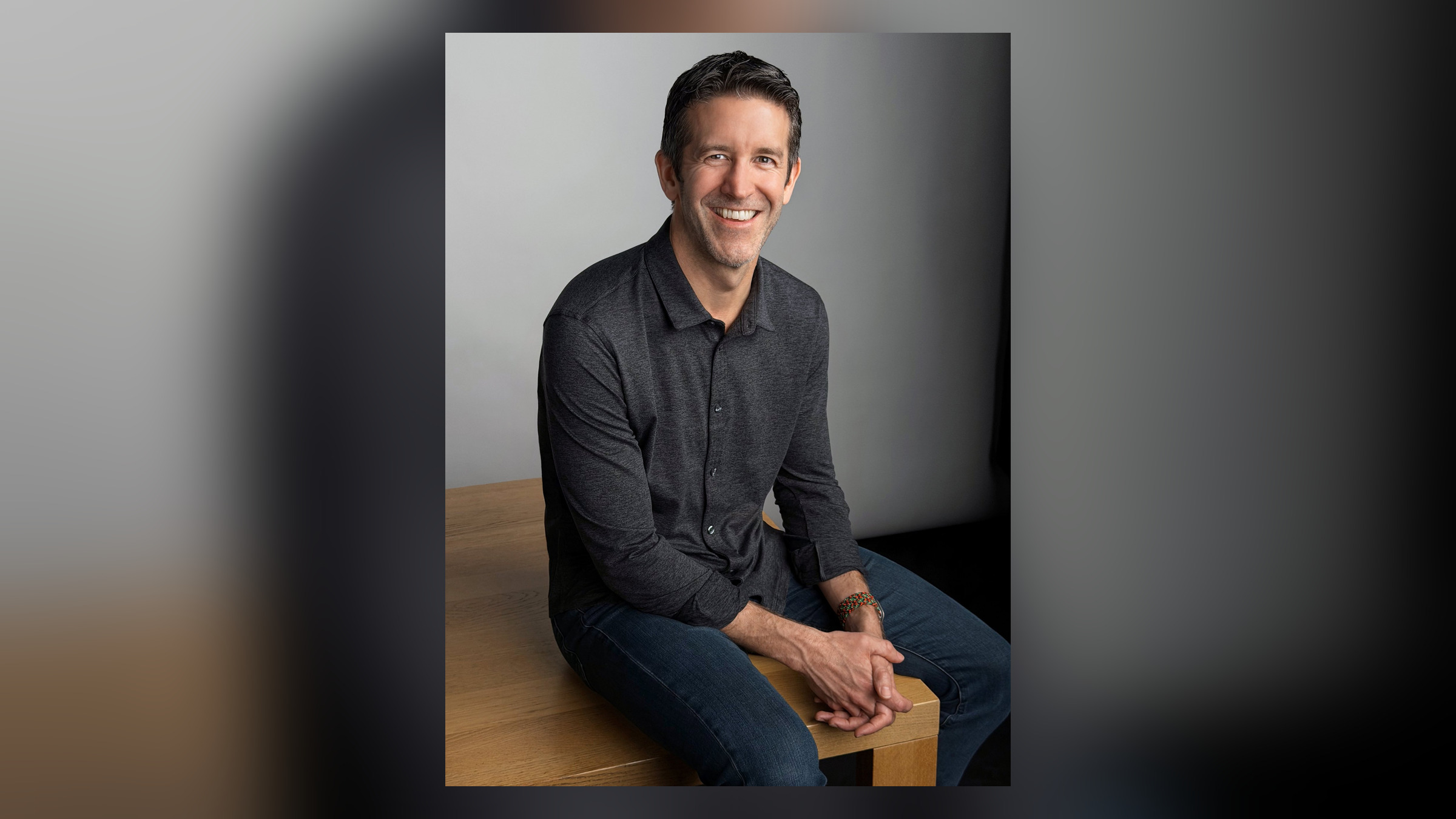
After fifteen years of Tim Cook, someone else was on the phone this time. John Ternus led the quarterly conference call for the first time as CEO, and he brought a change with him: Apple's chief operating officer has also been at the table since this round.
During the fourth-quarter earnings call, Ternus, along with CFO Kevan Parekh, answered analysts' questions. Tim Cook had confirmed at his last conference call in July that his successor would be taking over this role.
The conference transcript shows how he structured the meeting. His career at Apple led through hardware development, which is reflected in the topics he covered.
Key Facts at a Glance
- COO Sabih Khan will now participate in the Q&A session and will handle questions about the supply chain.
- Ten analysts asked questions, with Ternus speaking most frequently.
- He calls the iPhone the "intelligent personal hub" and describes the storage prices as unprecedented.
- He makes no mention of the standard iPhone 18 model; according to Ternus, Apple is not currently planning a common system for macOS and iOS.
- Apple expects shortages of Mac and iPad for the December quarter, primarily due to storage.
There are three of them at the table, including Khan
Before the Q&A session, Ternus introduced Sabih Khan and explained that he had asked him to join the conference in the future. Khan is Apple's Chief Operating Officer and is responsible for the supply chain. This marks a return to the format: Tim Cook also previously participated in the conferences as Chief Operating Officer.
The division of labor was clearly evident. In the transcript, Ternus made 11 contributions during the question-and-answer session, Parekh 10, and Khan 5.
| Speaker | Role | Topics in the Q&A session |
|---|---|---|
| John Ternus | CEO | Siri AI, iPhone, Services, Storage, China, Mac and iPad |
| Kevan Parekh | CFO | Margin, services, capital, operating expenses |
| Sabih Khan | COO | Supply chain, iPhone Duo, storage |
Khan provided the most important piece of information. He explained that the bottlenecks in the September quarter were primarily due to the availability of the most advanced manufacturing processes; this will ease with the transition to 2-nanometer technology. He anticipates shortages of Macs and iPads in the December quarter, mainly due to storage. Apple has not yet announced a release date for the iPhone Duo.
The iPhone as a personal center
Ternus focused his presentation on AI. When asked whether personal agents could replace the iPhone as a means of customer relationship management, he cited data privacy as the reason.
We truly see the iPhone as the intelligent personal hub. So much personal data resides on the iPhone, whether contacts, communications, health or financial data, and Siri can access it and help you access this data very securely and privately.
According to Ternus, Siri AI currently primarily answers individual queries, but the technology can be expanded. He stated that Siri handles more than 2.5 billion queries daily. Regarding usage limits for server-based functions, he explained that extended access will be available for a fee in the future, as he elaborated when asked about iCloud+.
Storage is a matter for the boss
The most explicit statement of the conference concerned the storage market. The question was addressed to Parekh, who then passed the floor to Ternus regarding storage:
What we are currently seeing in storage prices is unprecedented.
To improve supply, Ternus increased its manufacturing commitments by a total of $33 billion from June to September. Khan repeated the figure instead of addressing the question about storage contracts. The impact on margins is outlined in the outlook for the December quarter.
Where Ternus blocks
When asked about upcoming products, Ternus stuck to his usual line. Asked why the standard iPhone 18 model was missing in September, he referred to the current product range and said that Apple does not comment on its roadmap.
He also dismissed the question of whether macOS and iOS could merge into a single system. The touch display of the new MacBook Pro and Dynamic Island had suggested this possibility. Ternus responded with Mac and iPad, without mentioning iOS.
We are not currently planning any fundamentally different changes, and we wouldn't discuss them anyway.
The Mac is his topic
„The Mac brought me to Apple,“ Ternus said in his introduction, and more than 40 years after the first Mac, the category is experiencing its greatest moment. This is illustrated by the example he cited shortly before: 170,000 MacBook Neos being distributed by the Philippine Department of Education to teachers and staff, which Ternus described as Apple’s largest educational commitment for the Mac.
Looking at the entire company, he went far: Apple is the greatest company in the world.
New division, same task
I found the presentation particularly well-organized. Ternus largely leaves financial matters to Parekh and the supply chain to Khan, while focusing on products, AI, and the initial steps in addressing the storage issue. This seems less like a break with Cook than a redistribution of the same tasks.
For users in German-speaking regions, one part of the introduction was disappointing: Ternus listed French, Japanese, Korean, Portuguese, and Spanish as Siri AI languages. German is still missing.
Did Ternus's first appearance reassure you, or would you have preferred clearer information regarding storage and pricing? Let us know in the comments what question you would have asked him.