

This article may contain affiliate links. Learn more on our Partner Program page.
Apple's research budget grew by almost a third in a single fiscal year, more than in the three previous years combined. In the fourth quarter, it remained virtually unchanged from the previous quarter. However, this doesn't necessarily mean it's plateauing, as a look at the previous year shows.
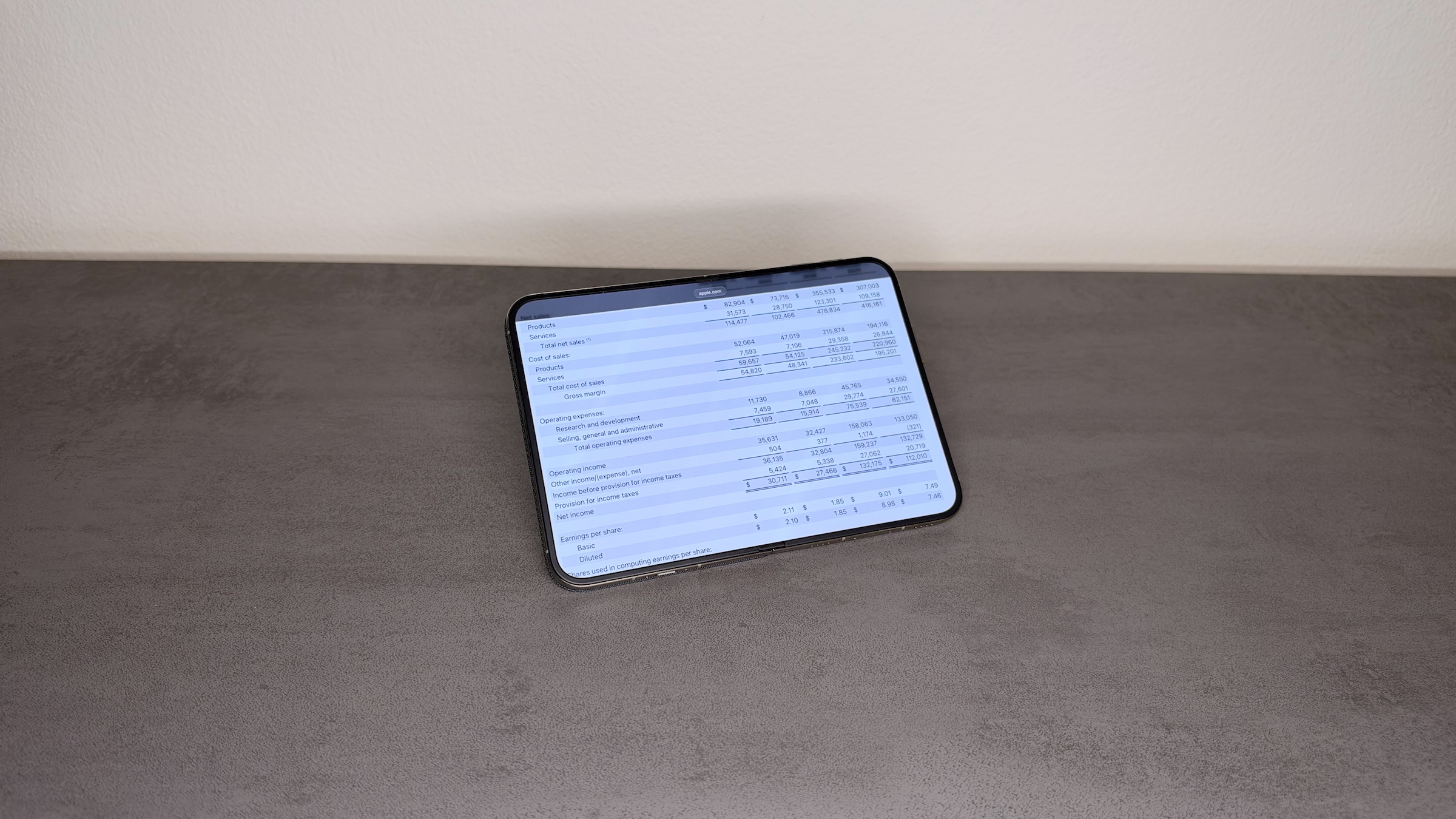
The figures for the fourth fiscal quarter show that Apple spent a total of $45.77 billion on research and development in fiscal year 2026. In the previous year, the figure was $34.55 billion; these figures are available in the consolidated financial statements.
This confirms the trend that was already apparent in the June quarter. Further figures for the year can be found on the topic page dedicated to Apple's quarterly results.
Key Facts at a Glance
- Apple will spend approximately $45.77 billion on research in fiscal year 2026, 32.5 percent more than in the previous year.
- The September quarter, at $11.73 billion, is only $1 million above the June quarter.
- The same picture appeared a year ago, followed by the big jump.
- The share of revenue increases from 8.3 to 9.6 percent.
- Apple spent significantly less on tangible assets than in the previous year.
An increase of $11.2 billion in one year
The increase of approximately $11.2 billion exceeds the total increase over the previous three years. From 2022 to 2025, the budget rose by $8.3 billion.
| Fiscal year | Research and Development | Change |
|---|---|---|
| 2022 | 26.25 billion $ | – |
| 2023 | 29.92 billion $ | +14,0 % |
| 2024 | 31.37 billion $ | +4,9 % |
| 2025 | 34.55 billion $ | +10,1 % |
| 2026 | 45.77 billion $ | +32,5 % |
The budget is thus growing more than twice as fast as revenue, which increased by 15.1 percent. Sales and administration accounted for only 7.9 percent. 9.6 percent of revenue was allocated to research, compared to 8.3 percent in the previous year.
The September quarter remains almost on par with the previous quarter
With $11.73 billion, the September quarter was the highest of the year, albeit by only $1 million. According to Apple's quarterly report, the June quarter saw revenue of $11.729 billion.
| Quarter | Fiscal year 2026 | Fiscal year 2025 | Change |
|---|---|---|---|
| December | 10.89 billion $ | 8.27 billion $ | +31,7 % |
| March | 11.42 billion $ | 8.55 billion $ | +33,6 % |
| June | 11.73 billion $ | 8.87 billion $ | +32,3 % |
| September | 11.73 billion $ | 8.87 billion $ | +32,3 % |
The table shows why the stagnation is not very informative. As early as fiscal year 2025, the June and September quarters were exactly the same, each with $8.866 billion. In the following December quarter, the budget then jumped to $10.89 billion, an increase of almost 23 percent within a single quarter.
Research is growing, capital investment is declining
Apple spent $9.04 billion on land, buildings, and equipment in the fiscal year, down from $12.72 billion the previous year. This represents a decrease of 28.9 percent, while research spending increased by almost a third. The research budget is now roughly five times the size of these investments.
Tim Cook stated this summer that Apple is investing significantly more and that its research is growing faster than the company as a whole. Chief Financial Officer Kevan Parekh added at the time that the spending on artificial intelligence is in addition to the usual investments in products. Part of the budget also ends up in Germany: According to Apple, Munich is the company's largest development center in Europe, where teams work on chip design, among other things.
Why the plateau is more of a break
I don't expect the research budget to remain at this level. The pattern from last year suggests otherwise; I rather expect spending to increase again in the December quarter.
Research is Apple's largest operating expense, and storage costs are rising in parallel. Buyers in German-speaking countries have already experienced two price increases this year: in June for Macs and iPads, and in September for the iPhone.
Are you already noticing any impact from the higher costs in your daily life, or are Apple Intelligence and similar features hardly a reason to buy one for you so far? Tell us in the comments which new feature is truly worth the effort for you.