
This article may contain affiliate links. Learn more on our Partner Program page.
Barely a week on the market, and already a market researcher predicts that Apple's first foldable iPhone will capture almost a third of the market next year. Samsung would remain in the lead, but only by a narrow margin. At the same time, the same forecast doesn't explicitly state why Apple's rise might be thwarted.
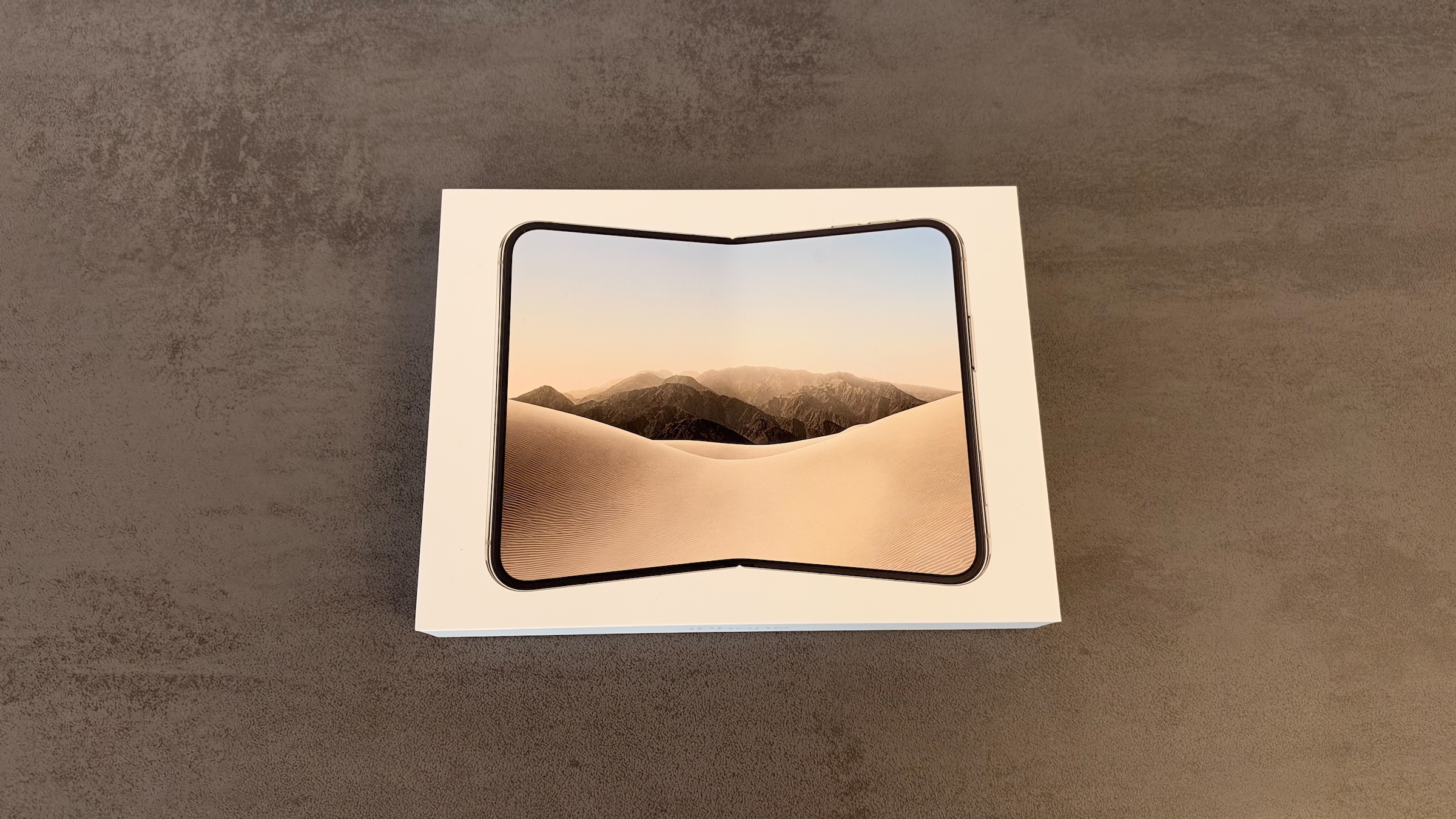
TrendForce published a new forecast for the iPhone Duo on October 28th. At its core is a graphic showing the market shares of foldable manufacturers up to 2027: Apple is projected to account for 29.8 percent of all foldable smartphones shipped by then. For the current year, the company maintains its September figures, which predicted Apple would sell around 5 million units and hold a 24.8 percent share – in a market that is only expected to grow by 0.5 percent in 2026. All the details about the device itself can be found in the complete iPhone Duo overview.
Key Facts at a Glance
- TrendForce projects Apple will capture 29.8 percent of global foldable shipments in 2027, up from 24.8 percent in 2026.
- Samsung's share falls from 35.1 to 31.9 percent, Huawei from 24.8 to 21.3 percent.
- The gap between Samsung and Apple thus shrinks from a good 10 to around 2 percentage points.
- Counterpoint had previously quoted 40 percent for Apple for 2027 – so the two firms are far apart.
- TrendForce cites damaged internal displays, incompletely adapted apps, and the power consumption of the large display as obstacles.
Apple closes the gap to Samsung to within two points
The figures are taken from the chart that TrendForce included with the press release. They refer to shipments, not sales to end customers. I calculated the share of the other brands from the difference to 100 percent.
| Manufacturer | Share 2026 (estimate) | Share 2027 (forecast) |
|---|---|---|
| Samsung | 35,1 % | 31,9 % |
| Apple | 24,8 % | 29,8 % |
| Huawei | 24,8 % | 21,3 % |
| Other brands (calculated) | 15,3 % | 17,0 % |
In the first year, Apple shares second place with Huawei, but in the second year, it clearly overtakes them. Samsung's lead shrinks from 10.3 to 2.1 percentage points. TrendForce does not specify a unit figure for 2027 in its press release, nor does it mention the size of the overall market.
Two houses, two bills for 2027
The new figure stands in stark contrast to an earlier forecast. At the beginning of September, Counterpoint Research predicted a 40 percent Apple market share for 2027, with market growth of 37 percent. For the current year, however, the two firms are close: Counterpoint projected 25 percent and up to 6 million devices, while TrendForce predicted 24.8 percent and around 5 million.
The difference for 2027 is therefore a good ten percentage points. However, Counterpoint did not provide a figure for Samsung for the same year, so a direct comparison of the rankings is not possible with these numbers. TrendForce, a market research firm specializing in display and component supply chains, relies on reliable insights into manufacturing, but still only provides an estimate: Apple has not reported individual iPhone unit sales for years.
What could slow the rise
TrendForce dedicates unusually detailed attention to the weaknesses. According to the report, less than a week after pre-orders began, Apple's website showed delivery dates as late as January 2027 for some orders. The company describes initial feedback as mixed: The two-app view and the unfolded display are praised, while black borders in some apps, the button layout, and fingerprint recognition require some getting used to.
More serious are the reports of damaged internal displays. Apple has already acknowledged that a problem with the internal display affects a small number of devices and offered replacements to those affected. TrendForce suggests, based on teardown analyses, that one hypothesis is that the central support in the hinge doesn't retract far enough when the device is closed, resulting in concentrated stress on the display. The company believes the primary solution lies in optimizing the hinge travel, support height, and manufacturing tolerances.
Added to this is the energy consumption. A large OLED display consumes a lot of power depending on the brightness and content; even a lower refresh rate only partially compensates for this. TrendForce, on the other hand, cites Apple's biggest advantage as the combination of its own chips, operating system, and developer ecosystem.
The forecast depends on the hinge, not on demand
I consider the 29.8 percent figure to be the more conservative and therefore more reliable of the two for 2027. Demand is clearly there if the first delivery dates are already slipping into the new year. The crucial factor will be whether Apple can quickly resolve the display issue and whether the app updates keep pace – this is precisely where TrendForce also places its reservations.
If you're eyeing an iPhone Duo, you're not losing much by waiting a few weeks: According to TrendForce, some delivery dates are already stretching into January, and every week brings more clarity about the durability of the inner display. The iPhone Duo's arrival in 2027 will also determine whether foldable smartphones move beyond their niche status.
Do you think Apple will catch up with Samsung in the foldables market by 2027 – or is the display issue slowing things down? Let us know in the comments what percentage you think Apple will achieve next year.