
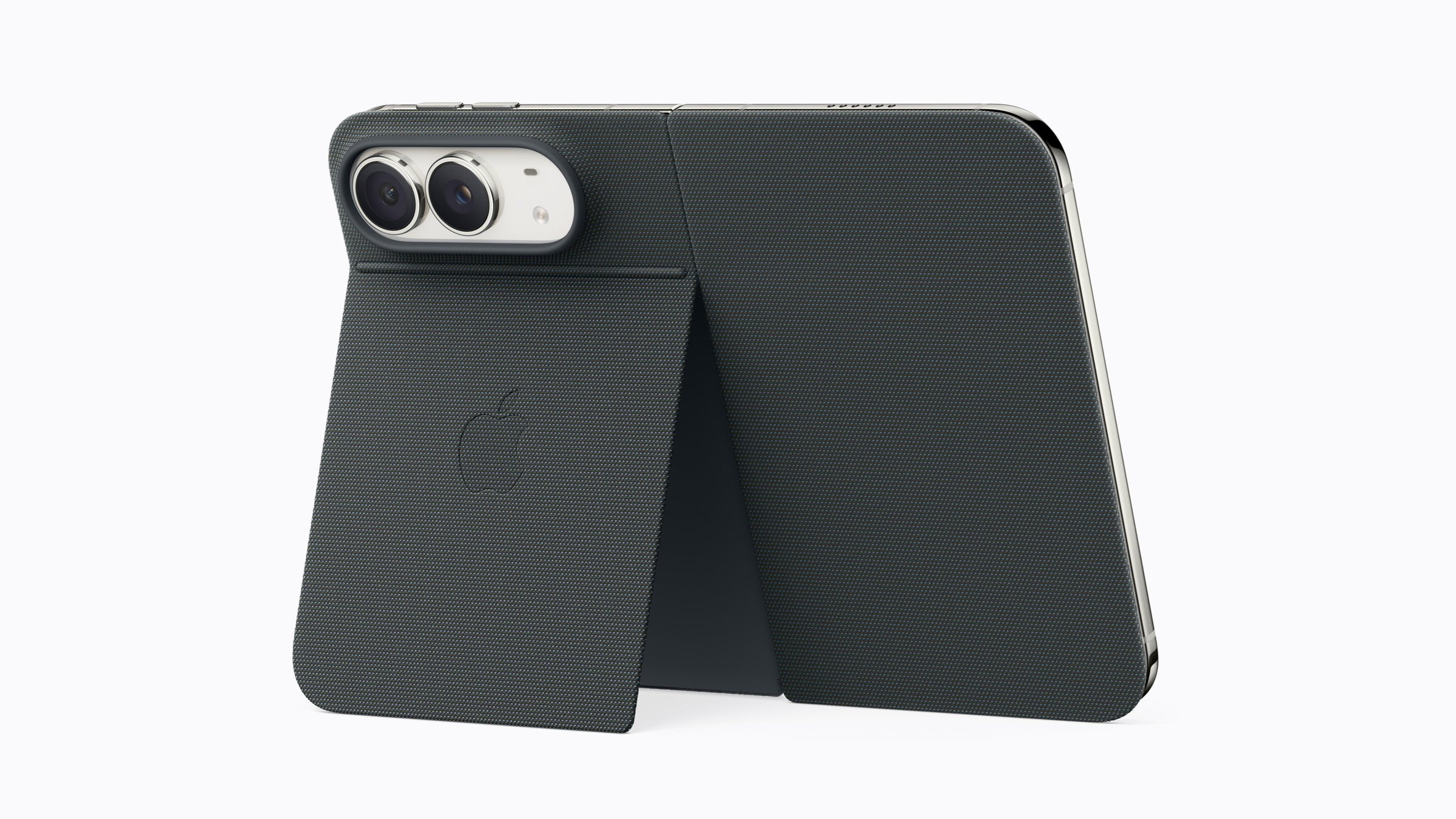
The first foldable iPhone isn't even on the market yet, and already the question arises as to how Apple will expand the line. A larger model is considered likely, and there are also two ideas for the opposite direction – a slimmed-down device and a clamshell format.
The expectation originates from Bloomberg's Sunday newsletter, Power On. It comes at a time when the hard specifications for the iPhone Duo are already available, but sales don't begin until October 23rd. What's remarkable is not so much the content itself, but its source: This isn't a report from the supply chain; rather, it's an experienced observer drawing conclusions from Apple's own choice of name.
Key Facts at a Glance
- An "iPhone Duo Max" with a larger screen is expected, without a specified time.
- Additionally, a scaled-down model and a folding version are being considered.
- The reason given is the ending "Duo": it is three letters long, like Air and Pro, and leaves room for additions.
- Internally, the device was reportedly called "iPhone Ultra" for a time before its unveiling.
- None of these variants are supported by suppliers, code, or documents.
What's the truth behind the naming logic?
Apple's suffixes do indeed follow a pattern: Air, Pro, Max, mini, and SE all follow the product name, and they can be combined – Pro Max has been a feature of the iPhone for years. A name like "iPhone Ultra" would have blocked this chain because "Ultra Max" doesn't work linguistically.
This is precisely where the expectation arises: anyone who opts for a short, combinable suffix is presumably planning for the combination. That's a plausible interpretation, but just one interpretation – not an indication of Apple's product planning.
The three variants at a glance
| Variant | What needs to change | As proven |
|---|---|---|
| iPhone Duo Max | larger screen | Expectation, no source from the surrounding area |
| iPhone Duo SE | reduced equipment | mentioned as a possibility |
| iPhone Duo mini | Fold-out format instead of book format | mentioned as a possibility |
The last point would be the biggest departure. The Duo unfolds like a book, becoming a small tablet. A clamshell device, on the other hand, folds a normal-sized phone down to pocket size – a different purpose, a different target group, and a form factor that Apple has never shown before.
What that would mean in terms of price
The duo starts at €2,299 in Germany. A model with a larger screen would be significantly more expensive: the Pro Max version of the iPhone 18 Pro is a three-figure sum higher than the base model.
We expect that a slimmed-down foldable device would be a more attractive option for Apple. The sales figures for the first generation are tied to a price point that is out of reach for the vast majority of buyers; a lower-priced version would change that more than an even larger flagship model.
Between product plan and thought experiment
The statement comes from a source with a good track record regarding Apple events and products. However, this is different from a supply chain report: there is no document, no supplier information, and no time reference. The basis is a name suffix.
That doesn't make the idea worthless. Apple started with a single model for the iPhone, iPad, Apple Watch, and Mac, and later expanded the lineup – anything else would be surprising with a foldable device. However, the path to a foldable device is open, and the second generation will likely improve upon the shortcomings of the first.
Which version would you rather buy: an even larger folding device or a smaller, cheaper one? Let us know in the comments which option makes more sense to you.