
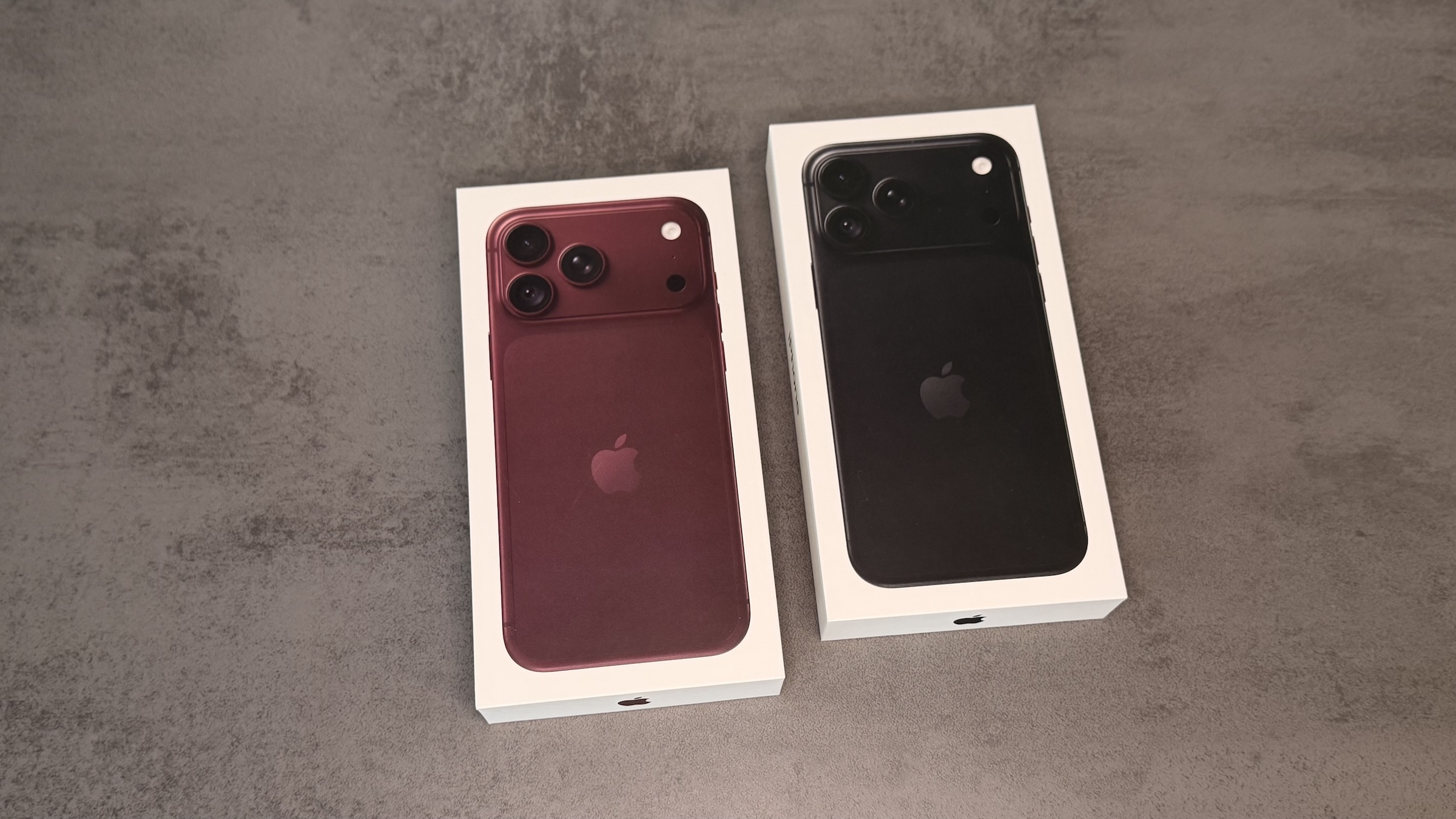
Three weeks after its launch, there are initial signs that demand for the iPhone 18 Pro is lagging behind Apple's projections. According to a supply chain report, Apple has significantly reduced its orders for October. The reason given is the higher prices – which are more pronounced in Germany than in the US.
Apple has reportedly instructed several suppliers to produce fewer components for the iPhone 18 Pro and iPhone 18 Pro Max, according to Nikkei Asia, citing sources within the supply chain. The two models have been available since September 18th and, along with the foldable iPhone Duo, are the only new iPhones released this fall. Apple unveiled the specifications and pricing of the iPhone 18 Pro and Pro Max on September 9th.
Key Facts at a Glance
- Apple is said to have cut its component orders for October by at least 15 percent compared to the original plan.
- The report cites higher prices and the separate market launch, with the iPhone 18 only following in the spring, as reasons.
- In Germany, the price increase compared to the predecessor is higher at 150 euros than in the USA at 100 dollars.
- According to a report, a supplier expects a similar trajectory for the iPhone Duo.
What the report calls
According to Nikkei Asia, Apple reduced its component orders in October by at least 15 percent compared to its initial request, a claim confirmed by two sources. A supply chain executive reportedly stated that the reduction was 15 to 20 percent for both Pro models. Apple has reportedly been more cautious with its delivery volumes since the beginning of September.
Not all suppliers are affected equally, as lead times vary depending on the component. The report does not indicate whether Apple plans further adjustments for November. Importantly, the reduction refers to Apple's own production plan for October, not the previous year. Nikkei does not specify how many units were originally planned.
Regarding reliability: Nikkei Asia regularly reports on the Asian supply chain and relies on multiple sources, including an executive at a supplier. No document or confirmation from Apple is available.
Two reasons for the weaker demand
The first reason is the price. Apple justified the Pro models with rising memory chip costs and raised the price by $100 each in the US. The increase is more pronounced in the German Apple Store:
| Model | Entry price Germany | Surcharge compared to the predecessor |
|---|---|---|
| iPhone 18 Pro | 1.449 € | +150 € |
| iPhone 18 Pro Max | 1.599 € | +150 € |
With the same price round in September, older models also became more expensive, the iPhone 17 by about 150 euros, the iPhone Air in the smaller storage sizes by 100 euros.
The second reason is the staggered market launch. This fall, Apple only unveiled the Pro models and the foldable iPhone Duo; the regular iPhone 18 won't follow until spring 2027. According to a Nikkei source, demand is therefore weaker than in years when all models were released simultaneously.
What was known about this so far
This report aligns with an earlier assessment: Back in mid-September, analyst Jeff Pu lowered his production estimate for the iPhone 18 Pro to 72 million units for both the Pro and Pro Max models. However, at that time, he based his estimate on delivery times in the US, not on order data.
This contradicts the launch in China. According to Counterpoint, Apple held the top spot there with a 33 percent market share during the sales week of the Pro models, with the Pro line selling 12 percent better than the previous year. These two figures are not mutually exclusive: The Chinese figures cover three sales days in September, while the reduction refers to the planning for October. Furthermore, the regular model was unavailable at launch, meaning some buyers opted for the Pro anyway.
Why the quarterly figures reveal little
I don't expect much clarity regarding demand from the quarterly figures on November 2nd. They cover July through September, and the Pro models were only available for just under two weeks within that period. The reduced October orders won't be included until the next quarter, for which Apple will present its figures at the end of January.
Nevertheless, I consider this news a serious signal because it combines two known risks: The price increase is hitting buyers in Germany harder than in the US, and without a cheaper fall model, price-conscious consumers currently have no option but to opt for a previous year's device, which has also become more expensive. According to Nikkei, a supplier expects a similar trend for the iPhone Duo after its launch on October 23. Anyone waiting for a cheaper new iPhone will have to wait until spring for the regular iPhone 18 anyway.
Did the €150 price increase deter you from buying an iPhone 18 Pro, or did you go for it anyway? Let us know your reasoning in the comments.