
This article may contain affiliate links. Learn more on our Partner Program page.
The iMac was supposed to get an OLED display by the end of the decade. Now, Apple is reportedly renegotiating the project with Samsung Display – everything from a postponement to a complete cancellation is on the table. Meanwhile, the search is already underway for suppliers for another iMac with an LCD display.
According to a report by the Korean trade publication The Elec on November 19, Apple is fundamentally re-evaluating its plans for an iMac with an OLED display. The publication focuses primarily on semiconductor and display suppliers and is considered well-informed regarding panel developments. However, it relies on unnamed industry sources and a single, unnamed industry representative.
The report calls into question what had become a fairly clear picture since the end of 2025: The previously known overall picture for the OLED iMac envisioned a 24-inch iMac with OLED for 2029 or 2030.
Key Takeaways
- Apple is reportedly in talks with Samsung Display about postponing or halting the OLED iMac; according to an industry representative, postponement is currently the priority.
- The main reason is the cost: The iMac sells in smaller quantities than iPhones and notebooks, and expensive OLED panels are difficult to factor into the price.
- The weak demand for the OLED iPad Pro is said to have influenced the decision.
- LG Display is said to have already discontinued the development of its panel for the first OLED iMac.
- Apple is said to have inquired with LCD suppliers like BOE about panels for an iMac around 2029.
What is known about the talks with Samsung Display
Apple has reportedly recently discussed adjustments to the development timeline for the OLED iMac with Samsung Display. According to The Elec, two options are on the table: pushing back the original schedule or shelving the project altogether. An industry source described the current situation as follows:
At the moment, the discussions are focused on postponing the schedule and monitoring the market situation.
This does not mean a final decision has been made. The report describes an ongoing review, not a decision – and the wording used by the industry representative suggests a postponement rather than a complete halt.
Costs and weak OLED demand as reasons
According to the report, the biggest factor is price. The iMac is sold in significantly smaller quantities than smartphones or notebooks, making it difficult to combine expensive OLED panels with a competitive device price. Added to this are the recent increases in memory chip prices, which further increase the cost of switching to OLED in other devices.
The second reason is the iPad Pro, which has been built as a tandem OLED display with two light-emitting layers since 2024. The expensive panels have driven up the device's price, and sales are said to have fallen short of expectations. The Elec cites the following estimates for the iPad Pro's OLED panels:
| Supplier | Panels 2025 | Panels 2026 (Forecast) |
|---|---|---|
| Samsung Display | 2.1 million | 1.5 million |
| LG Display | 3.9 million | 3.4 million |
| Together | 6.0 million | 4.9 million |
This represents a decline of approximately 18 percent. This trend aligns with an analysis from market research firm Omdia from early September, which indicated that demand for the OLED iPad Pro is around 37 percent below projections. However, the figures are not directly comparable: Omdia compares its data to Apple's panel production plan of approximately seven million units for this year, while The Elec compares estimated shipments over two years.
The change in leadership could also play a role. Since John Ternus became Apple's CEO on September 1st, Apple is reportedly reassessing whether expensive OLED panels are economically viable.
How far along were the panels for the OLED iMac?
At the end of 2025, Apple approached Samsung Display, LG Display, and other suppliers to develop 24-inch OLED panels with 600 nits of brightness and 218 ppi. The pixel density would be comparable to that of today's iMac, while the brightness would be higher.
Samsung Display is developing a panel with approximately 220 ppi and five light-emitting layers on its existing QD-OLED production lines, which are intended to improve brightness and lifespan. According to The Elec, Samsung planned to deliver the first samples to Apple in the second half of 2026.
LG Display was also working on a panel with five light-emitting layers designed to prevent burn-in, with finished panels targeted for 2028. LG has reportedly since discontinued this development for the first OLED iMac. Separately, LG is working on FLiPP, a process that applies the red, green, and blue pixels using photolithography instead of a fine metal mask. It is intended for Apple devices like the iMac and MacBook Air in 2030.
An LCD iMac for 2029 as a second option
While Apple is reviewing the OLED iMac, the company is reportedly working on an iMac with an LCD display in parallel. Inquiries have recently been sent to LCD suppliers, including BOE, for a market launch around 2029. This timeframe overlaps with the 2029 to 2030 window previously used for the OLED iMac.
If Apple sticks with LCDs, Samsung Display's plans for the iMac would be set back, according to The Elec. LG's FLiPP strategy, which targets Apple's IT devices by 2030, would also be affected.
Why the iMac falls behind in the OLED transition
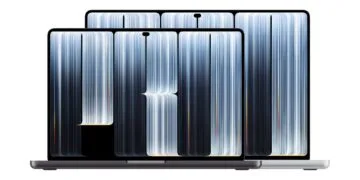
I see this report less as a departure from OLED and more as a prioritization based on sales volume. Where Apple sells large quantities, the transition continues: The iPad mini with the A20 Pro has been available with an OLED display since November 6th, and OLED is being discussed for the iPad Air by 2027, both with a simpler design than the iPad Pro. Also since November 6th, the MacBook Pro with a PROLED XDR display has been the first Mac with an OLED screen. The iMac sells in smaller numbers as a notebook and would require the largest panel in its lineup – where the cost issue is most critical.
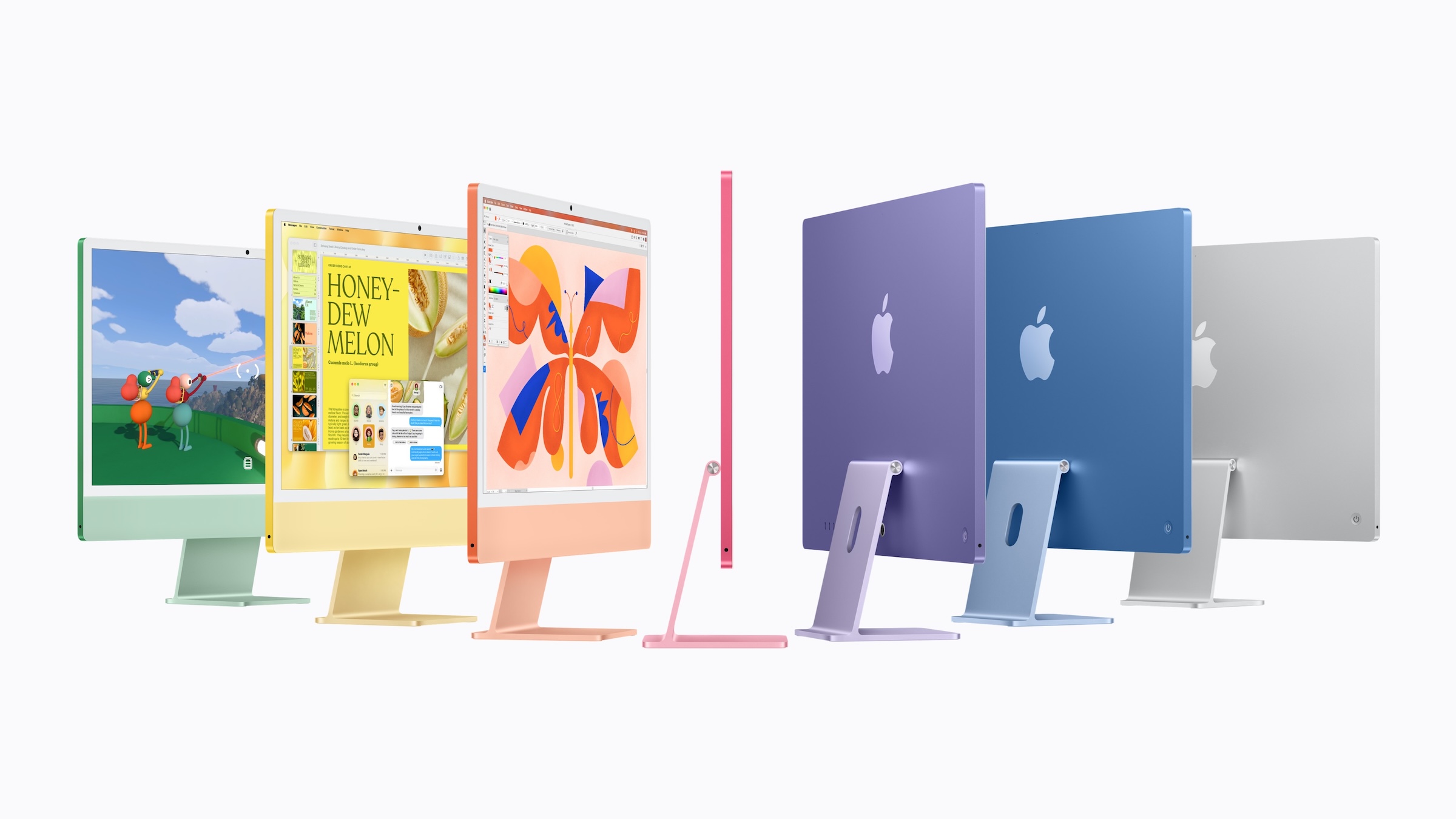
The report changes little for purchasing decisions. The iMac with the M6 processor has been available since November 6th and retains the case and display of its predecessor. Anyone wanting to wait for an iMac with an OLED display would have had to wait until at least 2029 anyway, and that date is now less certain.
According to reports, Apple is already requesting LCD panels for the period around 2029, while one supplier has dropped out of the OLED iMac project and another is discussing a postponement. Therefore, I expect the next major iMac redesign to feature LCD panels rather than OLED.
Would an OLED display on the iMac be worth a significant price increase to you, or is the current display perfectly adequate for a desktop computer? Let us know in the comments how much more you would be willing to pay for an OLED display on your iMac.