
Apple has opened a center in Houston where small and medium-sized businesses can learn about modern manufacturing for free. It's located in the same building where the Mac mini is scheduled to roll off the assembly line this year. For Tim Cook, it's one of his last major appearances as CEO.
In February, Apple had announced, to build the Mac mini in the USA in the future and to significantly expand the Texas location. Part of this announcement was a training center, which was still under construction at the time.
This Advanced Manufacturing Center went into operation today. It is Apple's second facility of this kind in the United States and is intended not for its own employees, but for external companies.
Key Facts at a Glance
- The center covers approximately 1,860 square meters and offers free training for small and medium-sized businesses.
- It is located in the same facility that already manufactures AI servers and is scheduled to start building the Mac mini this year.
- Apple teaches the same procedures there that are used in its own production.
- It is the second location after the Manufacturing Academy in Detroit, which has been running since August 2025.
- The opening was attended by the US Secretary of Commerce, a senator, and several local politicians.
What is taught at the center
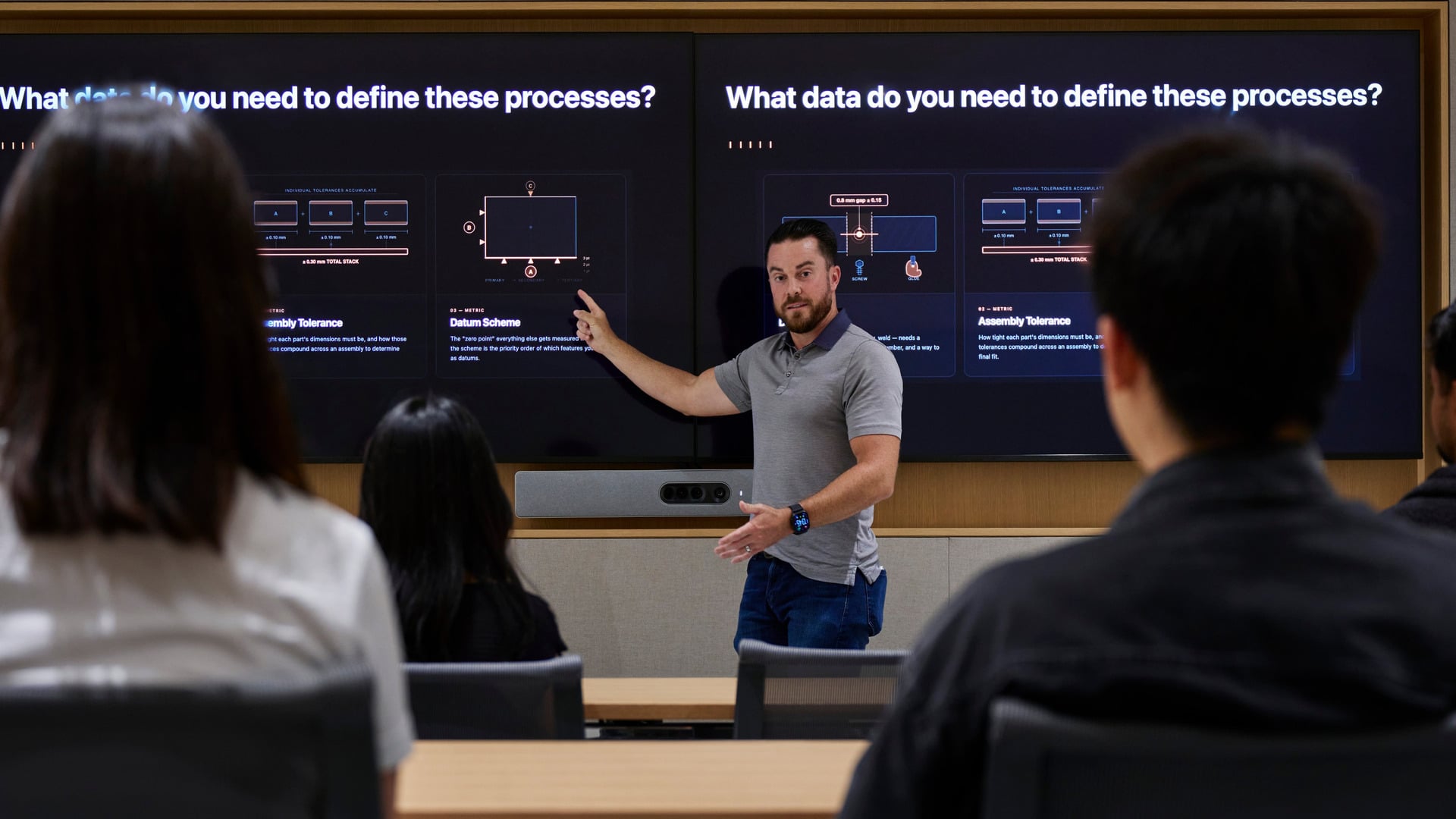
After Announcement in the Apple Newsroom The program ranges from teaching units on final assembly and circuit board assembly to workshops on a replica production plant. Participants are to learn to identify manufacturing problems in real time, control quality control using machine learning, and implement automation.
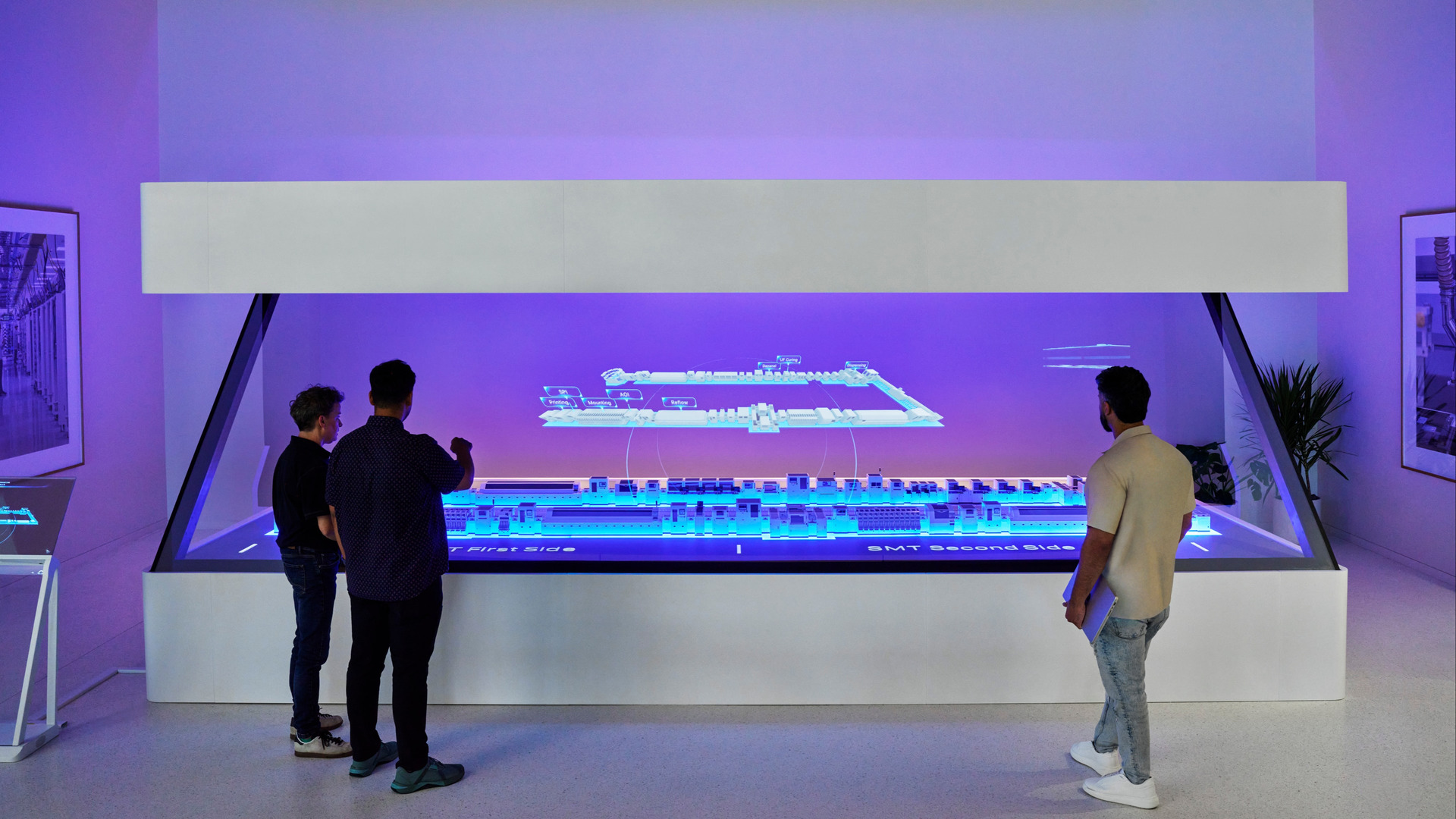
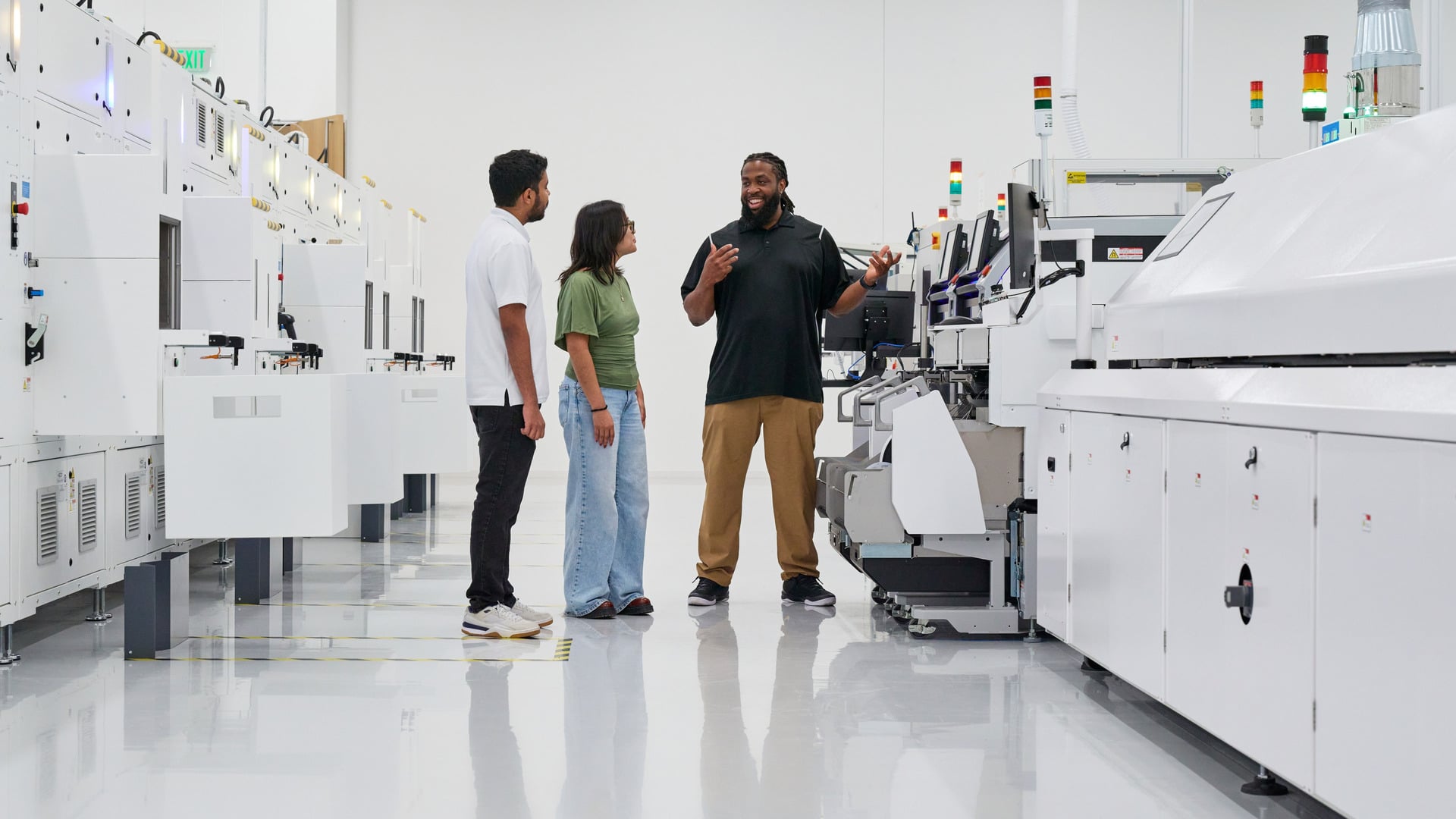
The equipment includes a holographic table and devices like those found on a real production line. On opening day, the first group will assemble and laser-engrave a product themselves.
Later, the offer will also be extended to students at local universities. Interested companies can register their interest for upcoming dates.
Detroit was the beginning
The facility builds on the Apple Manufacturing Academy, which opened in Detroit in August 2025. According to Apple, nearly 1,000 American companies have now learned there how to integrate modern manufacturing techniques and AI into their processes.
The concept extends beyond in-person events, This was evident at the Academy's first major event in May. In addition, there are virtual courses on automation, quality optimization and image processing.
Both locations are part of Apple's commitment to Investments of $600 billion in the USA. Through the American Manufacturing Program, funds have so far flowed into chip development, components and glass manufacturing.
From server factory to Mac manufacturing
The Houston facility was built at a remarkable pace. Apple says it invested several hundred million dollars there within nine months, built a factory, and began production. AI servers for in-house data centers delivered.
Mac mini production is expected to begin later this year. Apple has not specified an exact date or production quantity.
It also remains unclear which markets are supplied from Texas. Apple has not commented on this – the wording in the announcement consistently refers to American manufacturing, not the global market.
Politics as part of the performance
The opening ceremony was attended by U.S. Commerce Secretary Howard Lutnick, Senator Ted Cruz, Houston Mayor John Whitmire, Representative Christian Menefee, and County Commissioner Rodney Ellis. Texas Governor Greg Abbott contributed a written statement.
Lutnick called the opening an important step in Apple's commitment to bringing manufacturing back to America. This framing is no coincidence: Apple's US investments have been running parallel to a [missing word - likely "investment" or "project"] for the past two years. A trade dispute that has cost the company billions.
What's changing for buyers in this country
In short: nothing for now. The center is open to American companies, not European ones, and the training takes place on-site in Texas.
Caution is also advised regarding the Mac mini. As long as Apple doesn't specify which regions are supplied from Houston, it's impossible to determine the country of origin for a device purchased here – production in Asia continues.
The process is still indirectly relevant. Every relocation to the USA changes the cost structure, and Apple, based on experience, distributes these costs across all markets, not just the one in which they are incurred.
Cook's timetable speaks for itself.
On September 1st, Tim Cook will hand over the chairmanship to John Ternus. The fact that he opened a factory nineteen days earlier and declared the expansion of American manufacturing a top priority seems like a deliberate attempt to bring this topic to a close.
The situation is less comfortable for his successor. Ternus must Decide early on iPhone prices and the future course of US production – two questions that are related, because American manufacturing is more expensive than Asian manufacturing.
We expect Ternus to continue on the current course rather than changing course. The €600 billion commitment runs over several years and is politically binding; a withdrawal so soon after taking office would be difficult to justify.
Is Apple actually building industrial policy with these centers, or is it primarily good public relations in a tense trade environment? Share your thoughts in the comments. (Image: Apple)
- Back to School 2026: Up to €120 credit for Mac and iPad
- Siri AI: Apple will pay publishers for breaking news
- US smartphone market shrinks, iPhone 18 expected to be more expensive