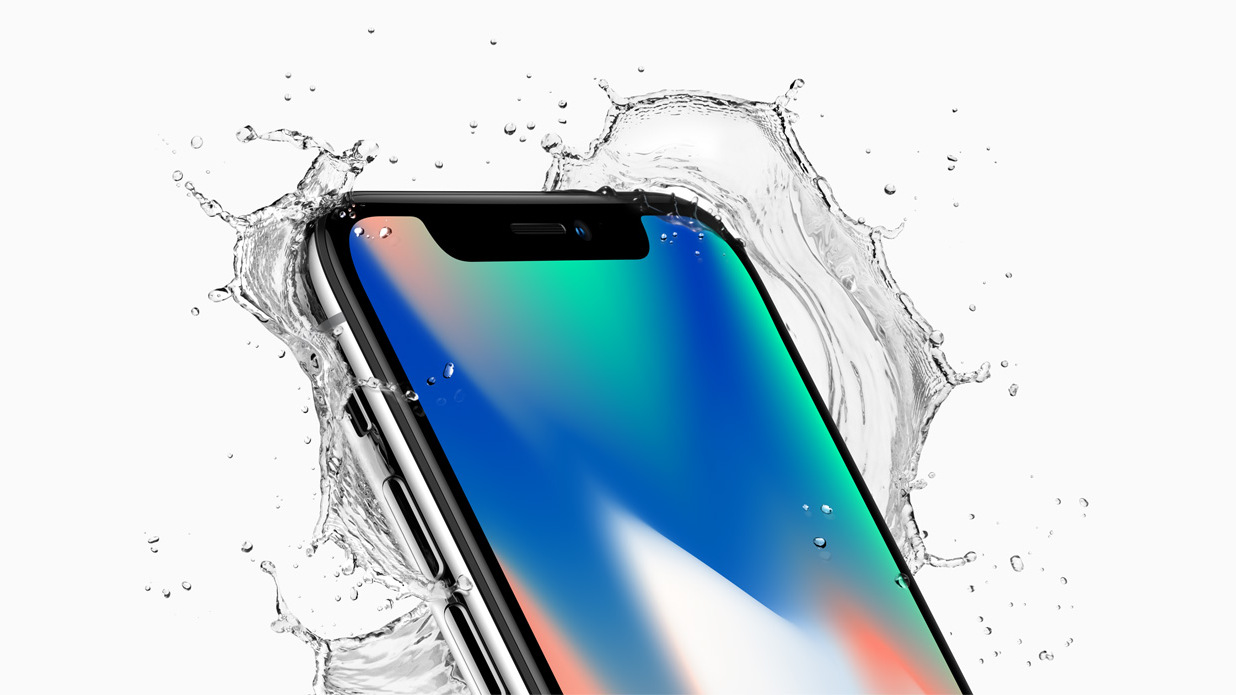
Apple has updated its support document for vintage and obsolete products. The iPhone X and the 2018 15-inch MacBook Pro now fall into the more stringent of the two categories. For owners, this means that repairs through Apple and authorized service providers are no longer possible – with one exception, which applies to the Mac.
For the iPhone X, this is the second such step within two years. Back in July 2024 , the model, along with the HomePod and the first AirPods, was placed on the vintage list, meaning repairs were only possible if parts were available.
This transition period has now ended. Apple now lists both devices as obsolete in the updated version of its support document – the document itself uses the cumbersome term "discontinued".
Key Facts at a Glance
- The iPhone X and the 2018 15-inch MacBook Pro are moving from the vintage list to the obsolete products list.
- Apple and authorized repair shops are completely discontinuing hardware service; replacement parts can no longer be ordered.
- With the MacBook Pro, a battery replacement may still be possible for up to ten years after the end of sales.
- The iPhone X's software update ends with iOS 16.7.16, and the MacBook Pro with macOS 15.7.7.
- For future devices, the EU now mandates a seven-year spare parts availability period – this does not apply retroactively.
What Apple distinguishes between vintage and outdated
Both terms are related to the time when Apple last sold a product, not the purchase date of the device.
| Status | Period after the end of sales | Service and spare parts |
|---|---|---|
| Regular | up to 5 years | unrestricted |
| Vintage | more than 5, less than 7 years | only while parts are in stock |
| Outdated | more than 7 years | No hardware service, no parts ordering |
According to the overview in Apple Support, Apple itself ultimately decides on the exact time of the classification; the seven-year mark is the earliest possible date, not an automatic one.
Only repairs carried out through official channels are affected. Independent garages will continue to operate, but will use used parts or aftermarket components.
Where both devices stand in terms of software
The iPhone X was released in 2017 and received its last major system update with iOS 16; currently, it ends at iOS 16.7.16. Apple only provides security updates for this version irregularly.
The 2018 15-inch MacBook Pro is in a better position. It can run up to macOS Sequoia and is currently at version 15.7.7 – a device that is currently without hardware service, but still runs a supported operating system.
This combination is the real crux of the matter. Those who continue using their Mac will receive software updates, but no longer be able to get repairs.
The exception is the MacBook Pro
For Mac notebooks, Apple mentions a special rule in the German support document: A battery-only service can remain possible for up to ten years after the last day of sale, provided the parts are available.
For the 2018 model, this means a window of opportunity that has not yet expired. However, this does not create an entitlement – availability is the deciding factor, and it decreases with each passing year.
Anyone who's already considering replacing their battery shouldn't put it off. For all other defects, the only option is the open market.
What EU rules will change in the future
Since June 20, 2025, the Ecodesign Regulation 2023/1670 has applied to smartphones and tablets. It obliges manufacturers to provide spare parts such as batteries, displays, and cameras for seven years after the end of sales, with delivery times of five to ten working days. Operating system and security updates are mandatory for five years after the end of sales.
This does not affect the iPhone X. The regulation applies to devices newly introduced to the EU market after the cut-off date – a 2017 model is not included.
It is nevertheless remarkable how close the two deadlines are: What Apple has so far voluntarily treated as a seven-year limit is now European law for new devices. The difference lies in the binding nature, not the duration.
Why the rating says more about software than hardware
A nine-year-old iPhone is rarely still in daily use, while an eight-year-old MacBook certainly is. That's precisely why the classification carries more weight for Macs – it affects devices that are still technically up-to-date and running a current operating system.
We expect this pattern to worsen because Apple recently extended system support for Intel Macs while hardware support deadlines remain unchanged. The gap between "still working" and "no longer repairable" will therefore widen, not narrow.
The new classification significantly impacts the resale value, as a defect now practically amounts to a total loss. Anyone still owning one of these two devices should decide now whether to keep it as a secondary device or replace it.
Are you still using an iPhone X or a MacBook Pro from this generation – and would you have it repaired by an independent repair shop? Let us know how long you typically use your devices. (Image: Apple)
- Apple opens second training center in Houston
- Back to School 2026: Up to €120 credit for Mac and iPad
- Siri AI: Apple will pay publishers for breaking news