

This article may contain affiliate links. Learn more on our Partner Program page.
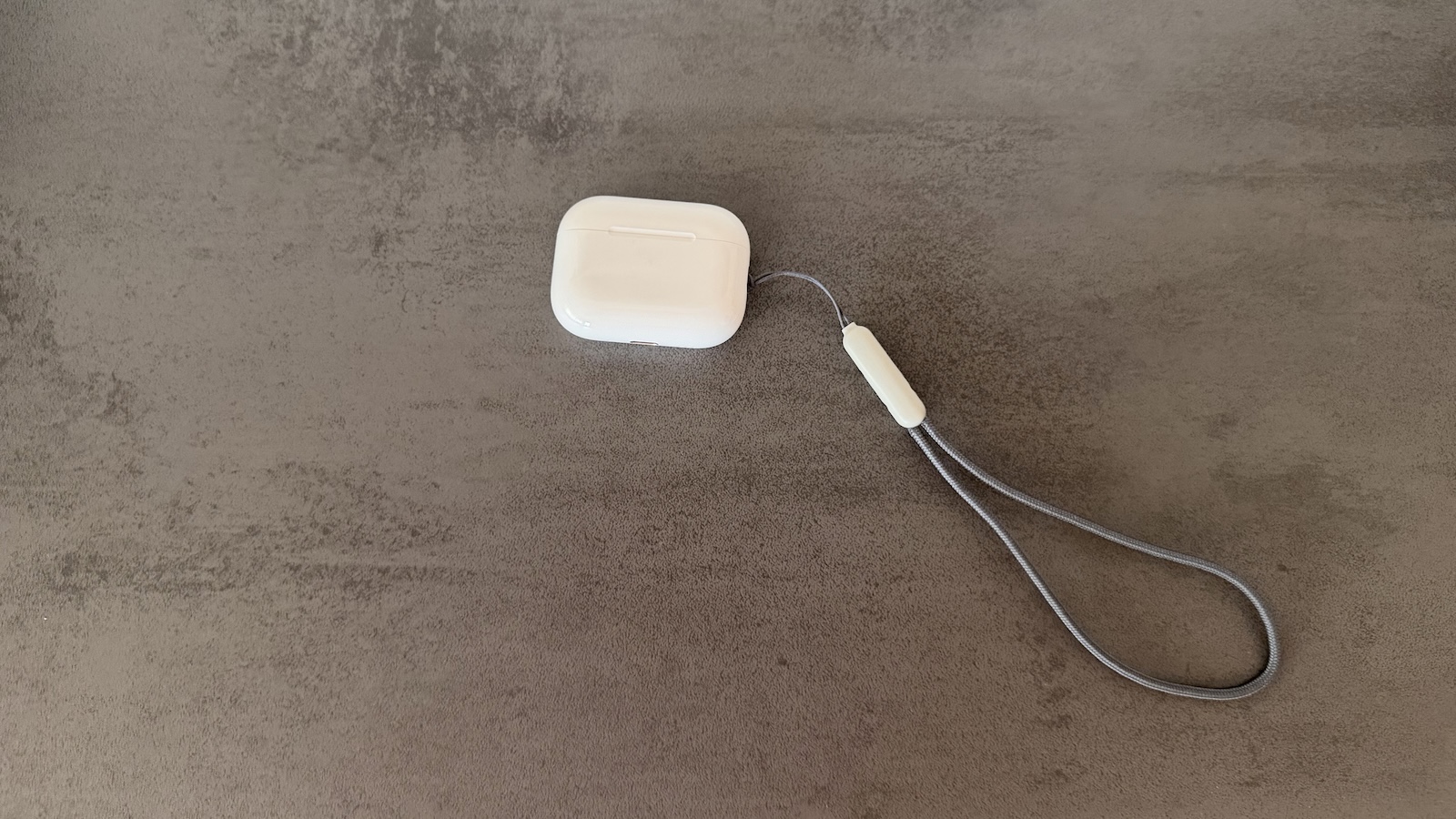
Apple's own code includes a feature that gives the next AirPods an unusual task: they will recognize which screen the wearer is currently looking at and adjust the spatial audio accordingly. If there are multiple displays in the room, the camera will determine which one is being referred to.
The strings originate from macOS Tahoe 26.7 and were compiled by a member of the MacRumors forums in a forum post. The same software had previously revealed the resolution and an indicator light for the cameras. The discovery itself is documented – what Apple will do with it and when is not revealed in the code.
Key Facts at a Glance
- The code describes how camera-based AirPods determine the screen their wearer is looking at.
- The system should be able to recognize notebooks, monitors, smartphones, tablets and televisions – even multiple devices simultaneously.
- The recognition process runs in the background and apparently pauses as soon as the wearer moves.
- If camera and Face ID data are available, the camera takes precedence.
- A second code reference mentions server-side image evaluation.
What's in the code
Today's AirPods use motion sensors to create spatial audio: if the wearer turns their head, the soundstage moves with them. The reference point, however, remains an estimate. The camera is intended to close precisely this gap by locating the actual screen and comparing its direction with the motion sensor's estimate.
According to the code, the detection is not tied to a specific device. Notebooks, monitors, smartphones, tablets, and televisions are mentioned, and the earbuds are supposed to distinguish between multiple displays in a room and focus the audio on the one currently being viewed. The entire process runs in the background and apparently stops when the wearer is moving.
Camera beats Face ID
One detail concerns devices that already assist with this. iPhones and iPads with Face ID use their sensors to determine head position. If someone is wearing camera-based AirPods, these should take priority.
In effect, this shifts a task from the phone to the earbuds. This makes sense because a screen that no one is looking at remains invisible to the Face ID sensors – for example, a television mounted on the wall. A second code reference also mentions server-side image analysis: camera data is to be sent to Apple's servers for requests to Visual Intelligence.
To which device does the find belong?
The discovery doesn't help with the timeline, and there's a reason for that. Apple has been developing two camera-based earbuds in parallel: the B790 and the B798. The B790 was a redesigned version of the AirPods Pro 3 and was slated for release this year; this model is no longer expected to be released. That leaves the B798, a new generation of AirPods Pro with low-resolution sensors, with a market launch planned for 2027.
| B790 | B798 | |
|---|---|---|
| What it is | Camera version of the AirPods Pro 3 | new generation of AirPods Pro |
| Last planned for | 2026 | 2027 |
| Current status | removed from the planning | on schedule |
The strings don't specify a model. They originate from the same software version in which B790 appears multiple times – and thus likely describe the overall functional framework for camera earbuds, not the features of a specific device. So, anyone expecting cameras in the earbuds in September will find only a conventional AirPods update in the roadmap up to October, and nothing else.
A feature that is not dependent on Siri AI
Unlike the demo video found in the same code, the screen recognition does not describe an AI function. Spatial audio with head tracking currently works without any restrictions on AirPods in Germany, Austria, and Switzerland, and the matching between the camera image and the motion sensor takes place on the device itself. Therefore, there is nothing preventing this particular feature from launching in these countries – this is our expectation based on the code, not an official statement from Apple.
Server-side image analysis is a different matter, as it depends on Visual Intelligence. For you, this means that two features of the same product may become available at different times in this country, and the more noticeable of the two is not necessarily the one that appears first.
The road to camera-enabled AirPods is getting longer
What's striking is how piecemeal the picture has become: resolution, indicator light, a demo video, now screen recognition – all from the same software version, none of it from an official announcement. In August alone, four such pieces came together, and the pace of news about Apple's earbuds has increased significantly since spring. The individual details, along with their dates, are compiled side-by-side in the collection of rumors about the AirPods Ultra. Until a device arrives, the current models remain what they are; how their sound can already be adjusted is explained in the AirPods equalizer guide for iOS 27.
- Phil Schiller is stepping down from the App Store and Apple Events
- iOS 27 Beta 8: The final step before the release candidate





Would you trust earbuds with a camera to noticeably improve spatial audio – or would the gain in sound localization not be worth the camera on your head?