

This article may contain affiliate links. Learn more on our Partner Program page.
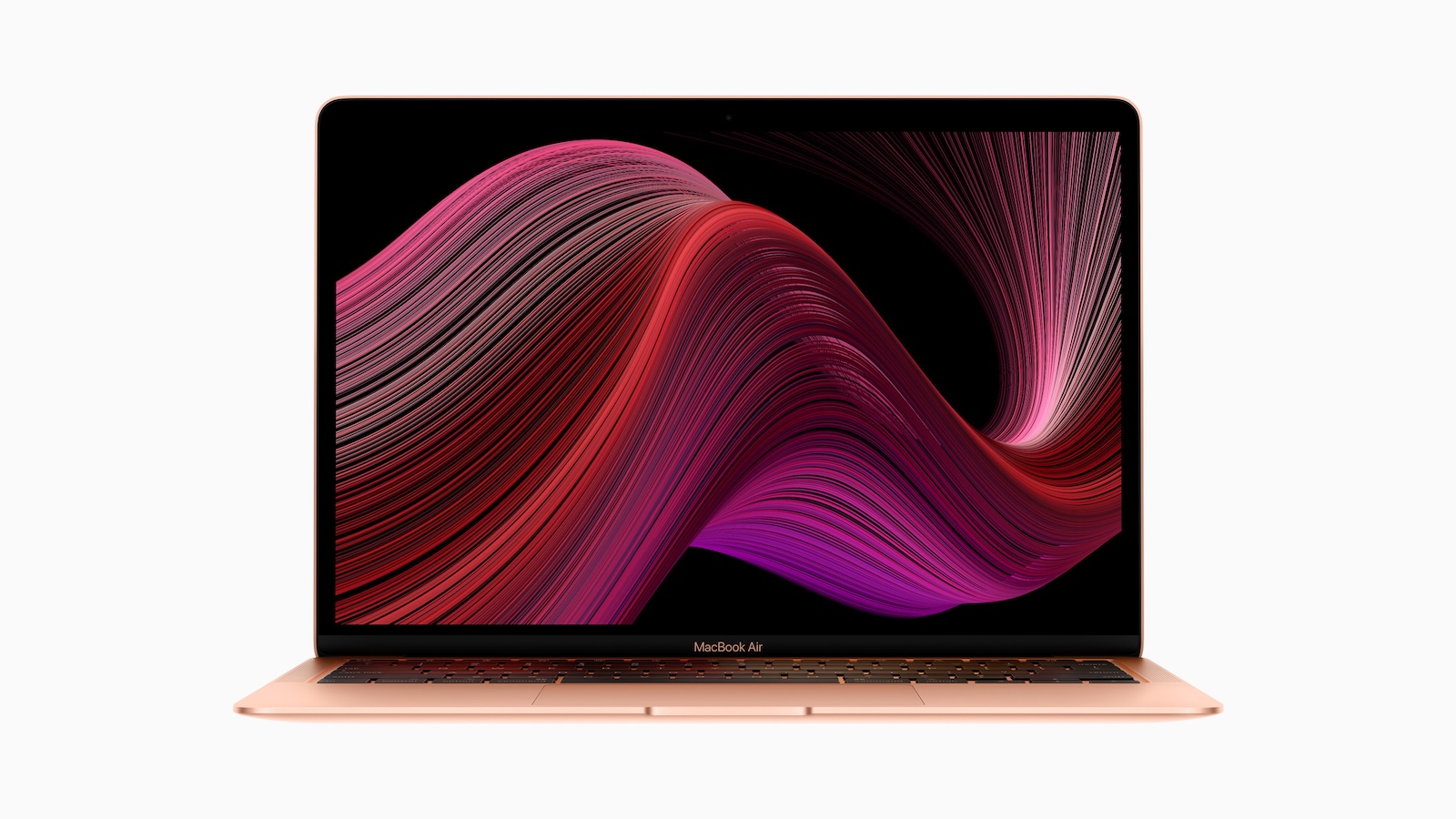
Apple has moved three notebooks from its vintage list to its discontinued product list, ending official hardware service for them. This includes the first MacBook Air with Retina display – a model that was the standard in offices and lecture halls for years.
Apple has updated its support document for vintage and discontinued products. Newly added to the more stringent of the two categories are the MacBook Air (Retina, 13-inch, 2018), the MacBook Pro (13-inch, 2018) with four Thunderbolt 3 ports, and the MacBook Pro (13-inch, 2017) with two Thunderbolt 3 ports. The iPhone X and the 2018 15-inch MacBook Pro had already undergone the same process in mid-August.
Key Facts at a Glance
- Three notebooks are moving from the vintage list to the list of discontinued products.
- Repairs through Apple and authorized repair shops are therefore no longer possible.
- There is an exception for Mac notebooks: battery replacement is possible up to ten years after the end of the sales period.
- For the 2018 MacBook Air, this step coincides with the foreseeable end of software support.
- The 13-inch MacBook Pro from 2017 was already excluded from new macOS versions three years ago.
These three models are affected
All three devices date from the final phase of the Intel era and the time of the butterfly keyboard. They share the same connectivity options: exclusively Thunderbolt 3 via USB-C, no MagSafe, and no SD card slot.
| Model | What made it special | Software version |
|---|---|---|
| MacBook Air (Retina, 13-inch, 2018) | First Air with Retina display and Touch ID, narrower bezels, lighter casing | The last supported version is macOS Sonoma. |
| MacBook Pro (13-inch, 2018, four Thunderbolt 3 ports) | First time featuring True Tone, third generation of the Butterfly keyboard | It is listed on the compatibility lists for macOS Sonoma and macOS Sequoia. |
| MacBook Pro (13-inch, 2017, two Thunderbolt 3 ports) | Processor maintenance with Kaby Lake, otherwise virtually unchanged | Sonoma is no longer supported since macOS |
What the status change practically means
Apple classifies devices as vintage for five years after they are no longer sold. During this period, Apple and authorized service providers continue to repair them as long as spare parts are available. After seven years, the device is classified as discontinued, and hardware service generally ends; spare parts are no longer manufactured.
There's an exception for laptops: Apple offers battery replacements for up to ten years after the end of sales, provided the parts are available. So, anyone still using one of these three devices and only experiencing a worn-out battery pack isn't immediately facing a problem. The situation is different for displays, logic boards, or keyboards – the butterfly keyboard, in particular, was the most common defect in these models for years.
Independent repair shops remain unaffected. They work with used and remanufactured parts and are often the only remaining option for these models.
The MacBook Air brings together two ends
The most interesting case is the Air. It was the first in its line with a Retina display and Touch ID and carried the product line for years – used models are still circulating today. Its last macOS version is Sonoma; there was no upgrade to Sequoia. Apple typically maintains two previous versions alongside the current one, providing security updates. As soon as macOS 27 is released, Sonoma is phased out of this series.
This means that with this model, hardware service and software support expire together within a few weeks. A device that is still working perfectly will then have neither a repair claim with Apple nor any prospect of security patches. This is tolerable as a secondary device without internet access, but not as a work machine. Anyone facing the question of replacement can find the current distinction in the comparison between MacBook Air and MacBook Pro.
The end of the Intel era is becoming visible
The classification is no surprise; it follows a fixed schedule. What is remarkable is the simultaneity: While the hardware support deadlines are ticking away unabated, Apple has already completed the cut-off for Intel Macs on the software side. Devices of this generation will therefore disappear from support on both sides simultaneously.



Are you still using a notebook from this Intel generation – and if it broke down, would you have it repaired in an independent workshop or would that be the point for you to switch?