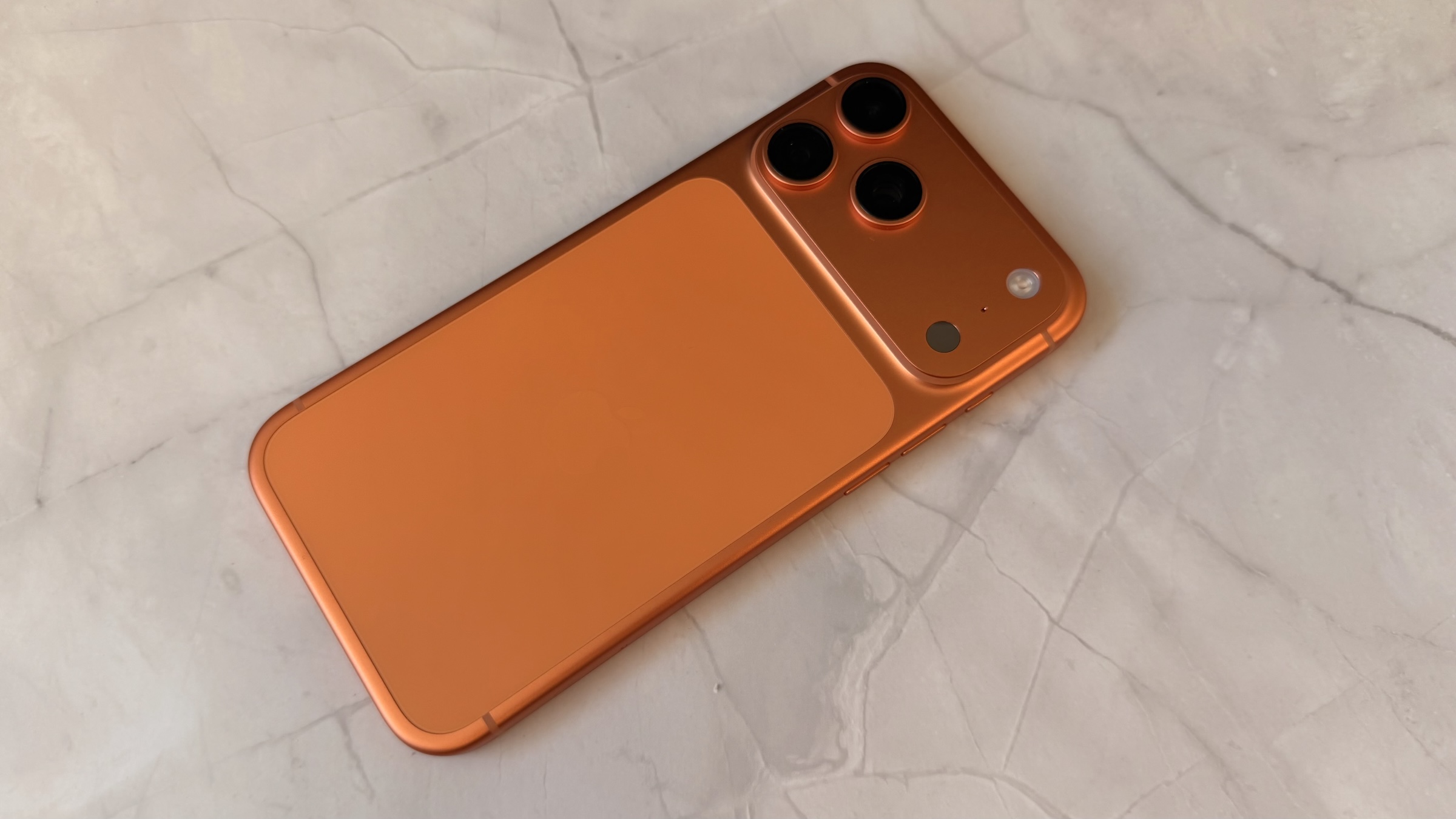
Storage has long been the most expensive component in the iPhone, and it will become even more expensive in 2027. Apple has reportedly already accepted higher prices from Samsung for the first quarter, and no relief is in sight for the supply chain. This coincides precisely with the release months of the iPhone 18 and iPhone 18e.
According to a Digitimes report, Apple has adopted Samsung Electronics' significantly higher memory prices for the first quarter of 2027. Specific figures are provided in a report from the Chinese business portal Jiemian on September 15, which cites sources from the supply chain.
With current devices, this development is already reflected in the price tag. The iPhone 18 Pro starts at €1,449 in Germany, €150 more than its predecessor; in the US, the price increase for the entry-level model was $100.
Key Facts at a Glance
- Apple is said to have accepted Samsung's memory prices for the first quarter of 2027.
- The figures given are just under $2.00 per gigabit for DRAM and just under $0.33 per gigabit for NAND flash.
- Compared to the prices of the third quarter of 2026, that would be 30 to 40 percent more.
- The imbalance between supply and demand is expected to worsen further in 2027, coinciding with the market launch of the iPhone 18 and 18e.
What is being reported about the new storage price
According to a report from China, Apple will pay nearly $2.00 per gigabit for DRAM (system memory) in the first quarter of 2027. For NAND flash memory, which makes up the device's storage, the price will be nearly $0.33 per gigabit. Both figures are said to be 30 to 40 percent higher than the rates for the third quarter of 2026.
Both reports are based on information from the supply chain; they do not cite a contract document or specify quantities. However, it is not expected that the first quarter will remain an outlier: according to Digitimes on September 14, memory manufacturers continue to conclude long-term supply contracts, and the imbalance between supply and demand is expected to worsen in 2027.
Why storage remains scarce
For months, Samsung, SK Hynix, and Micron have been increasingly focusing their production on memory for AI data centers, especially high-bandwidth memory. This leaves less capacity for conventional smartphone storage, allowing manufacturers to command higher prices.
The impact on the iPhone was estimated in August by the market research company TrendForce: Material costs for the iPhone 18 Pro were expected to rise by 38 percent, with storage being by far the most expensive component. The prices now announced for early 2027 are in addition to this estimate.
The bill arrives with the iPhone 18 in the spring
The iPhone 18 Pro demonstrates how Apple handles storage costs. In Germany, the entry-level 256GB model increased by €150, the 1TB version by €400, and the 2TB Pro Max by €650. The largest price increases are therefore in the models with the most storage capacity.
We expect Apple to follow a similar approach with the iPhone 18 and iPhone 18e this spring, primarily passing on the higher purchase prices through the larger storage capacities. If you're planning to buy one of these models, it's worth honestly assessing your needs beforehand. How much storage space you actually need often only becomes clear when you look at system data and the used storage on your iPhone.
Would you opt for the smallest storage capacity when the iPhone 18 is released in spring, given that larger versions are significantly more expensive, or is the extra storage worth the price to you? Let us know your reasoning in the comments.