The code in the first beta of iOS 27.2 contains a delete function that overwrites the entire iPhone storage with empty data. This function will not appear in this country. The reason is a Chinese standard, and Apple is already addressing the question of whether normal deletion is sufficient.
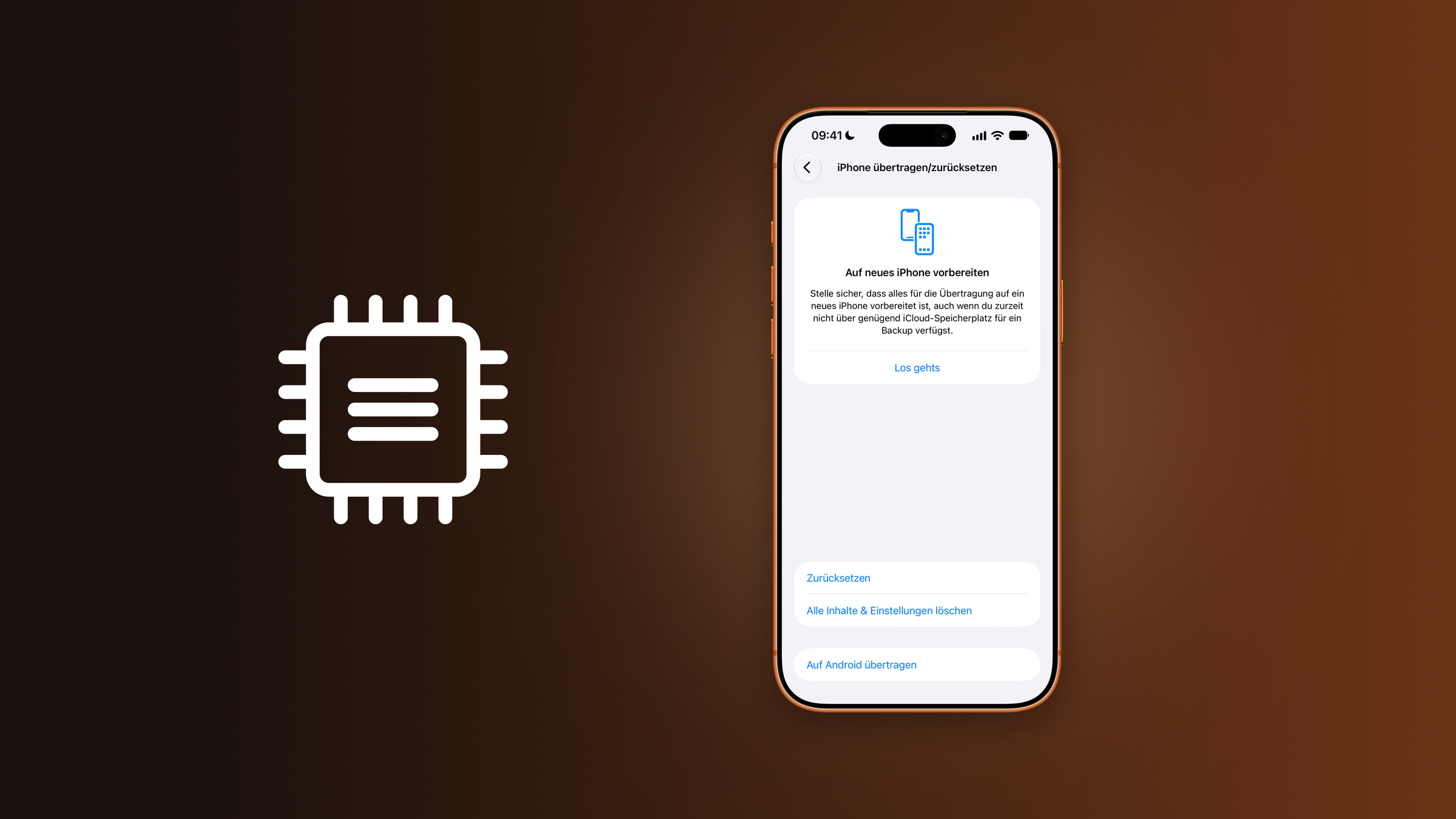
The first beta of iOS 27.2 contains references to an additional option when erasing the iPhone. This option is said to not only remove data but also overwrite the entire storage with empty data, including areas that are currently unused. According to the tooltip, this takes longer than a normal erase and can affect the device's lifespan.
The references were discovered by 9to5Mac while examining the beta. According to the code, the feature is only intended for iPhone models sold in China; the iPad, HomePod, and Apple Vision Pro also appear in the references.
Key Facts at a Glance
- iOS 27.2 Beta 1 contains references to a delete option that overwrites the entire storage.
- According to the code, it is only intended for devices sold in China.
- The background is the Chinese standard GB 46864-2025, which will apply from January 1, 2027.
- Even with normal deletion, Apple already makes the data cryptographically inaccessible.
The norm behind the function
The standard GB 46864-2025 specifies technical requirements for erasing information on electronic devices. It was published on December 2, 2025, and will enter into force on January 1, 2027. It applies to devices with non-volatile memory that are manufactured and sold in China.
The standard defines methods including overwriting with meaningless data and deleting entire memory blocks via commands to the memory chip. Specifically excluded from block erasure are merely removing the mapping between logical and physical addresses or simply marking data as invalid. There are approximately three and a half months until the deadline.
This is how the iPhone has been deleting data so far
Outside of China, the deletion process remains unchanged. According to Apple's device erasure instructions, selecting "Erase All Content and Settings" removes all keys from the so-called Effaceable Storage on the iPhone. This renders all user data cryptographically inaccessible.
This works because everything on the iPhone is encrypted anyway. According to Apple's data security documentation, the key in the Effaceable Storage is specifically designed to be quickly deleted upon request. While the data still physically resides in the storage, it can no longer be read without the key.
Why overwriting is not lacking in this country
The new option doesn't close a security gap, but rather fulfills a requirement that mandates a specific procedure. Those who sell or give away their iPhone are on the safe side with normal data erasure, and foregoing overwriting also conserves storage space, the lifespan of which Apple itself points out.
Crucial for the safe sale of an iPhone is signing out of your Apple account beforehand; otherwise, the activation lock will be activated for the new owner. "Erase All Content and Settings" is just one of the reset methods available on the iPhone; the others simply reset settings and leave the data intact.
Would you prefer to completely overwrite your iPhone before selling it, even if it takes longer and uses up storage space, or is cryptographic erasure sufficient? Let us know in the comments how much you trust the erase button.