

This article may contain affiliate links. Learn more on our Partner Program page.
One day after Apple submitted forensic analyses, OpenAI fired back. The dispute was caused by Apple itself, the document states – and its reasoning focuses on three processes within the company that every employee is familiar with.
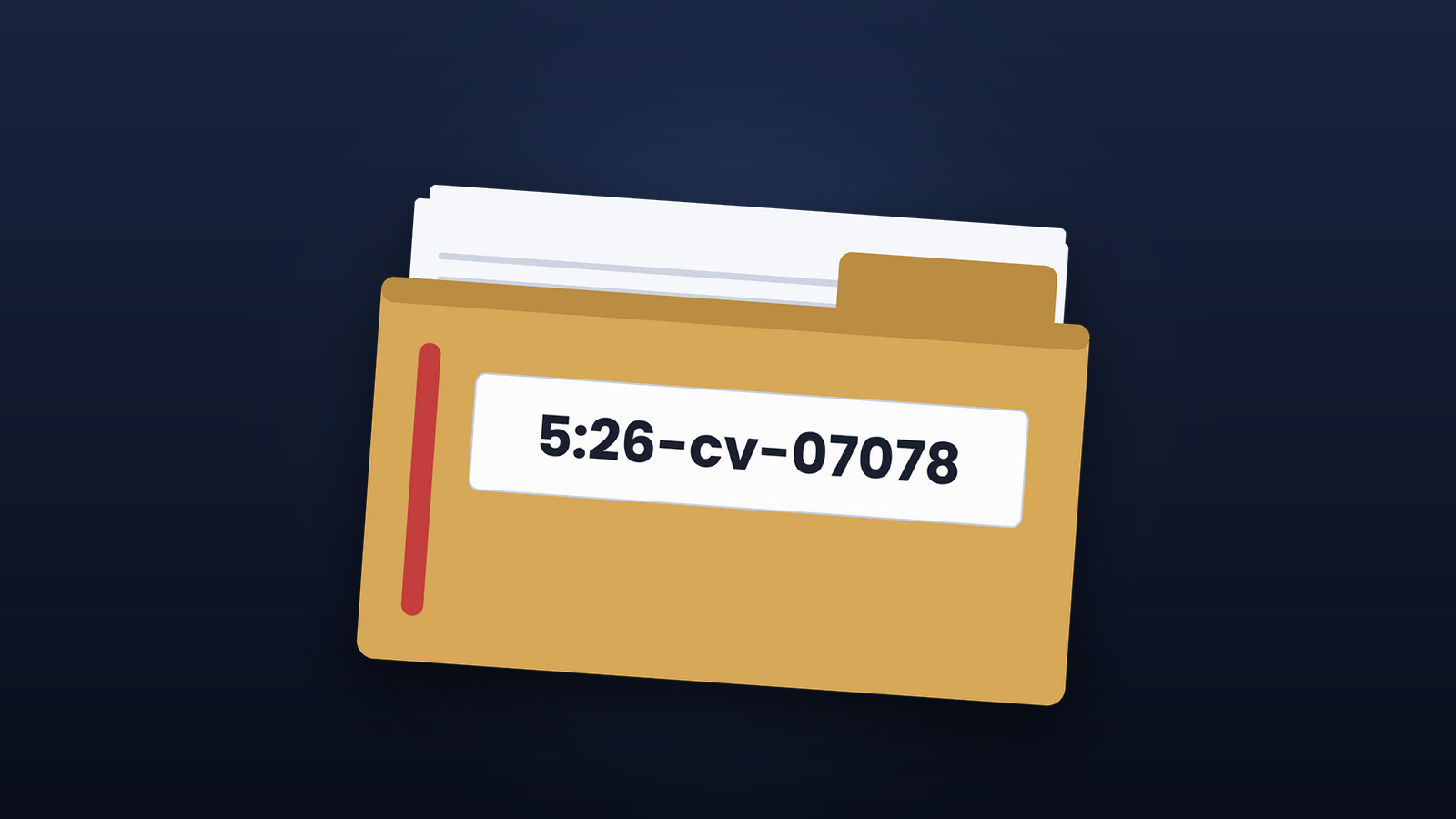
On Monday evening, OpenAI filed a response in the Federal District Court in San Jose, one day after Apple presented its analysis of a notebook. Reuters news agency reviewed and quoted from the document; the case is public and registered as 5:26-cv-06294. In it, OpenAI denies that any confidential information was leaked and reverses the accusation: Apple failed to adequately protect its own material.
Key Facts at a Glance
- OpenAI calls the dispute a mess caused by Apple itself and accuses the company of negligent procedures.
- Specifically, three practices are mentioned: private iCloud accounts for company documents, excessively short deadlines for returning devices, and inquiries to colleagues who have already left the company.
- The two defendant engineers explain that they only accessed documents after leaving their jobs at the request of former colleagues.
- The accusation targets a preliminary legal question: Trade secrets only enjoy protection if their owner has adequately secured them – in the USA as well as in Germany.
- The court will hear the urgent application on October 1st.
Three processes that OpenAI holds against the company
The written submission attributes the alleged negligence to three points. First, Apple encourages its employees to access company documents using their personal iCloud accounts. Second, departing employees are given too little time to return devices, transfer files, and hand over responsibilities. Third, former employees are often asked for help by former teammates even after they have left – which is hardly possible without access to company materials.
The legal language puts it much more bluntly: employees could leave a company that has struggled with the implementation of AI and move to a startup. Apple doesn't have to like these decisions, but it can neither declare them unlawful nor blame others for its own negligent procedures.
What the two defendants explain
Both accused engineers have issued their own statements. One claims that after leaving the company, he only accessed Apple documents because former colleagues had repeatedly asked him for help in locating files and answering questions about ongoing processes.
The other, who had worked at Apple for 24 years, explained that he returned all prototypes before leaving. He only kept non-confidential material, including a checklist for departing employees.
| Point of contention | Apple's presentation | OpenAI's presentation |
|---|---|---|
| Access after leaving the hospital | proven by the forensic analysis of a notebook | This was done at the request of former Apple colleagues. |
| Materials brought along | confidential design and supply chain data | Only non-confidential documents and prototypes were returned. |
| cause of the process | Intentional theft of trade secrets | Apple's own insufficient security measures |
Why the dispute hinges on a preliminary question
The underlying issue is not a minor legal matter. In the US, the protection of a trade secret requires that its owner has taken reasonable steps to maintain its secrecy. If OpenAI succeeds in proving otherwise, Apple loses the basis for its claims – regardless of whether the documents were actually used.
This structure is familiar to companies in German-speaking countries. Since 2019, the law on the protection of trade secrets in [country name] has also required it. § 2 number 1 letter b The regulation explicitly requires "appropriate confidentiality measures under the circumstances." It implements EU Directive 2016/943 and applies in all member states. The practical difference from the previous legal situation is that the burden of proof for these measures lies with the company, not the accused. Anyone who exchanges design data via private cloud accounts therefore risks being left without protection in the event of a dispute, even in Germany.
Apple vs. OpenAI: October 1st will be a litmus test
So far, both sides have been engaged in a barrage of written submissions, with each submission being answered the following day. The court must first decide on Apple's emergency motion; the hearing on this is scheduled for October 1st. Only then will it become clear which of the two narratives the court will actually pursue.
What is noteworthy is what the written submission does not dispute. OpenAI does not deny the use of confidential documents – the defense starts a step earlier, with the question of whether these are even protected secrets. This is the weaker position in the public eye and simultaneously the stronger one in court, because it would render proof of use simply irrelevant.




Do you consider Apple's processes to be the real weak point – or is the reference to private iCloud accounts just a clever attempt to distract from the problem?