

This article may contain affiliate links. Learn more on our Partner Program page.
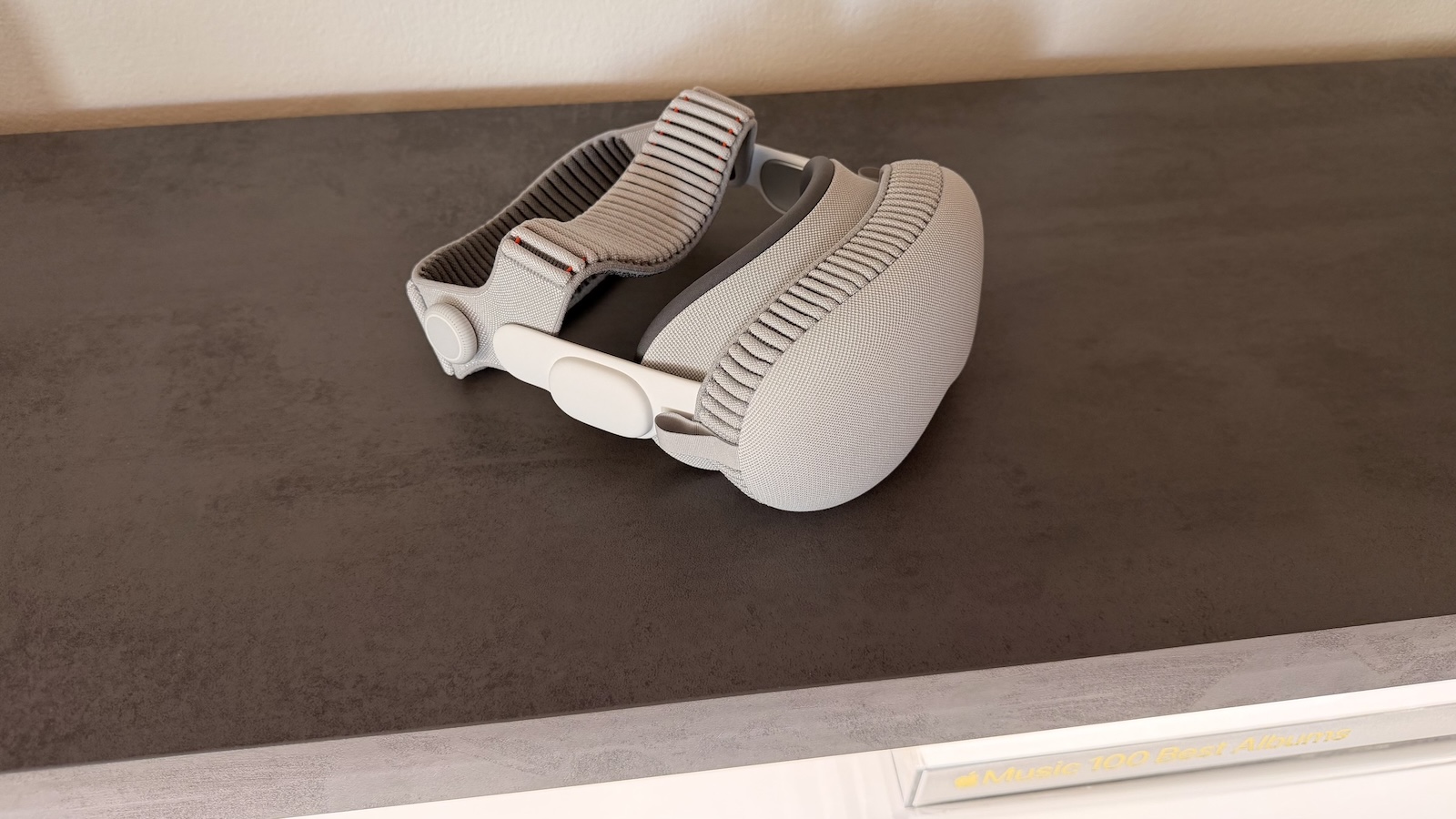
The staff reductions surrounding Apple's headset have affected more areas than previously reported – including device security, audio development, the testing department, and visionOS. This impacts software that also underpins Apple's glasses.
At the end of August, it was revealed that Apple was cutting over 200 jobs, roughly half of them in the Vision Pro division, primarily within the gaming and immersive video teams. A Bloomberg report now expands on this picture: According to the report, employees in other parts of the company who worked on the headset were also affected. The information comes from Mark Gurman, whose reports on Apple's internal restructuring have proven reliable over the years, and who relies on sources familiar with the matter; the company has not commented on this aspect.
Key Facts at a Glance
- The downsizing also encompassed device security, audio development, Siri integration, quality assurance, and visionOS.
- Because visionOS is also intended to run on the upcoming smart glasses, the change affects software used by both product lines.
- Within the Vision Group, efforts to ensure the platform's continued existence have been ongoing for months – with the new CEO.
- According to the report, the N50 eyewear project remains on track for the coming year.
- A revised successor to the headset is not expected until the end of 2028 at the earliest.
Which additional areas are affected
The initially reported cuts affected the Vision Products Group itself. Now, employees who worked on the headset outside of this group are also being affected: in device security, audio development, Siri integration, quality assurance, and visionOS.
This isn't simply an extension of the same message. The initial cuts could be interpreted as a retreat from content – fewer in-house games, less self-produced immersive video. The areas mentioned now, however, concern the very foundations of the device.
Why the cut also affects glasses
The crucial point lies in visionOS. The system is also intended to run on the smart glasses that Apple is developing under the codename N50. Anyone working on visionOS is therefore working on the software for both product lines – any reduction in this area cannot be neatly attributed to the headset alone.
According to the report, Apple is sticking to its glasses project; the launch is still planned for next year. Information about the models, timeline, and features of the Apple Glasses has been circulating for months, and this information has now formed a fairly detailed picture.
A contradiction to Ternus' public statements
Within the Vision Group, efforts have reportedly been underway for months to persuade the new CEO to stick with the platform. According to the report, colleagues who spoke with him about the headset describe him as skeptical from the start: too bulky, too expensive for a broad market. Should the device category fail to gain traction in the long term, he is said to be prepared to abandon it entirely.
This account stands in stark contrast to what Ternus said publicly in April. At that time, referring to the headset, he emphasized that they were „"only at the beginning"”. A few weeks later, it was reported that he had personally... Removal of all Vision Pro successors from the roadmap I have released it. The two positions are difficult to reconcile – the public statement is documented, everything else is based on reports of internal positions.
| Time | Occurrence |
|---|---|
| April 2026 | Ternus publicly defends the headset |
| June 2026 | Reports about the cancellation of all headset successors from the timetable |
| June 2026 | The group's hardware manager is moving to OpenAI. |
| August 2026 | Over 200 jobs cut, around half in the Vision environment |
| September 2026 | The erosion extends further than reported; visionOS is also affected. |
What remains for headset owners
For those who own the headset, the crucial question isn't whether a successor will be released, but how long the software will be supported. The report offers both reassurance and cause for skepticism: visionOS isn't disappearing because the glasses are based on it – but the team developing it has shrunk. A system intended to support two product lines will likely be further developed in the direction of the glasses rather than the headset.
We therefore expect future visionOS versions to offer fewer headset-specific features and focus on the fundamentals required by both devices. The basis for this is Apple's own promise from August that Vision Pro and visionOS would remain – a promise that guarantees continued existence, not a faster pace.


Would you buy a headset today whose successor won't arrive until 2028 at the earliest – or would you wait for the glasses?