This article may contain affiliate links. Learn more on our Partner Program page.
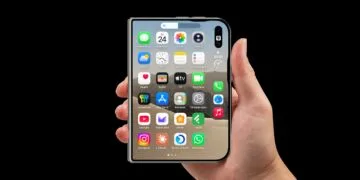
Controls on the side instead of at the bottom, two home screen pages side by side, and a Dynamic Island that runs vertically: Apple has described how iOS 27 behaves on the foldable iPhone. Four camera features are exclusive to this device.
The iPhone Duo will be available in stores on October 23rd, with pre-orders starting October 16th. Prices start at €2,299. Apple has detailed how the system interface adapts to the device's 5.4-inch and 7.6-inch screen sizes in its announcement for the iPhone Duo. This is based on iOS 27, a release candidate of which has been available since this week – however, the Duo will ship with iOS 27.1.
Key Facts at a Glance
- Controls on the lock screen, the dock and app navigation are located on the side instead of at the bottom.
- When opened, the display shows two home screen pages, with the "Today" view to the left.
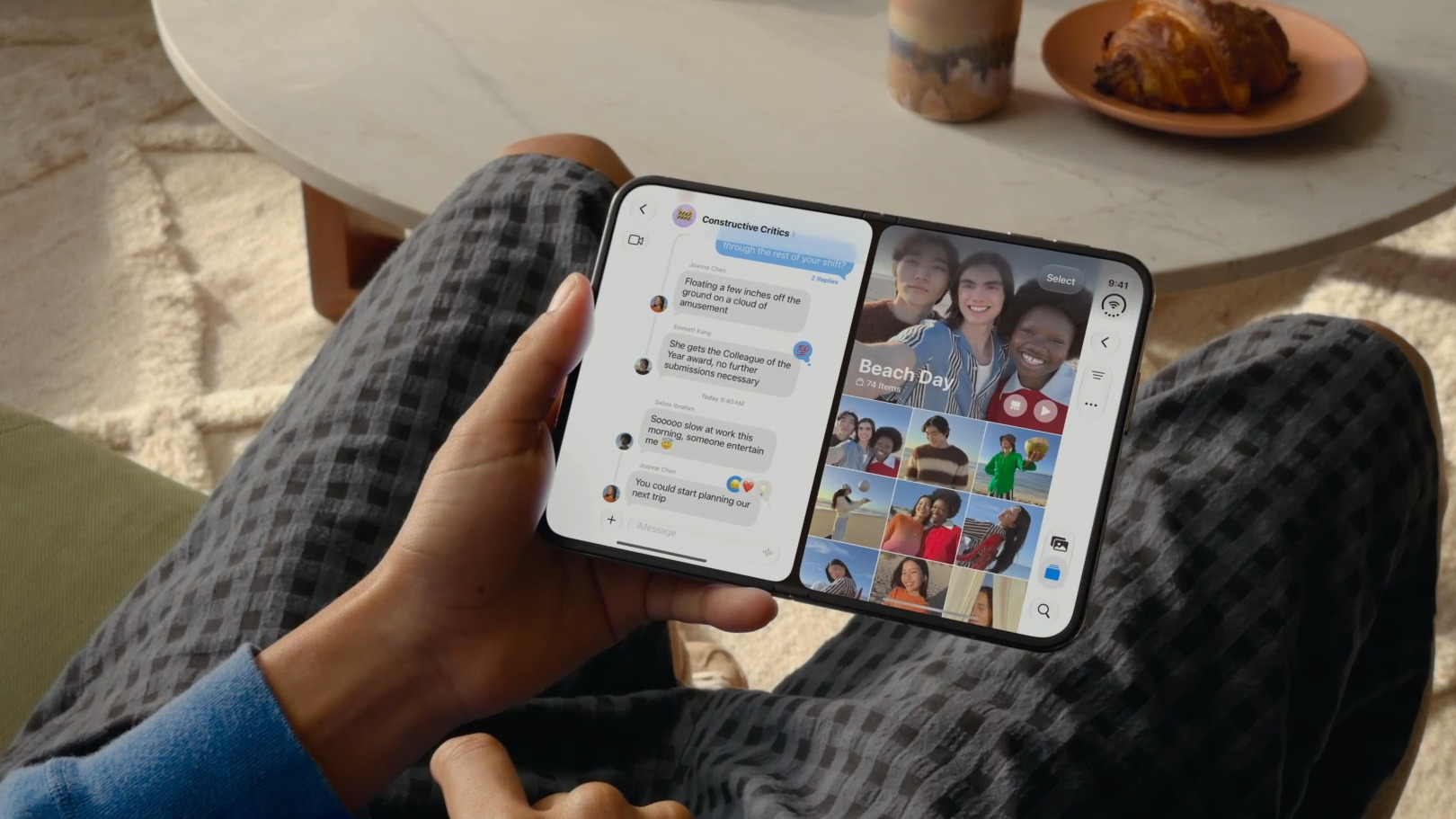
- Split View brings two apps side-by-side to an iPhone for the first time.
- Four camera functions require the second display and do not work on any other iPhone.
- The Duo will ship with iOS 27.1, not with the version from September 14th.
Controls move to the edge
The most noticeable change is the layout. What was previously located at the bottom of the screen is now on the side of the Duo: the lock screen controls, the dock, and in-app navigation. The reason is simply space – this leaves more vertical space for content.
The status bar is no longer a bar, but a round, flexible element in the corner of the display that shows Wi-Fi, mobile signal strength, and battery level. The Dynamic Island runs vertically along the edges, both inside and out, and flips open for live activity.
When opened, the inner display shows two home screen pages simultaneously, with the "Today" view and its widgets on the left. The system doesn't just react to being open or closed: content adjusts when folded, rotates when tilted, and switches to the currently visible display when the device is turned over.
Split View is coming to the iPhone
The ability to run two apps side-by-side was previously unheard of on the iPhone. The inner display now allows two applications to be opened simultaneously, including two windows of the same app – Apple cites two Safari windows for a product comparison as an example. App pairs can be saved and later accessed again.
For readers in Germany, Austria, and Switzerland (DACH region), there's a limitation that Apple itself mentions in the footnotes of the announcement: Siri AI will not initially launch on iOS in the EU. Those who want to run the assistant on one half of the screen while displaying content on the other will not be able to do so for the time being.
Four camera functions just for the Duo
Because one display faces outwards while the main cameras are pointed towards the subject, applications are created that no other iPhone offers.
| Feature | What she does |
|---|---|
| Smart Take | Models on the A20 Pro analyze the scene and trigger the shutter as soon as everyone is in position. |
| Duo Preview | Live preview on the outer display so the person being photographed can see the framing. |
| Kid Cue | Peanuts animations on the outer display to attract children's attention |
| Duo FaceTime | People nearby can join an ongoing video call via the external display. |
In addition, there is a selfie via the rear cameras with a preview on the outer display – higher resolution than via the front camera, without having to sacrifice the image framing.
Standby becomes a second home
When the device is switched off, the upward-facing display always goes into standby mode, regardless of whether it is charging. New watch faces for calendar and weather complement the existing "Clock" and "Modular" versions, and the photo watch face now displays split albums. Colors, fonts, and complications can be customized even further than before.
Netflix, Zoom, and Slack have already updated their apps. For all other developers, new interfaces are available in the current SDKs, and the Duo will soon be integrated into the Device Hub in Xcode.
Why September 14th is not the date here
iOS 27 is released on Monday – but the Duo features won't be available on existing devices because they simply don't exist without a second display. The Duo itself will ship with iOS 27.1. So, between the system launch and the device itself, there will not only be five weeks, but also a version number.
In practical terms, this means that anyone wanting to see the interface in action will have to wait until the end of October. It also means that Apple has deliberately taken time beyond the regular system launch to fine-tune the folding mechanism.
One detail for local customers is hidden in another footnote: iPhone Handoff, which allows two iPhones to share the same phone number, will initially only be available from Telekom in Germany. We described how the feature works when it was announced.
iPhone Duo: What matters from October 23rd onwards
The real question with a foldable device is never the hardware, but whether the software can handle the change in form without becoming cumbersome. Apple's description reads convincingly – whether rearranging items to the edge is practical in everyday use will only be determined by using the device itself.
Which of the four Duo features would you actually use – or is Split View on a 7.6-inch display the only thing that justifies the extra cost? Let us know in the comments what's important to you.