
This article may contain affiliate links. Learn more on our Partner Program page.
The new iPad mini is available with nanotexture glass for the first time, and on the small reading tablet, that sounds like a logical idea. However, in Germany and Austria, the option costs €130, and the base model is excluded. Whether it's worth it depends primarily on where the device is used.
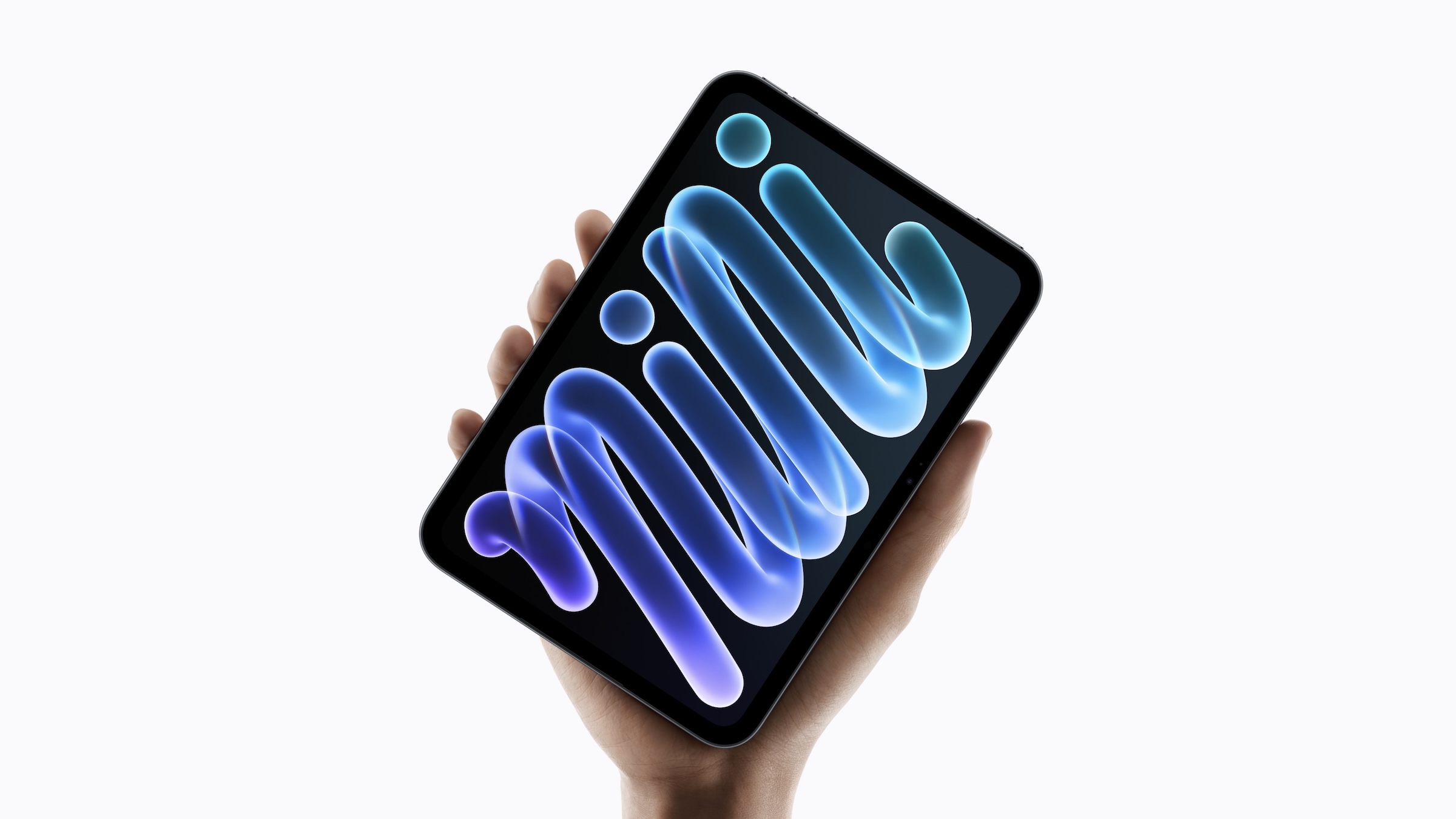
With the iPad mini featuring the A20 Pro chip, Apple brings OLED to the smaller iPad line and offers a display with nanotexture glass, a feature not found in its predecessor with the A17 Pro chip. The device will be available in stores starting November 6th; further information can be found on the iPad mini page.
The technical specifications are taken from Apple's datasheet and the press release for the iPad mini, the prices from the Apple Stores in Germany, Austria, and Switzerland. In addition, the first reviews are included, which offer differing opinions on the glass.
Key Facts at a Glance
- Nanotexture glass is only available for the iPad mini with 256 or 512 GB; the 128 GB model is excluded.
- The iPad mini with 256 GB costs from 879 euros in Germany, and with nanotexture glass from 1,009 euros.
- The glass scatters the ambient light and thus reduces glare, but it does not increase the brightness of the display.
- Several tests praise its effectiveness in bright light, but opinions differ regarding its impact on the OLED image.
- A polishing cloth is included; separate cleaning rules apply.
What the glass does
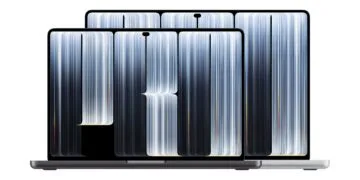
Nanotexture glass is glass etched at the nanometer scale. According to Apple, it scatters ambient light instead of reflecting it, thereby reducing glare. Apple suggests it is suitable for outdoor work, travel, and creative work on the go.
The display brightness doesn't increase as a result. It remains at a maximum of 600 nits for SDR content and a peak of 1,200 nits for HDR content; the glass reduces reflections. The standard glass also has an anti-reflective coating.
The price: 130 euros plus the requirement for more storage
The calculation involves two tiers. Because the 128GB model is not an option, the iPad mini with nano-texture glass doesn't start at the entry-level price, but rather with the 256GB model.
| Wi-Fi model | DE/AT | CH |
|---|---|---|
| 128 GB, standard glass | from €749 | from CHF 679 |
| 256 GB, standard glass | from €879 | from CHF 779 |
| 256 GB, nanotextured glass | from €1,009 | from CHF 879 |
With the same storage capacity, the price difference is therefore €130 in Germany and Austria, and CHF 100 in Switzerland. Compared to the cheapest iPad mini, it's €260 or CHF 200 respectively, but you also get double the storage capacity.
For the iPad Pro, Apple requires 1TB or 2TB of storage for nanotexture glass, and the device starts at €1,299 even without it. In comparison, the entry-level price for the iPad mini is low.
What the first tests say
Three reports confirm the effectiveness against reflections. Engadget describes the iPad mini as significantly more usable with a bright light source nearby, but also notes the high cost. TechRadar considers the combination of OLED and nanotexture successful and the glass particularly useful in direct sunlight, though they did not directly compare the two types of glass. 9to5Mac also observes fewer reflections in many lighting conditions.
Opinions differ regarding the picture quality itself. Apple promises that no compromises are necessary in terms of contrast and color accuracy. 9to5Mac notes a slight loss of color vibrancy compared to glossy OLED, but considers it very minor. Gizmodo would prefer the device without the glass, as it diminishes some of the best qualities of OLED.
9to5Mac believes the glass is particularly well-suited for reading: a thinner and lighter casing, nanotexture glass and water resistance make the iPad mini the most convincing e-reader among iPads.
Cleaning: The polishing cloth is included
The model with nanotexture glass includes a polishing cloth. Apple's current cleaning instructions for nanotexture glass also mention other microfiber cloths for displays and fabrics made of cotton and elastane. For stubborn stains, the cloth can occasionally be moistened with 70% isopropyl alcohol.
The iPad mini is not yet listed in the instructions. However, Apple states that while the nanotexture varies from product to product, the cleaning methods are the same.
For whom the glass is worthwhile
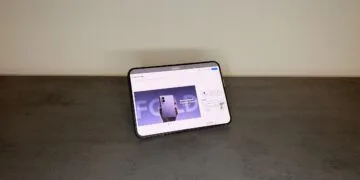
I think nanotexture glass makes more sense for the iPad mini than for most other devices because this tablet is used practically everywhere: on a park bench, on a train, by the window on a plane. If you read a lot on the go or often work in bright rooms with windows and overhead lights, then 130 euros is a worthwhile investment.
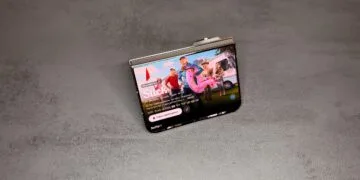
The situation is different if the device is primarily used in the evenings on the sofa. There's little glare there, and those who specifically opt for the new model because of its OLED display for watching series and viewing photos will get a more immediate picture with the glossy screen. In that case, you can save the 130 euros.
Those who would have bought a 256GB model anyway will find the decision easier. Those who would normally only need 128GB are essentially paying twice for the larger glass. The iPad buying guide helps you determine which iPad is right for you, and the comparison with the slightly larger iPad Air highlights the differences.
Where would you primarily use your iPad mini: outdoors and on the go, where the €130 price point matters, or on the sofa, where the glossy OLED display really shines? Let us know in the comments where reflections on the tablet bother you the most.
Frequently Asked Questions: iPad mini with nanotexture glass
In Germany and Austria, the Wi-Fi model with 256 GB and nanotexture glass costs from €1,009, and in Switzerland from CHF 879. With standard glass, the prices start at €879 and CHF 779, respectively.
No. Apple only offers nanotexture glass for the iPad mini models with 256 GB or 512 GB of storage.
The lens diffuses ambient light instead of reflecting it, thus reducing glare. This is especially helpful outdoors and in bright rooms. Peak brightness reaches up to 1,200 nits with both lenses.
Apple claims there have been no compromises on contrast and color accuracy. Initial reports are mixed: 9to5Mac notes a very slight loss of color vibrancy, while Gizmodo would prefer the device without the glass.
Yes, a polishing cloth is included with the nanotexture glass option. It is not included with the models that have standard glass.
Apple calls this a polishing cloth; others use microfiber cloths for displays and fabrics made of cotton and elastane. For stubborn stains, the cloth can occasionally be moistened with 70% isopropyl alcohol. The iPad mini is not yet on Apple's device list, but according to Apple, the methods are the same for all products.
This is especially beneficial for those who read a lot on the go or often work in bright environments. If, however, the device is mainly used at home in the evenings, the standard glass is likely the better choice.