This article may contain affiliate links. Learn more on our Partner Program page.
Shortly before pre-orders begin, the first benchmark result for the iPhone Duo appears in the Geekbench database. At first glance, it seems significantly weaker than the figures circulating for the iPhone 18 Pro in September. However, this difference is almost entirely due to a version change in the benchmark – not to the device itself.
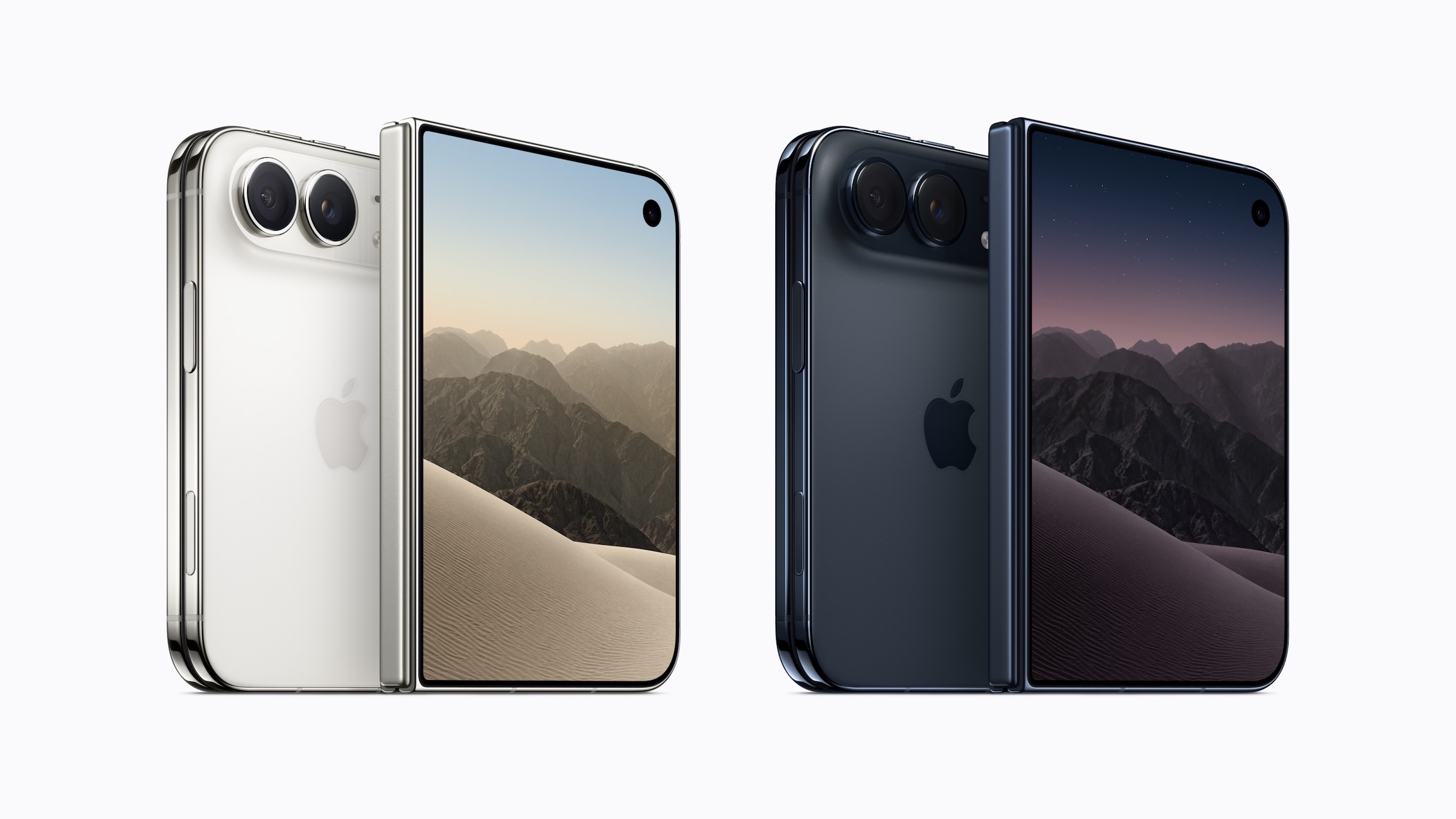
The iPhone Duo uses the same A20 Pro chip as the iPhone 18 Pro and iPhone 18 Pro Max. This is stated in Apple's press release for the iPhone Duo, which claims the six-core CPU offers up to 20 percent more performance than the A19 Pro. The remaining specifications of the foldable device can be found in the overview of all iPhone Duo data, prices, and release dates.
The first entry for the iPhone Duo in Geekbench 7 is now available, uploaded on October 14th. It uses the Duo device identifier, runs iOS 27.1, and achieves 3,986 points in single-core and 11,067 points in multi-core.
Key Facts at a Glance
- The iPhone Duo achieves 3,986 points in Geekbench 7 in single-core and 11,067 in multi-core.
- Compared to measured values of the iPhone 18 Pro in the same benchmark version, it lags behind by about 1 percent in single-core and about 4 percent in multi-core.
- The known scores of 4,719 and 12,677 points for the iPhone 18 Pro come from Geekbench 6 and are not comparable with the new entry.
- Apple itself promises the duo up to 35 percent more sustained performance than the iPhone 17 Pro, and up to 40 percent more than the iPhone 18 Pro.
- A short benchmark run reveals nothing about the behavior under sustained load.
What the entry shows
The chip features a six-core CPU in two clusters with two and four cores, and a base clock speed of 4.93 GHz. This corresponds to the A20 Pro's architecture with two performance cores and four efficiency cores, and the clock speed that already appeared in the initial listings for the iPhone 18 Pro.
Geekbench reports 11.30 GB of RAM. This corresponds to a 12 GB module, of which the system reserves a portion. Apple itself does not disclose the amount of RAM in iPhones. The entry does not include graphics values, as the GPU was not tested.
The Duo ships with iOS 27.1, which is automatically installed as an update during setup. This entry is already running on this version.
Why the comparison with the 18 Pro can go wrong
The first benchmark results for the A20 Pro, dated September 10th, showed 4,719 points in single-core and 12,677 in multi-core for the iPhone 18 Pro. The database entries for the iPhone 18 Pro benchmark are from Geekbench 6. The new Duo entry comes from Geekbench 7.
Primate Labs released Geekbench 7 in July, changing the test tasks, datasets, and scoring system. The multi-core test now only utilizes multiple threads where the simulated application also does so. Therefore, the scores from the two versions cannot be directly compared.
Anyone who does so anyway will end up with a deficit of around 15 percent in single-core and around 13 percent in multi-core – a gap that has nothing to do with the device itself. A fair comparison requires Geekbench 7 scores from the iPhone 18 Pro.
The gap in the same benchmark version
These figures come from Tom's Guide's performance test, which measured both Pro models in Geekbench 6 and Geekbench 7. In Geekbench 7, the iPhone 18 Pro achieved 4,022 and 11,543 points, while the Pro Max scored 4,025 and 11,525 points.
| Device | Geekbench 7 Single-Core | Geekbench 7 Multi-Core | Geekbench 6 Single-Core | Geekbench 6 Multi-Core |
|---|---|---|---|---|
| iPhone Duo (database, 14.10.) | 3.986 | 11.067 | – | – |
| iPhone 18 Pro (Review) | 4.022 | 11.543 | 4.735 | 12.800 |
| iPhone 18 Pro Max (Review) | 4.025 | 11.525 | 4.741 | 12.789 |
| iPhone 18 Pro (database, 10.09.) | – | – | 4.719 | 12.677 |
Compared to the iPhone 18 Pro, the duo lags behind by 0.9 percent in single-core performance and 4.1 percent in multi-core performance. The Pro Max lags by 1.0 and 4.0 percent, respectively. Individual runs will fluctuate by this amount anyway, and a single entry from the database doesn't provide a more precise conclusion.
Where the devices differ despite having the same chip
Same chip doesn't mean same cooling. Apple combines the A20 Pro in the Duo with a vapor chamber specifically designed for the device, and a graphite tube in the hinge distributes heat between the two halves of the device. An additional display engine controls the inner and outer displays simultaneously.
Apple itself differentiates in terms of sustained performance. The duo is said to offer up to 35 percent more sustained performance than the iPhone 17 Pro, while Apple cites up to 40 percent for the iPhone 18 Pro in its announcement about the Pro models. The stress test by Tom's Guide demonstrates just how significant the cooling is with an identical chip: The iPhone 18 Pro maintains 62.8 percent of its graphics performance, while the Pro Max maintains 79.4 percent.
A Geekbench run is over quickly and doesn't reach this state. How the iPhone Duo performs after extended gaming or video editing will only be revealed by tests with retail devices.
Top performance is not the question for this duo
I consider this entry a confirmation without surprise: The chip delivers in the Duo what it delivers in the 18 Pro. Anyone hesitant about the Duo's processing power can now consider that point settled. The remaining question is sustained performance, and Apple has already set expectations somewhat lower with its own figures compared to the Pro.
Those torn between the two devices will be deciding on display, camera, and price – the choice between the iPhone Duo and the iPhone 18 Pro is not based on the processor. In Germany, the Duo starts at €2,299 and can be pre-ordered from Friday, October 16th, at 2 PM.
Do you play on your iPhone long enough to notice a five percentage point drop in sustained performance – or is the larger display the only thing that matters to you with the Duo? Tell us in the comments what you actually need the extra performance for.