This article may contain affiliate links. Learn more on our Partner Program page.
Since July, Apple has accused OpenAI of obtaining trade secrets through poached employees. Now OpenAI is turning the tables: An engineer allegedly took more than 100 files relating to an unreleased OpenAI device with him before returning to Apple. Apple denies this.
In July, Apple sued OpenAI over AI hardware. Besides OpenAI and io Products, former Apple employees Chang Liu and Tang Yew Tan are also defendants. It wasn't until October 13 that District Judge Edward Davila partially granted Apple expedited access to evidence.
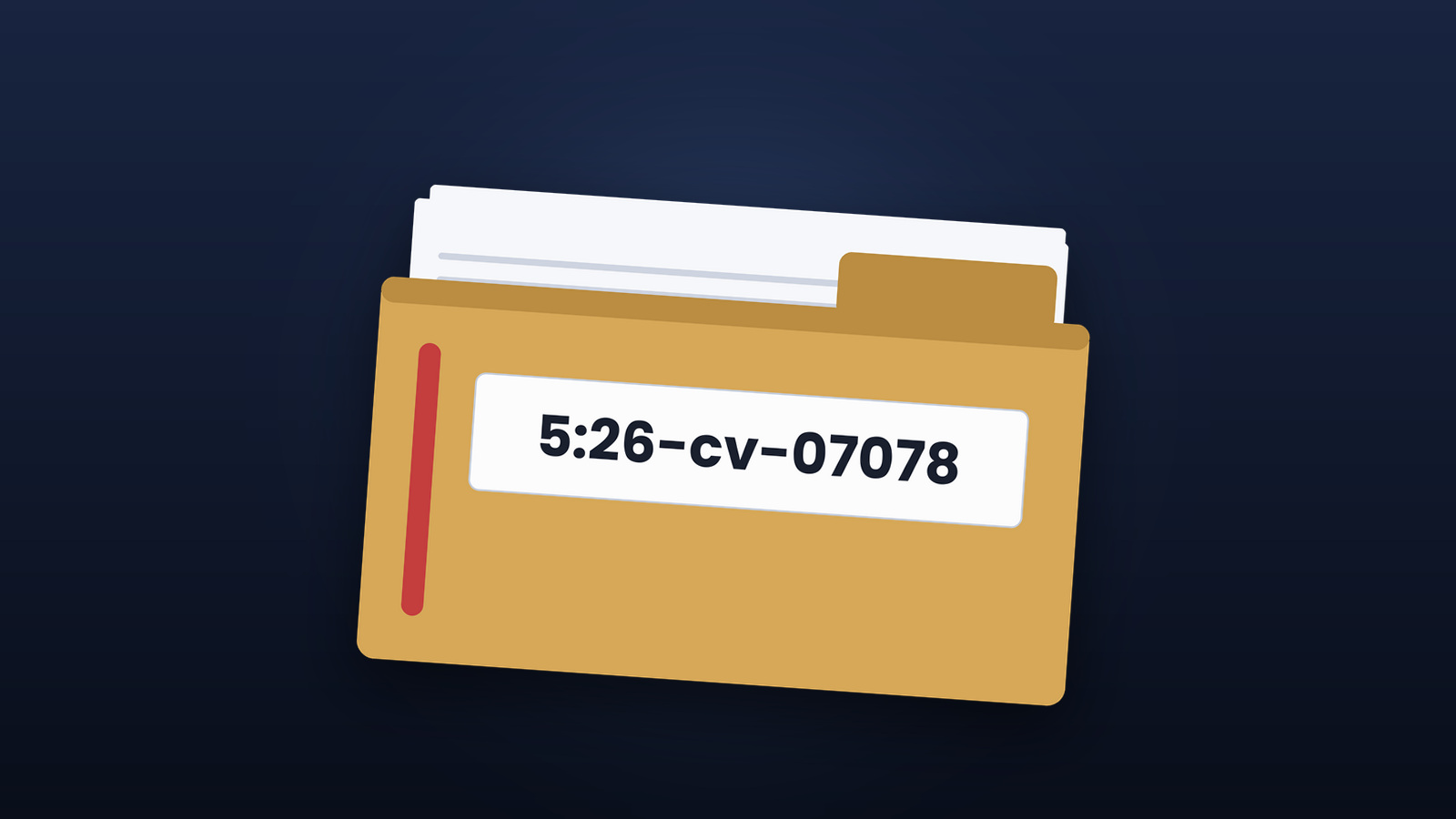
On October 14, OpenAI submitted its own written pleading in the same proceedings (Document 176, Ref. 5:26-cv-07078, ND Cal.). This pleading no longer focuses solely on Apple's allegations, but rather on a case in the opposite direction.
Key Facts at a Glance
- An engineer reportedly moved from Apple to OpenAI, worked there for six months, and returned to Apple in June.
- According to OpenAI, he sent more than 100 confidential files to private accounts on at least one unpublished device.
- He then reportedly presented OpenAI's plans to Apple's management.
- OpenAI will investigate whether Apple owns or uses the information and reserves the right to file its own lawsuits.
- Apple stated that it had found no evidence to support the allegations.
What OpenAI accuses the returning employee of
According to the written statement, the engineer's last day of work at OpenAI was June 2, 2026. OpenAI does not name him. Among the files taken with him are said to be detailed images of the device, technical and manufacturing data, supplier information, project files, surface treatment standards, and reports on the coating and sealing of hardware components.
According to OpenAI, the engineer gave a presentation about the device plans to high-ranking executives at Apple, including the vice president responsible for operations in Asia. In its written statement, OpenAI expresses "deep concern" that its trade secrets are now circulating within Apple. Apple is currently making a new push in AI products.
The document does not specify which device is meant. So far, only reports suggest that OpenAI's first device will be a speaker with a camera.
OpenAI has not yet filed a lawsuit
OpenAI has not yet filed a countersuit. The company is requesting time and access to documents from the court to determine whether Apple possesses or has used the information. Only then will OpenAI decide whether to pursue its own claims. According to OpenAI, it raised the matter directly with Apple but did not receive sufficient reassurance.
Apple told Reuters it had found no evidence to support OpenAI's allegations. Furthermore, Apple stated it has policies in place to prevent new employees from using confidential information from previous employers.
The judge is inclined to grant Apple's order
On the same day, Apple's motion was heard in court. According to Bloomberg Law, Davila considers it very likely that he will grant Apple's request for an injunction. This would prevent OpenAI from using the secrets allegedly originating from Apple. However, he deemed a forensic examination of all devices and data at OpenAI too far-reaching a demand. Apple's lawyer subsequently announced that it would limit the examination to a few former employees.
| Date | Step in the process |
|---|---|
| June 2, 2026 | The engineer's last day at OpenAI, after which he returns to Apple |
| July 2026 | Apple is suing OpenAI, Chang Liu, and Tang Yew Tan |
| October 13, 2026 | Davila partially grants Apple a quick evidentiary hearing |
| October 14, 2026 | OpenAI submits the legal brief regarding the returnee |
A formal ruling has not yet been issued. OpenAI's request to dismiss the lawsuit entirely is also still pending.
Why the counter-accusation can still affect Apple
I consider this legal action primarily a tactical move. OpenAI is on the verge of receiving an injunction that could slow its own hardware development, thus shifting the focus to the question of whether Apple itself is operating ethically. So far, only OpenAI's claims have been substantiated, and Apple explicitly denies them.
The accusation cannot be easily dismissed. It describes the same pattern that Apple accuses OpenAI of: a transfer between the two companies and confidential data changing employers along with them. The more the evidence reveals in both directions, the harder it will be for Apple to portray itself solely as the injured party.
Do you see OpenAI's accusation as a genuine case, or primarily a maneuver to distract from the impending injunction? Let us know in the comments which side you're on in this dispute.