
The fifth beta of iOS 26.6 includes a previously unknown security feature: If the system detects a potentially harmful message, it will now display a warning and offer to report the incident to Apple for analysis. However, the implementation raises an uncomfortable question.
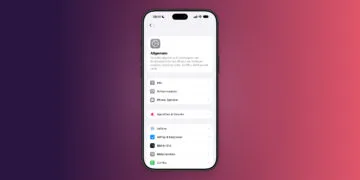
Apple has released the fifth beta version of iOS 26.6, marking the start of the final phase of testing. This beta contains a feature Apple has not yet announced: a system-wide warning about messages that could harm the iPhone or compromise user privacy. The feature was discovered by a user on the X platform who published a replica of the notification. While the beta code confirms the feature's existence, its actual appearance has not yet been observed on any device.
What's in the code of the fifth beta
The feature is internally called "Malicious Message Detected." If iOS identifies a message as potentially dangerous, a notification appears warning of possible device damage and privacy infringements. The user then has a choice: they can either report the message to Apple so the attack can be investigated and future versions of the security measures improved—or not. Three buttons are available, labeled in the code as "Not Now," "Share With Apple," and "Don't Report." The German equivalents are not yet known.
The code doesn't reveal which specific messages trigger the warning. Elaborate attacks and phishing attempts within the messaging app are a likely culprit – precisely the category that traditional spam filters can't catch.
The gap that BlastDoor left open
The Messages app has been a preferred entry point for professional attackers for years because it processes content from senders the recipient doesn't know and doesn't have to confirm. Therefore, with iOS 14, Apple introduced the BlastDoor sandbox, which processes incoming message content in isolation before it reaches the rest of the system.
The vulnerability wasn't completely closed, however. In 2021, attackers managed to bypass BlastDoor with a zero-click exploit and install spyware on target devices – without any interaction from the recipient. Apple has since repeatedly improved how commercial spyware like Pegasus gets onto iPhones and what protective mechanisms are in place against it: with Block Mode, Contact Key Verification for iMessage, and threat notifications for targeted users.
The new warning takes a different approach. It doesn't offer technical protection, but rather informs – and turns the user into a reporting channel. This potentially gives Apple access to attack patterns that have previously gone undetected because, by definition, a successful zero-click attack is invisible to the victim.
A warning that looks like what it warns against
This is precisely where things get tricky. A pop-up warning of a threat to the device and urging action is exactly the pattern that scammers have been replicating for years. Anyone who has ever seen a fake virus warning on a manipulated website will recognize the look. Users are trained to dismiss such windows – and in some cases, Apple's feature actually trains them to take urgent security pop-ups seriously and respond to them.
This is a conflict of objectives that cannot be designed away: the more conspicuous the genuine warning, the more worthwhile it becomes to fake. Whether Apple can visually differentiate the notification clearly enough from third-party content will only be able to be judged on the finished device.
What remains unclear when sharing with Apple
The option to forward a suspicious message to Apple raises a question the code doesn't answer: What exactly is being transmitted? Apple hasn't yet clarified whether only technical metadata and the malicious attachment make their way to Cupertino, or also the message content itself. With end-to-end encrypted iMessages, this isn't a trivial matter – forwarding the message deliberately breaks the encryption at precisely this point, even with the user's consent.
The fact that the notification remains explicitly a choice and is not automatic suggests that Apple is aware of this sensitivity. However, definitive statements on this will only be available with the official documentation.
Apple's fraud detection is becoming a system
This feature isn't a standalone addition. With iOS 27, Apple is introducing a framework that can warn apps about fraudulent activity in real time, and the first beta of iOS 26.6 already included a warning when an unusually high number of blocked contacts were detected. What's becoming clear is a shift: fraud and attack detection is moving from individual apps and filters to the system level.
This changes little for the most common everyday attacks. The vast majority of fraud attempts still come as clumsy messages with forged sender addresses and links – and the best way to protect yourself against these is still to know the typical warning signs of SMS fraud, instead of relying on a system warning that doesn't even exist in that form yet.
iOS 26.6: Here's what's next
With five betas, iOS 26.6 is well advanced. The release is expected towards the end of July, meaning the feature could appear on the first devices in a few weeks. Whether Apple will activate it at launch, document it, or leave it quietly in the background initially remains to be seen – features that appear in the code of a beta version don't necessarily make it into the final release. (Image: Apple)
- Storage crisis divides the smartphone market – Apple wins
- iOS 27 Public Beta is here: Apple opens the testing phase to everyone
- Apple: 20 percent market share despite market slump
- Apple opens AirPods pairing to Meta – only in the EU
- App Store commission: Epic accuses Apple of delay
- Apple acquires observability startup SigScalr
- OpenAI employs over 400 former Apple employees
- iOS 26.6 Beta 5: The weekly update cycle signals the end
- Apple stock: AI reluctance becomes an advantage
- The EU wants to restrict social media for children under 13
- Ted Lasso Season 4: Fan Event with the Cast in Kansas City
- Apple avoided US chip tariffs thanks to a deal with Intel