This article may contain affiliate links. Learn more on our Partner Program page.
The glass anniversary model was initially thought to be cancelled. Now, a detail from the manufacturing process suggests otherwise – and it leads back to a device that is already on the market.
The same description has been circulating for over a year regarding the iPhone's 20th anniversary: a casing made entirely of curved glass, without any cutouts in the display. How such a device could be mass-produced remained a mystery. Weibo leaker Fixed Focus Digital now reveals a concrete method in a new post – and it involves equipment originally built for another device. This adds a manufacturing aspect to the existing description of the iPhone 20 that was previously missing.
Key Facts at a Glance
- The iPhone Air production facilities are said to have been retooled to produce more rounded glass parts.
- According to the leaker, this reduces manufacturing costs.
- Heat dissipation and building height have improved significantly as a result of the changes.
- This report comes from the same source as the report about the factory in July. There is no independent confirmation.
Why specifically the iPhone Air?
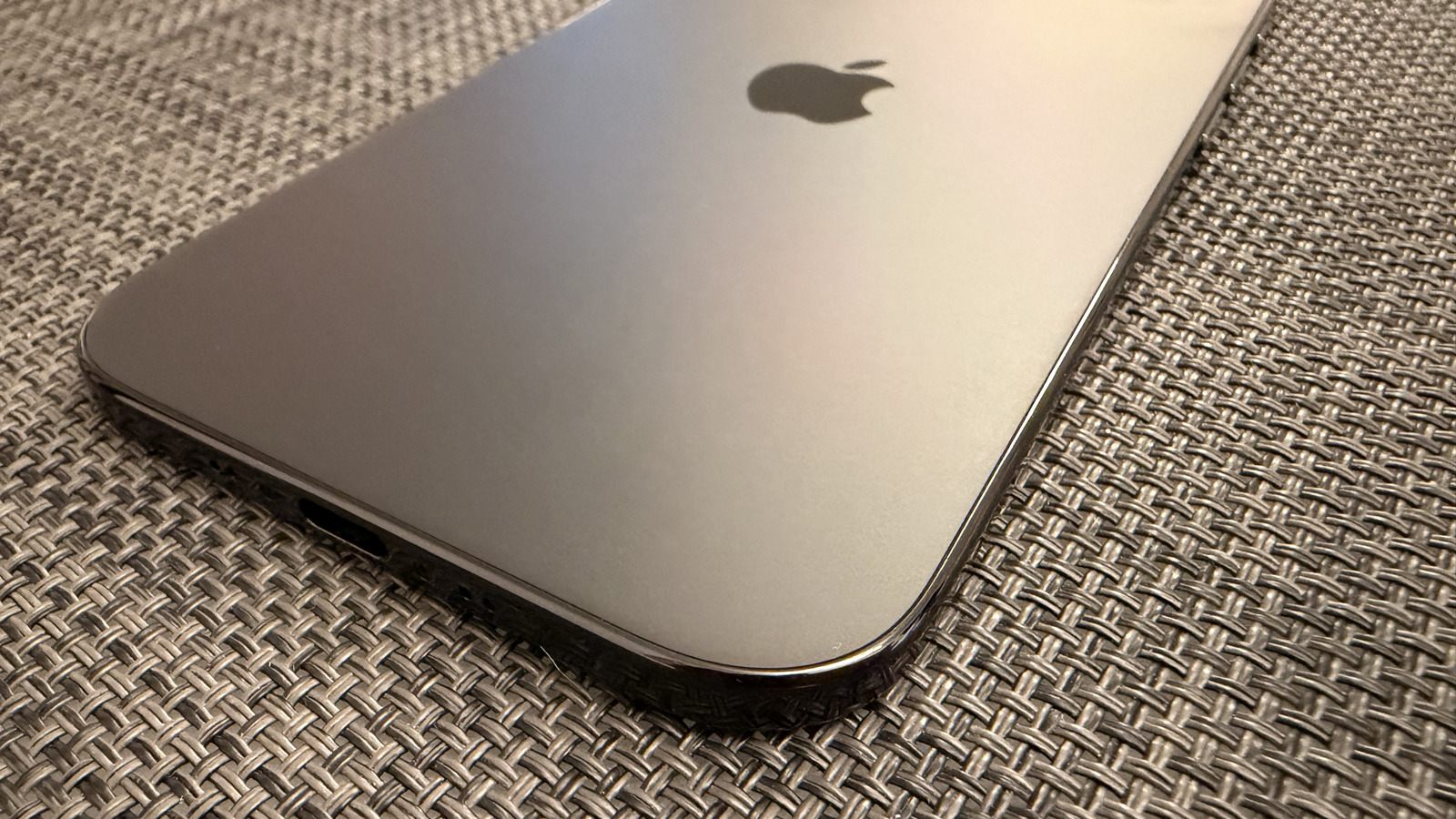
At 5.6 millimeters, the iPhone Air is the thinnest iPhone Apple has ever built, featuring a polished titanium frame and a glass back. For this device, Apple had to establish a glass manufacturing facility capable of handling extremely thin materials and tight tolerances.
These very production lines have reportedly been modified to produce more rounded glass components. The advantage is obvious: Apple wouldn't have to build a completely new manufacturing facility, but could instead build upon an existing one. The leaker also attributes the reduced costs to this.
The article follows up on an earlier report from the same source stating that a factory for the glass design had been fully converted and that the manufacturing quality was expected to be roughly on par with the first-generation iPhone Air. What was then described as a target is now being referred to as the origin.
The point against deletion
The timing is interesting. At the beginning of August, reports surfaced that Apple had shelved the glass design – shortly afterward, it was stated that the glass design had not been scrapped after all. Since then, two different versions have existed side by side.
A reference to ongoing modifications to specific production lines doesn't align well with a halted project. It doesn't prove anything, as this information also comes from the same source as the previous ones. However, it does shift the focus: retooling equipment costs money and time, and nobody is going to invest either in a design that isn't going to be implemented.
The stated improvements in heat dissipation and overall height, however, remain vague. Without a reference point – compared to which prototype, under which load – the term "significantly improved" is meaningless. This point is one of those specifications that you remember but don't use for further calculations.
How reliable is the tip?
Fixed Focus Digital has been active on Weibo for years and has repeatedly been correct regarding color variants, specifications, and supply chain issues. However, their track record is mixed: Most recently, the same source cited August 10th as the date for an iPhone 17 price adjustment, which ultimately did not occur.
Furthermore, the structure of the article is problematic. It confirms an earlier statement from the same author, and that's consistency, not a second source. However, there is independent evidence for the design goal itself: A report from the spring described a prototype with a fully curved display, and suppliers warned of image distortion at the curved edges. The manufacturing process is new, but the goal is not.
What the manufacturing process reveals about the schedule
Restructuring an existing product line instead of creating a new one buys time. This is relevant for a market launch in fall 2027 because the iPhone 18, iPhone 18e, and the second-generation Air are still to come in the spring – a schedule described as having six models in one year.
We expect that the manufacturing side will provide more reliable signals than the design reports in the coming months. The documented starting point for this is the sequence of events so far: Reports regarding the device's appearance have repeatedly contradicted each other since spring, while information on factories and facilities has so far pointed in the same direction. It's more difficult to retract changes to a machine that are being modified than a statement about a design goal.
The anniversary model is still a good twelve months away. What's more important to you in a fully glass iPhone – that the design lives up to the hype, or that Apple doesn't compromise on durability and grip? Tell us in the comments what you expect from a case without a straight edge.
- iPhone 18 Pro: Competition sets the price premium
- iMac M6: New colors and market launch by the end of the year
- Apple HomePad: Store redesign suggests imminent launch