This article may contain affiliate links. Learn more on our Partner Program page.
Eighteen days after the record-breaking verdict, Apple is appealing the decision in the same San Diego court. The company wants the $5.7 billion ruling completely dismissed, or alternatively, is requesting a new trial. Its strongest argument rests on a decision the judge made weeks before the trial.
On September 25, a jury ruled that Apple should pay Taction Technology more than $5.7 billion in damages for the Taptic Engine. On October 13, Apple filed a motion in case 3:21-cv-00812 (SD Cal.) to overturn the verdict. In the motion, Apple calls the sum "shocking" and "devoid of any evidence".
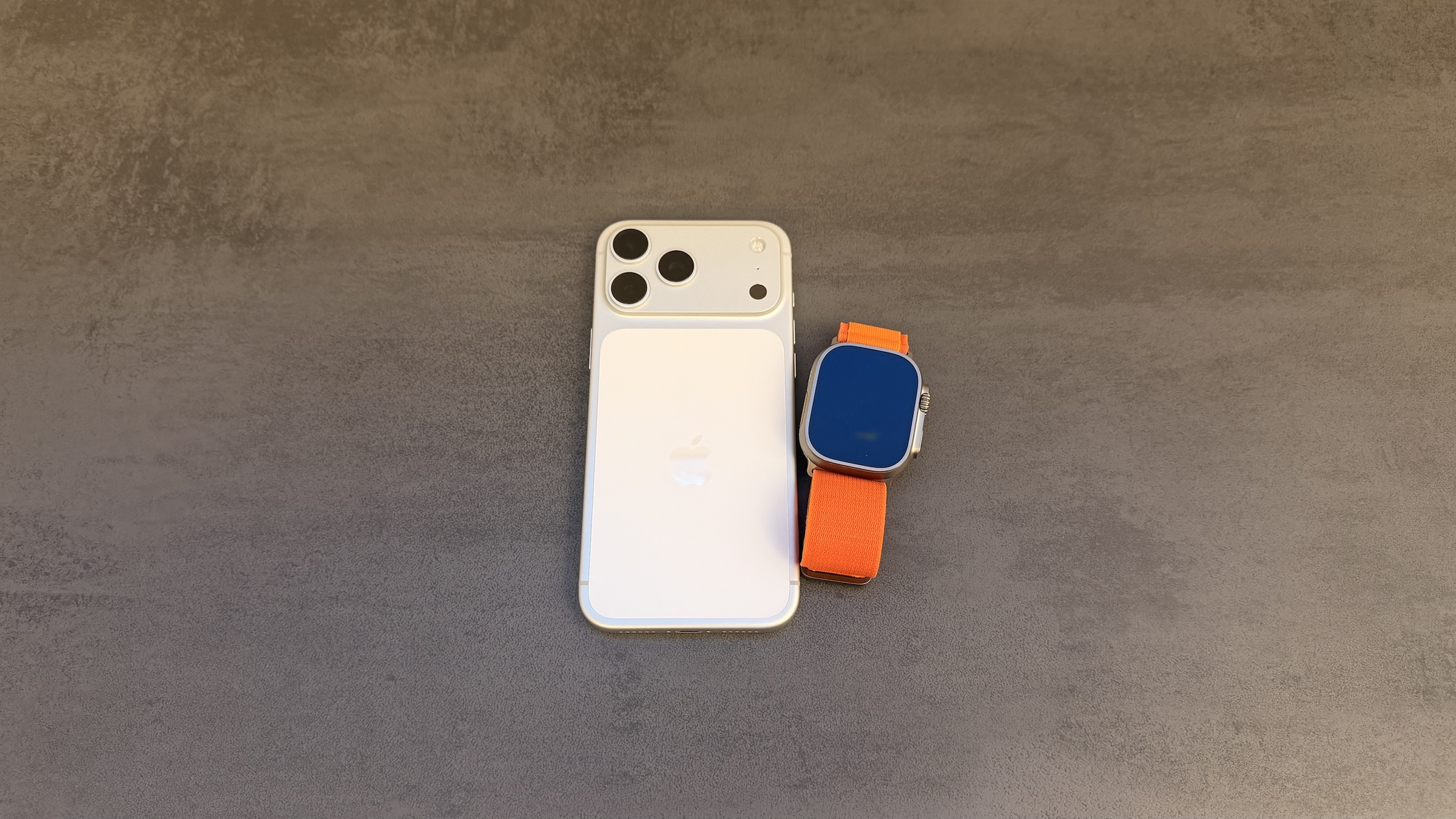
The subject of the lawsuit is the component that generates every knock and vibration in the iPhone and Apple Watch, even when the iPhone vibrates seemingly without reason. Taction bases its claim on two US patents relating to damped vibration modules.
Key Facts at a Glance
- Apple requests that the verdict be overturned and that Taction not be awarded any damages.
- Alternatively, Apple is requesting a new trial regarding patent infringement, validity, and the amount of damages.
- Taction went to trial without a damage assessor because the judge had ruled out their calculation in August.
- The sum is a good 3.1 billion dollars higher than the previous record for a patent ruling in the USA.
What Apple is requesting in court
Apple is primarily requesting a ruling from the judge himself, without a new trial. He is to determine that Taction is not entitled to damages, that the Taptic Engine does not infringe the patents, and that the asserted claims are invalid. Only if the court does not agree with this will Apple request a new trial on all three issues.
The District Court for the Southern District of California remains responsible for the case. The appeal, which Apple announced immediately after the ruling, will only be considered after that. It would be heard before the Federal Circuit Court of Appeals for Patent Matters.
A trial without a damage assessor
The core of Apple's motion is a decision that was made before the trial. In a ruling dated August 11, 2026 (ECF No. 545), District Judge Todd W. Robinson rejected Taction's damages expert's calculation of the reasonable license fee. The expert had based his calculation on the allocation by which Taction's technical expert sought to separate the value of the patented technology from the rest of the Taptic Engine. The court deemed this allocation unreliable.
Without providing its own figure, Taction asked the jury to set a reasonable royalty amount that it considered appropriate. Apple accuses the company of never having demonstrated the value of its patented technology. This, Apple argues, forced the jurors into "unacceptable guesswork on a massive scale." According to Apple's motion, even the judge expressed doubts before the verdict was announced as to whether the figure on the verdict form accurately reflected what the jury intended to convey.
The dispute over the measurement
The patent infringement concerns a single characteristic. The patents require a highly attenuated output that is essentially uniform across the normal frequency range. The Court of Appeal upheld this interpretation in August 2025 and simultaneously remanded the case to the District Court.
Apple maintains that the test conducted by Taction's technical expert was specifically tailored to the lawsuit. He measured how Apple's control electronics regulate the Taptic Engine, not whether the hardware itself meets the requirements. The Taptic Engine operates with undamped resonance. Taction's own measurement showed a distinct peak, and the expert acknowledged that it was not heavily damped.
Apple derives three reasons for invalidity from this, should the court follow Taction's interpretation. First, two measurement methods for the same property yielded contradictory results, rendering the claims indefinite. Second, they would then cover technology not described in the patents. Third, the patents would not enable a person skilled in the art to build a controller like Apple's.
Record sums with a short lifespan
Apple describes the ruling as the highest patent award in history, by more than three billion dollars. According to Bloomberg Law, the two previous record amounts did not survive appeals.
| Year | Proceedings | Jury's verdict | Further course |
|---|---|---|---|
| 2016 | Idenix vs. Gilead | 2.54 billion US dollars | Revoked by the district judge in 2018, patent invalidated |
| 2021 | VLSI vs. Intel | 2.18 billion US dollars | withdrawn from the Federal Circuit |
| 2026 | Action against Apple | approximately 5.72 billion US dollars | Application for annulment since October 13th |
The difference to the previous record is approximately $3.18 billion, so Apple's figure is accurate. However, Apple's own dispute with Masimo demonstrates that applications like this can also fail. There, a jury awarded $634 million in November 2025 for a pulse oximetry patent. In July 2026, the court rejected Apple's request to overturn the decision and request a new trial.
Why the extent of the damage is the open flank
I believe the amount of damages is the most likely part of the verdict. Since the August ruling, the jury has not seen any calculation against which the $5.72 billion can be measured. Even the financier behind Taction, who would be entitled to approximately $1.4 billion if the payment remains unchanged, warns that major patent judgments rarely stand unchanged.
The patent infringement case is different. There, the jury found a measurement method convincing, and the judge would have to conclude that no reasonable juror could have followed it. Therefore, I expect the amount to be reduced or the case to be retried rather than Taction receiving nothing at all.
What happens next
Next, Taction responds to the motion, after which Judge Robinson decides. He can uphold the ruling, overturn it in whole or in part, or order a new trial. Only after this decision can the losing party appeal to the Federal Circuit.
Is a company like Taction, without performing its own calculations, still within its rights if a jury estimates the sum itself, or should such a ruling be issued as a matter of principle? Let us know in the comments where you would draw the line.