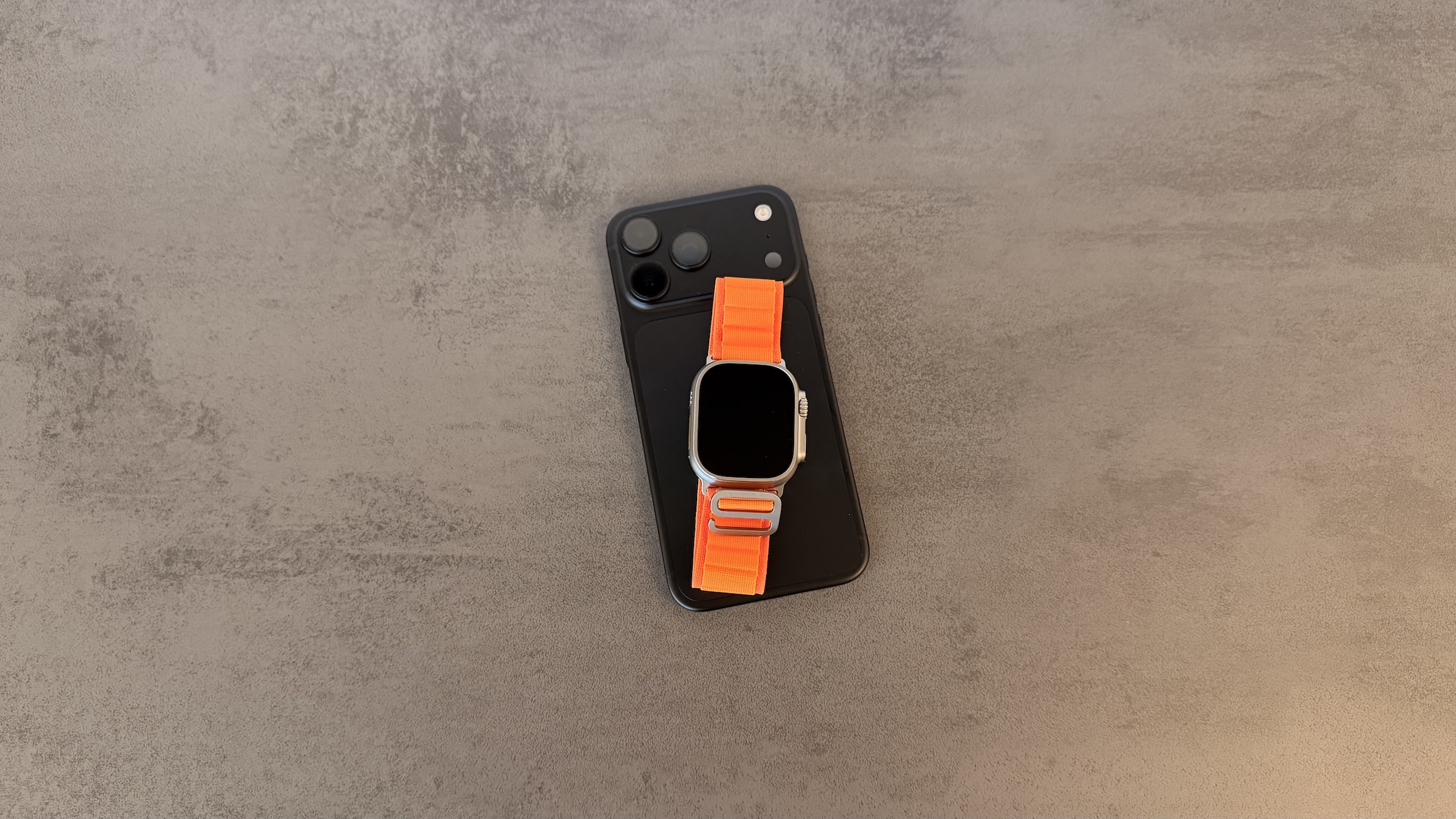
A jury in San Diego has ordered Apple to pay more than $5.7 billion in damages. At the heart of the case is the Taptic Engine, which generates every tap and vibration in the iPhone and Apple Watch. Apple believes the verdict is wrong and is appealing.
The plaintiff was Taction Technology, a San Diego-based company that develops haptic transducers for headphones and gaming headsets. The jury found that Apple's Taptic Engine infringes two of the company's patents. The jury's verdict was filed on September 25, 2026, in case number 3:21-cv-00812 (SD Cal.). Both sides have commented on the outcome to CNBC.
According to a Reuters report, this is the highest sum ever awarded by a US jury in a patent case. The patent in question concerns a component that is barely noticeable in everyday use: it is behind notifications, keystrokes, and every other feedback from the device – including instances where the iPhone vibrates seemingly for no reason.
Key Facts at a Glance
- A US jury has ordered Apple to pay more than $5.7 billion in damages to Taction Technology.
- The point of contention is two US patents relating to vibration modules, which the jury believes are infringed by the Taptic Engine.
- The jury found no intent, therefore an increase in the sum is ruled out.
- Apple denies the infringement and announces an appeal.
- The sum is approximately nine times the amount of the Masimo verdict from November 2025.
What the proceedings are about
Taction based its lawsuit on two intellectual property rights, US patent 10,659,885 and US patent 10,820,117. Both describe a vibration module that transmits movement stimuli to the wearer's skin. Taction claims to use its technology in headphones, such as the Corsair HS60 Haptic gaming headset.
Apple introduced the Taptic Engine in 2014 with the first Apple Watch. A year later, it was integrated into the iPhone 6s and 6s Plus, replacing the traditional vibration motor. Since then, it has been a standard feature of both product lines.
Five and a half years until the verdict
The path to this ruling was long and had, in the meantime, seemed to have ended. A federal judge in San Diego had ruled in 2023 that Apple was not infringing the patents. The Federal Circuit Court of Appeals for Patent Matters overturned this decision in 2025 and sent the case back to the original court.
| Time | Step |
|---|---|
| 2014 | Apple introduces the Taptic Engine with the Apple Watch |
| 2015 | Taptic Engine in iPhone 6s and 6s Plus |
| 2021 | Taction files lawsuit in federal court in San Diego |
| 2023 | Judge sees no patent infringement |
| 2025 | Federal Circuit overturns the decision |
| 14.09.2026 | Start of the jury trial |
| 25.09.2026 | Jury awards Taction more than $5.7 billion |
The seven jurors deliberated for two days after the conclusion of the evidentiary hearing. They found no evidence of intentional harm. This is crucial for the amount of damages: In cases of intent, a US court can increase the damages award up to three times the original amount; this possibility is therefore eliminated.
Apple disagrees, Taction feels vindicated
Apple thanked the jury but strongly disagreed with the verdict and the amount of damages awarded, stating that both were not supported by the facts. The Taptic Engine is fundamentally different from Taction's technology, a fact confirmed by Taction's own tests on Apple devices during the trial. Apple does not use the technology and will appeal.
Taction's lawyer expressed satisfaction that the jury had upheld the company's patent rights. Taction had waited five and a half years for this trial.
Why the total amount is far from being determined
The ongoing legal battle with Masimo illustrates how such a ruling can play out. In November 2025, a jury there ordered Apple to pay $634 million over a pulse oximetry patent. It wasn't until July 2026, eight months after the verdict, that the presiding judge rejected Apple's request for a retrial. Apple has announced its intention to appeal. The Taction sum is roughly nine times higher.
We therefore expect that it will take years rather than months until a legally binding decision is reached. First, the court of first instance reviews the motions following the trial, then the case goes to the Federal Circuit – the same court that reopened it in 2025.
The ruling doesn't change anything about the Taptic Engine in your iPhone or Apple Watch. Two US patents were being debated in a US court, and the jury decided on damages, not on the sale of devices.
Do you think the $5.7 billion will survive the appeal, or do you expect a significantly smaller amount in the end? Share your prediction in the comments.