
This article may contain affiliate links. Learn more on our Partner Program page.
China's biggest discount campaign of the year failed to pull the smartphone market out of its slump. Sales have fallen significantly, including for the iPhone. Nevertheless, Apple remains in the lead, with its most expensive Pro model topping the bestseller list.
Around Singles’ Day, also known as Double 11 in China, smartphone sales in the country fell by 17 percent compared to the previous year. This is according to a report by Counterpoint Research dated November 26. The market research company analyzed data from calendar weeks 42 to 46; the promotion ran from October 12 to November 13.
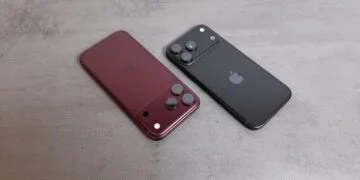
Apple sold 8 percent fewer iPhones during this period than in the previous year, yet still landed in first place. The best-selling model was the iPhone 18 Pro Max.
Key Takeaways
- Smartphone sales in China fell by 17 percent during the promotional period.
- Apple is in first place with a decrease of 8 percent.
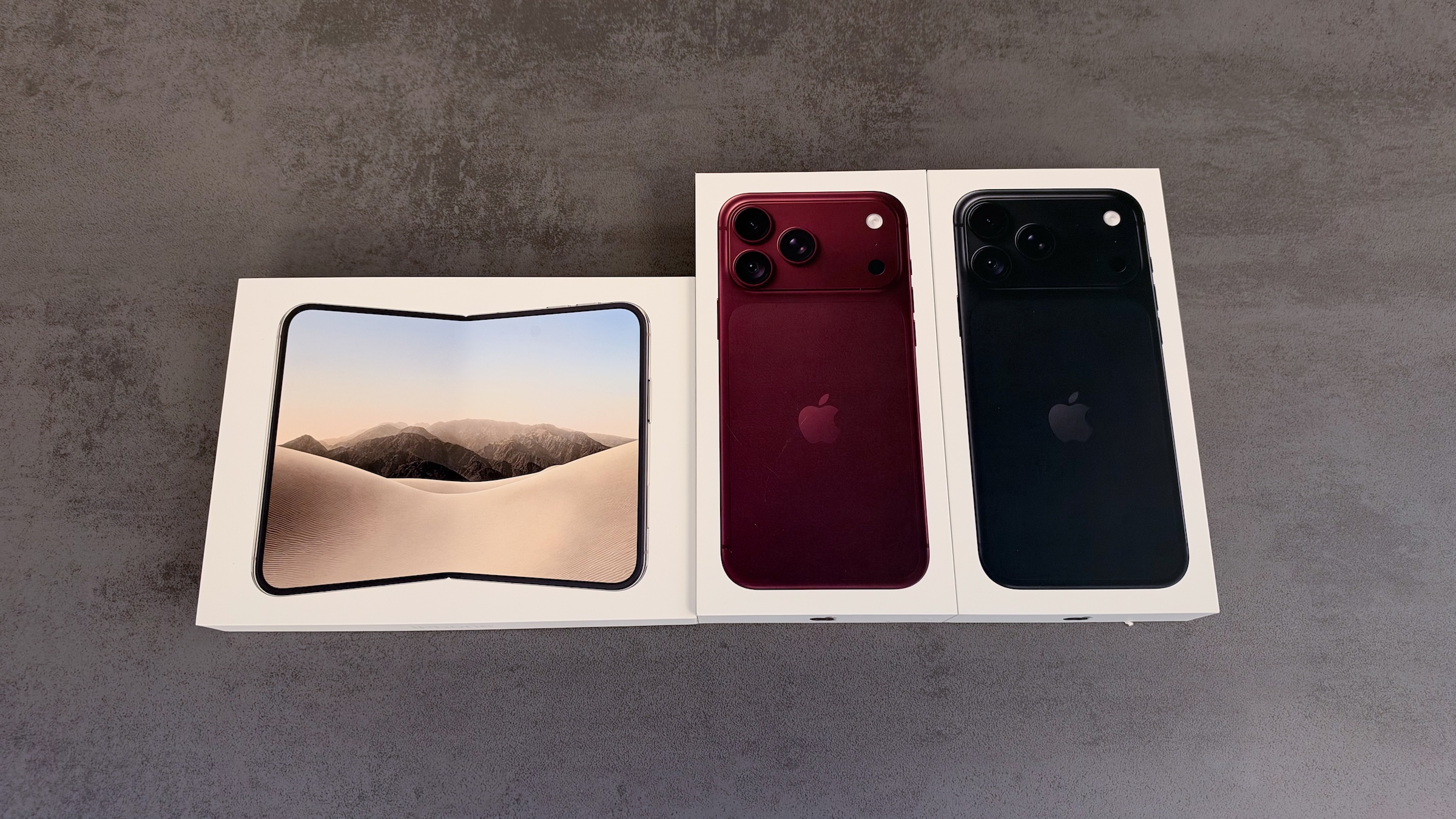
- Six of the ten best-selling models are iPhones, led by the iPhone 18 Pro Max, with the iPhone Duo in ninth place.
- Huawei is the only major manufacturer showing growth, with an increase of 29 percent.
- Counterpoint cites increased prices as the reason, which even discounts and subsidies could not offset.
A market in reverse
The decline is evident across almost all brands. According to Counterpoint, the remaining Chinese Android manufacturers all recorded double-digit declines, though the report does not provide specific figures for them.
| Manufacturer | Change compared to the previous year |
|---|---|
| Total market China | -17 % |
| Apple | -8 % |
| Huawei | +29 % |
| Other Chinese Android brands | double-digit losses |
Huawei's growth was primarily driven by the Enjoy 90 Pro Max, the Pura X View, and the new Enjoy 100 series. Apple, while losing less than the market as a whole, did not grow like Huawei.
The iPhone 18 Pro Max at the top
Six of the ten best-selling smartphones during the promotional period were iPhones. According to Counterpoint, the top five spots were all claimed by Apple, with the iPhone 18 Pro Max taking first place. The iPhone Duo came in ninth.
According to Counterpoint, Apple's results were driven by demand for the iPhone 18 Pro and iPhone 17 series. Apple did not introduce a regular iPhone 18 this fall; it is expected to follow in spring 2027.
Retailers tried everything to boost demand. JD and Tmall combined manufacturer discounts with coupons, trade-in incentives for old devices, and installment plans. The PDD platform focused its incentive program specifically on the iPhone line.
From a strong start to a loss
Autumn started well for Apple in China. In its first week, Apple's Pro series was number one in the Chinese market, and in the third quarter, according to Counterpoint, Apple jumped from sixth to second place. The first three weeks of sales for the iPhone 18 Pro series in China were 29 percent higher than those of the iPhone 17 Pro, according to the same source.
A year earlier, Counterpoint had reported a 3 percent market increase for Singles" Day, driven by the iPhone 17 series. The two analyses are not entirely identical: in 2025, Counterpoint counted three weeks starting on October 20th, while this year it counted weeks 42 to 46.
Higher prices have a greater deterrent effect than discounts
Counterpoint attributes the decline to rising prices. Increasing component costs left manufacturers little room for deep discounts, and 81 percent of Chinese buyers planning to purchase a smartphone in the next six months have noticed the price hikes. According to Counterpoint, this weak performance suggests that many consumers are postponing their upgrades rather than accepting higher prices.
I still find Apple's result remarkable. The decline is almost half as severe as in the overall market, and the larger of the two Pro models tops the bestseller list. Those who buy in the premium segment are apparently less deterred by higher prices than buyers of cheaper Android devices. According to Counterpoint, the manufacturers of these cheaper devices are particularly vulnerable to rising component costs due to their focus on the entry-level and mid-range segments.
Price pressure isn't limited to China. Apple has also raised iPhone prices in Germany with the new generation, even for older models. Counterpoint expects that cost and margin pressures in the industry will hardly ease before 2028. Therefore, I anticipate that the iPhone 18, expected this spring, will be more important for Apple in China than a typical entry-level model, as it could attract customers who are currently waiting.
Did you also postpone your upgrade this year due to the higher prices, or was the new iPhone worth the extra cost? Let us know your decision in the comments.