
This article may contain affiliate links. Learn more on our Partner Program page.
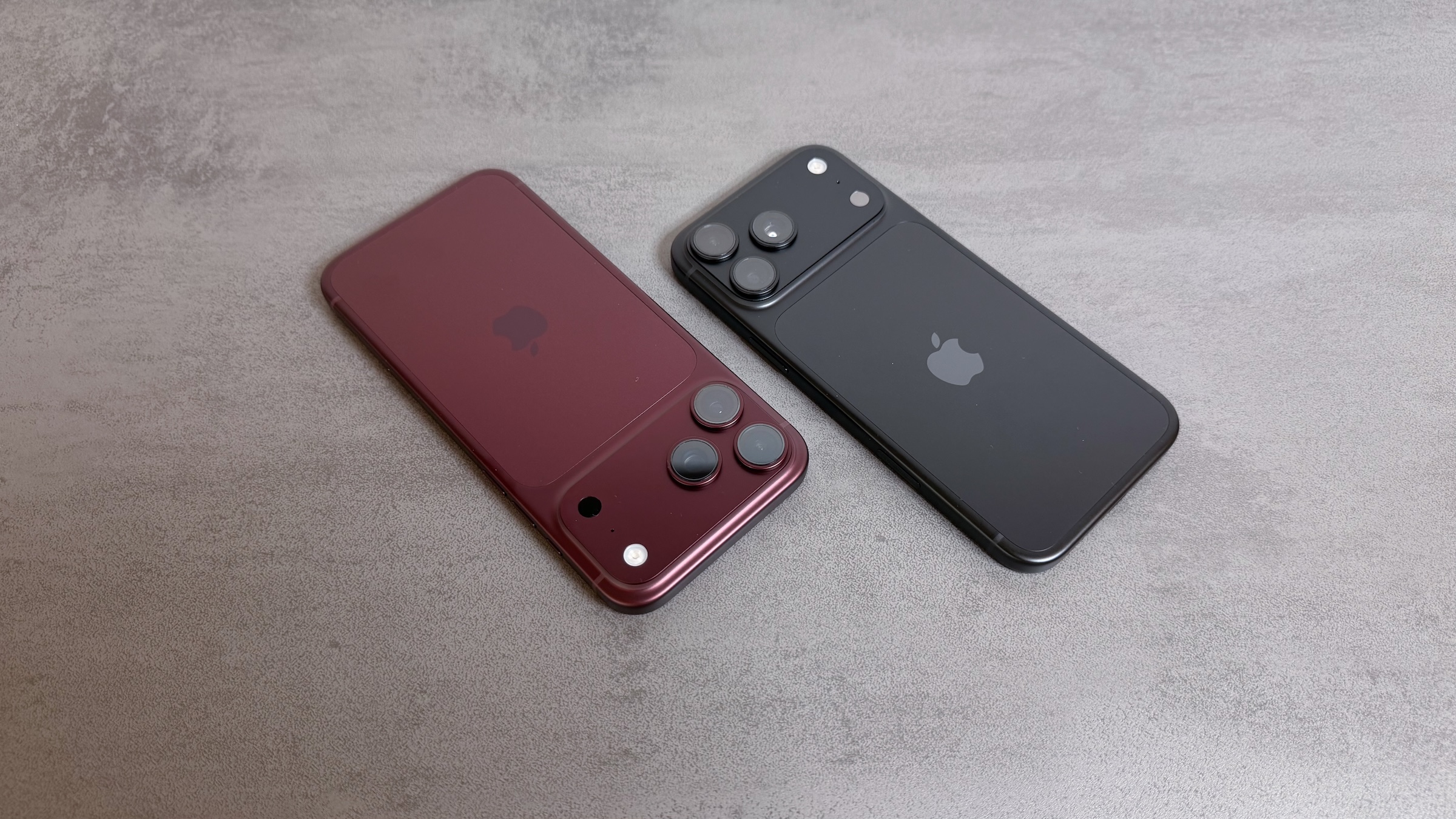
A new material is being considered for the anniversary iPhone. A leaker from China claims to have ceramic components for the device, with production reportedly planned only in very small quantities. According to the leaker, whether it will become a mass-produced product depends on an early testing phase.
Leaker Fixed Focus Digital writes in a Weibo post that he has ceramic components for the 20th-anniversary iPhone, which is expected to be released next year. The planned production capacity is very low, suggesting a limited edition. This report adds to the existing picture of the iPhone 20, which so far has primarily focused on a design with curved glass all around.
Fixed Focus Digital regularly publishes supply chain information. The tracker iDevice has so far been able to verify 19 of its reports: ten were confirmed, five partially confirmed, and four were false.
Key Takeaways
- Fixed Focus Digital will use ceramic components for the anniversary iPhone.
- The production capacity is planned to be very low, which suggests a limited model.
- If the project passes the EVT (European Verification Test), it will go into mass production.
- Which parts are made of ceramic, how many devices there will be, and what they will cost remains unclear.
- Apple has been using ceramic cases again for the Apple Watch Series 12 since September, which are significantly heavier than titanium.
What the leaker claims and what remains unclear
The key message is concise: ceramic components for the anniversary model exist, but production capacity is limited. In a follow-up comment, Fixed Focus Digital added that the project will move into mass production if it passes the EVT. EVT stands for Engineering Validation Test, the early phase in which prototypes are tested for their technical feasibility before design and production tests follow.
It remains unclear which parts will be made of ceramic. Possibilities include the back, a larger portion of the casing, or a smaller outer section; the leaker isn't committing to any of these. Price, production volume, colors, and a more precise timeframe than next year are also missing.
Ceramic is already used in iPhones, albeit in the glass. Since the iPhone 12, Ceramic Shield has protected the front, a glass with embedded nano-ceramic crystals. With the iPhone Air, Ceramic Shield was first introduced to the back in 2025.
Ceramics and glass are not mutually exclusive
The same leaker reported in mid-November that the iPhone 20 Pro would use the same glass material as the iPhone Air, with a more pronounced curve on all four sides. This information is included in the article about the glass being the same as the Air's and the new camera sensor. A ceramic version doesn't contradict this, as long as it remains unclear which parts it would affect. The new report says nothing about the display, camera, or features of the iPhones in 2027.
What the Apple Watch reveals about ceramics
Apple has brought back ceramic for the Apple Watch this fall, after it was last available with the Series 5. The Apple Watch Series 12 is available with a ceramic case in pearl white and midnight blue, in addition to aluminum and titanium. Apple's technical specifications reveal what the material means for the device:
| Series 12, 46 mm | Weight | Depth |
|---|---|---|
| Aluminum (GPS) | 39.5 g | 9.7 mm |
| Titanium | 44.9 g | 9.7 mm |
| Ceramic Pearl White | 51.3 g | 9.85 mm |
| Ceramic Night Blue | 52.9 g | 9.85 mm |
The ceramic watch weighs around 14 to 18 percent more than the titanium watch and is slightly larger, measuring 47 millimeters in height and 41 millimeters in width compared to the titanium watch's 46 millimeters.
A small print run would be the obvious solution
I believe the small production run is the most plausible aspect of the report. In the case of the watch, ceramic is the heaviest of the three material options and is offered as a special edition alongside aluminum and titanium, not replacing them. An iPhone that uses ceramic only in a small production run would follow exactly this pattern.
The caveat imposed by the leaker himself carries significant weight. A project in the EVT (European Veterinary Technology) is a prototype, not a finalized product. I therefore expect that the ceramic version will only become reliable once other sources in the supply chain adopt it.
Would you be willing to pay a significant premium and potentially add weight for a ceramic-coated iPhone 20 Pro, or is the regular model still the better choice for you? Let us know in the comments how much a limited-edition iPhone would be worth to you.