This article may contain affiliate links. Learn more on our Partner Program page.
The smartphone market shrank by eleven percent in the second quarter – and yet, in this environment, Apple occupies the top three spots on the global bestseller list. Three weeks before the unveiling of the next iPhone generation, the analysis reveals just how consistently the current series is selling.
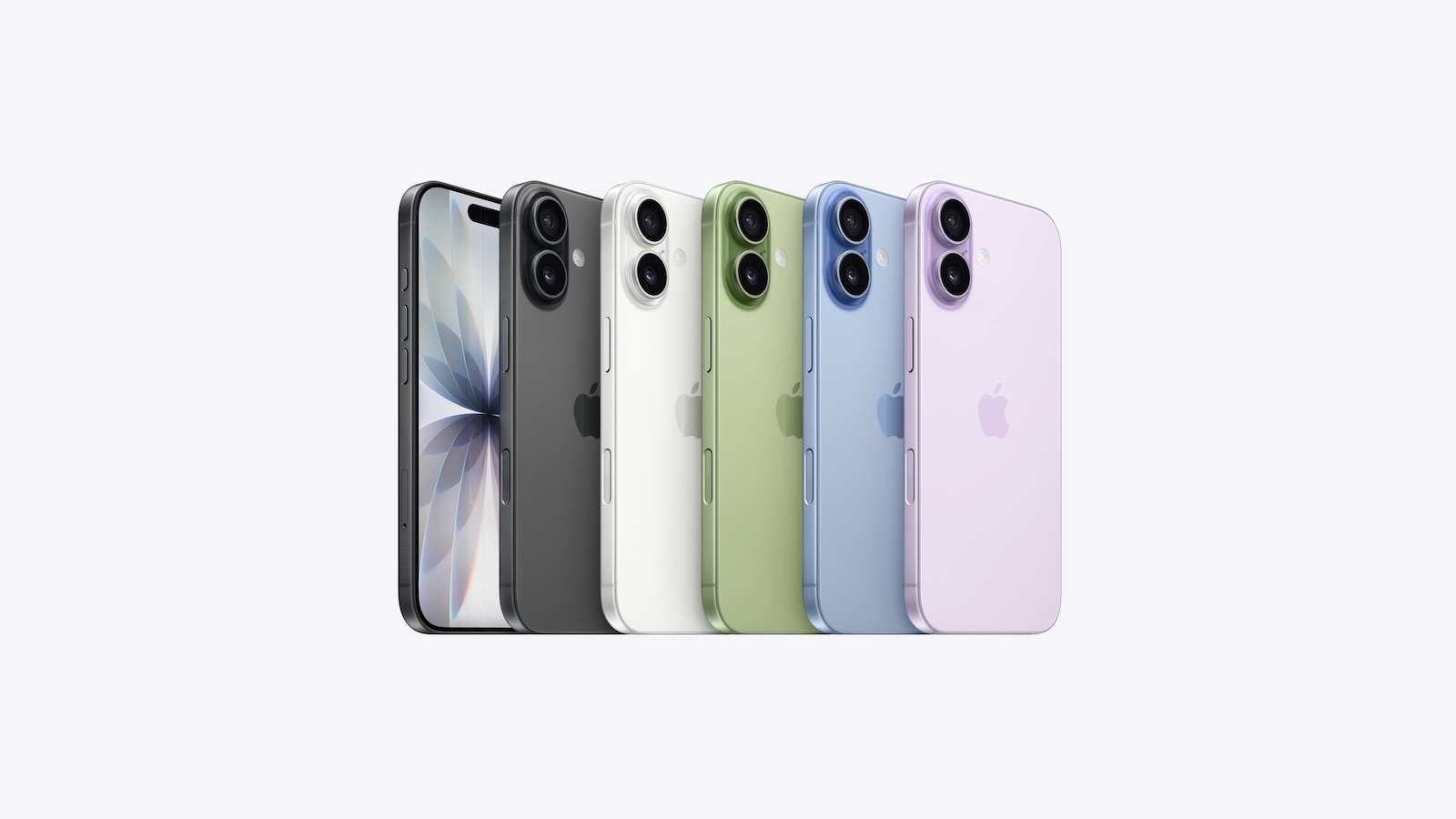
The iPhone 17 was the world's best-selling smartphone in the second quarter of 2026. This is according to Counterpoint Research's Global Handset Model Sales Tracker, which attributes six percent of global sales to the base model. The iPhone 17 Pro Max and iPhone 17 Pro followed. This confirms what the market researchers determined for the first quarter: the iPhone 17 was also the world's best-selling smartphone then.
Key Facts at a Glance
- The iPhone 17 leads the ranking with six percent of worldwide units sold.
- Apple occupies the first three places and provides a total of five of the ten models.
- The smartphone market as a whole shrank by eleven percent in the quarter.
- Apple's sales grew by five percent during the same period.
- The ten bestsellers together account for 26 percent of all devices sold.
Apple and Samsung share the list between them
Other manufacturers are not represented in the top 10: Apple and Samsung each have five models. Together, these ten devices account for 26 percent of all smartphones sold worldwide, two percent more than in the same period last year.
For a June quarter, this is the highest figure the market researchers have recorded so far. The iPhone 17e is also on the list – Counterpoint attributes this to MagSafe and more storage at the same price as its predecessor, as well as mobile network deals in the US and Japan. This puts the model in the same category as the iPhone 17 and iPhone Air, which differ primarily in display size, camera, and form factor.
Growth against the market trend
The most telling figure is not in the ranking, but in the analysis: While the overall market declined by eleven percent, Apple's sales increased by five percent.
| Key figure | Value in the second quarter of 2026 |
|---|---|
| Share of iPhone 17 in all smartphones sold | 6 percent |
| Share of the ten bestsellers together | 26 percent |
| Change in the overall market | -11 percent |
| Change in Apple's sales | +5 percent |
According to Counterpoint, growth was driven by regions outside its traditional core markets. Sales increased in India, Japan, the Middle East, and Africa, and nearly doubled in South Korea. Trade-ins, promotions, and financing offers contributed to this growth in the more expensive models.
Why sales are concentrated on a few models
Behind this record concentration lies a bottleneck. Due to the global shortage of RAM, manufacturers are focusing their production on devices that generate volume or profit margins – models outside these top sellers are losing ground. This same shortage has been dividing the smartphone market into winners and losers for months.
In addition, there is a price effect: Because devices across the industry are becoming more expensive, buyers are moving into higher price categories. A product range that is already in the upper segment loses less market share as a result than one that relies on entry-level products.
Samsung's flagship model overtakes for the first time
Among the competitors, the Galaxy S26 Ultra stands out. It was the best-selling Android device of the quarter – according to Counterpoint, the first time a top-of-the-line model has led the Android rankings in a June quarter. The Ultra accounted for more than half of all S26 series sales.
The later market launch of the series further delayed sales into this quarter. Samsung's A-series models remain strongly represented in the lower price segment; all of them in the top 10 offer at least six years of software support.
A bestseller about to be replaced
The figures describe a quarter that will be definitively over in September. That's precisely where their value lies: they show that, thanks to the upgrades compared to the Pro versions, the base model is now profitable on its own, instead of just serving as a budget-friendly entry point. For you as a buyer, this means one thing above all: the current base model isn't being phased out, but rather is the best-selling smartphone in the world.
Whether the next generation will maintain this ranking will be decided under more challenging circumstances. Storage shortages persist, and rising manufacturing costs are affecting all providers equally.
Would you still opt for the Pro model of the iPhone today, or is the basic model sufficient for you now? Let us know in the comments which model you currently have in your pocket.
- 12 12 12: Apple TV will show the Zurich coup from November 13th.
- Apple is pushing for a swift taking of evidence in the OpenAI trial
- 40W Dynamic Power Adapter now also available in Germany