Redness and a burning sensation exactly where the sensors rest: Some owners of the new Apple Watch are reporting skin irritation on their wrists. A look at Apple's own material specifications reveals what has changed on the back – and what hasn't.
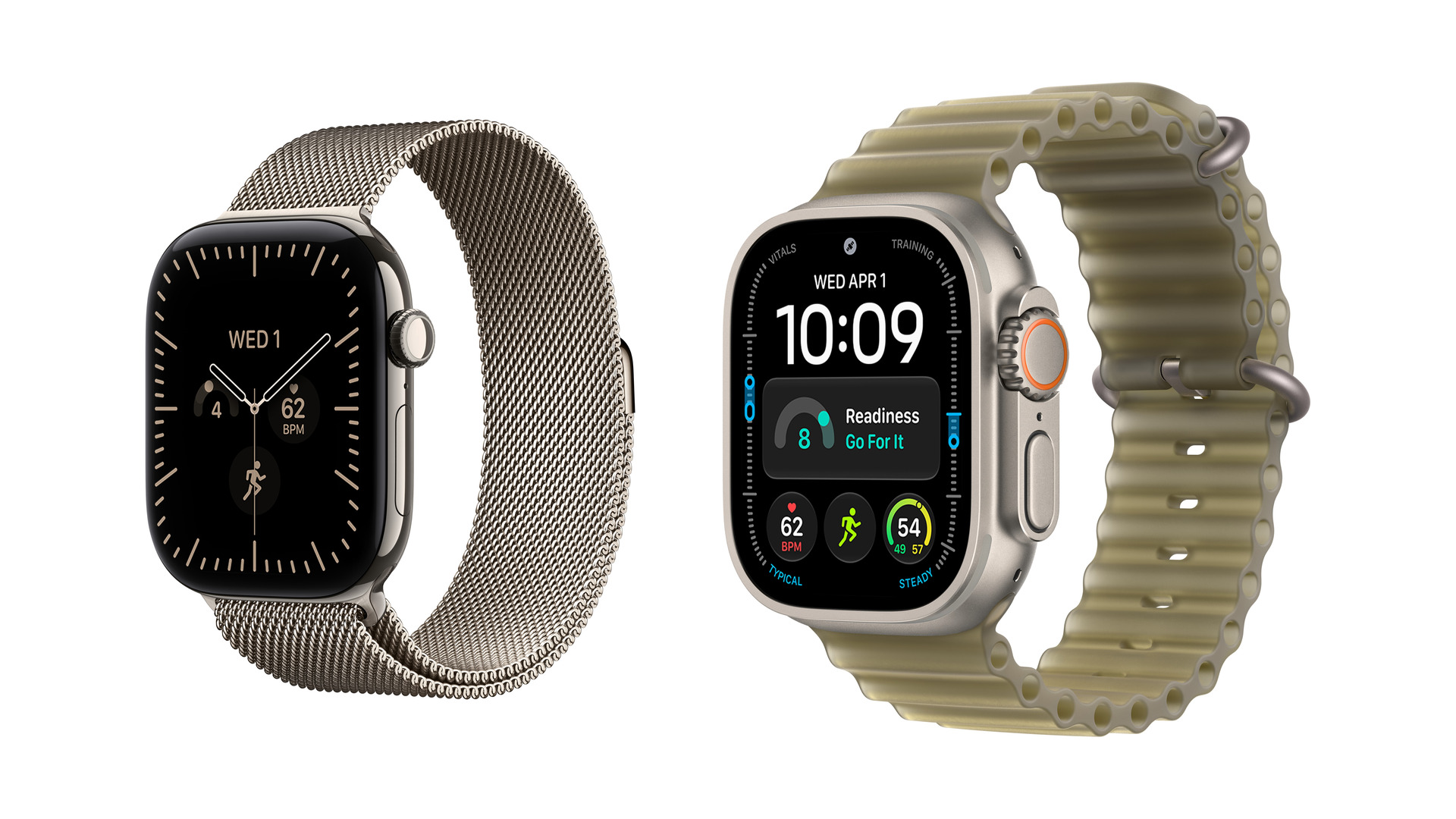
Since its launch on September 18th, the first buyers have been wearing the Apple Watch Series 12 and Ultra 4 in their daily lives. Both models, with their redesigned sensor system , now measure heart rate every five seconds throughout the day, instead of only every five minutes during periods of rest. It is precisely under this sensor area that some users are now complaining of skin irritation.
The most detailed report comes from a thread on the MacRumors forum, started by a Series 12 owner on September 21st. Other users have since reported similar observations there.
Key Facts at a Glance
- Some owners of the Apple Watch Series 12 and Ultra 4 are reporting redness and burning sensations under the sensor area.
- These are just a handful of individual reports; there is no number of affected devices.
- According to Apple's materials list, the back of the new models is made of the same material class as the predecessors.
- Apple cites a band that is too tight or too loose, as well as residues of sweat, soap, or sunscreen, as the most common causes.
- If redness, swelling or itching occurs, Apple advises seeking medical advice before wearing the product again.
What the affected people describe
The user who started the thread described experiencing a burning sensation under the sensors from day one. After the first night wearing the watch, a circular redness appeared, darker at the points where the individual sensor dots were located. Cleaning his skin and the watch, as well as adjusting the band, didn't help, so he returned the watch after contacting Apple Support. He also mentioned that he is generally sensitive to metals and adhesive bandages.
A second user reported wearing a Series 8 and a Series 11 without any problems and only noticed the redness after several weeks with the Series 12. Others reported itching that disappeared after a few days and wiping the back. One Ultra 4 owner described how the flatter sensor surface made more contact with the skin and that his wrist needed time to adjust.
Whether the more frequent pulse measurements are related is being hotly debated in the thread. However, a connection cannot be proven based on the accounts: the measurement is taken optically via green LEDs, and the posts come from a small number of people with diverse histories.
What Apple's material list reveals about the back
Apple lists the back material for each Apple Watch model on its support page for wearing the Apple Watch. The new watches are already listed there:
| Model | Back | Predecessor | Backside Predecessor |
|---|---|---|---|
| Series 12 Aluminium | Aluminum | Series 11 Aluminium | Aluminum |
| Series 12 Titanium | Titanium | Series 11 Titanium | Titanium |
| Series 12 Ceramic | Ceramics | – | – |
| Ultra 4 | Ceramics | Ultra 3 | Ceramics |
For aluminum, titanium, and Ultra models, the material class of the back remains the same as last year. The only new feature is the ceramic bezel of the Series 12, which was not available in the previous generation.
Apple provides separate information on two substances. Nickel is found in models with aluminum or stainless steel cases, in parts of some watch bands, and in the magnets, but according to Apple, it is consistently below the limits set by the European chemicals regulation REACH. Traces of acrylates and methacrylates from adhesives are found in the case and in many watch bands, but Apple states that they are installed in such a way that they do not come into direct contact with the skin.
What Apple recommends for irritated skin
Apple cites several common causes of watch band friction: a band that is too tight and irritates the skin, a band that is too loose and chafes, and residue from sweat, soap, sunscreen, or lotion. Therefore, the watch, band, and skin should be kept clean and dry, especially after workouts. The watch should fit snugly but comfortably above the wrist bone and should be removed regularly.
If you experience redness, swelling, itching, or other irritation, Apple recommends seeking medical advice before wearing the watch again. If you purchased the watch directly from Apple, you can return it within the standard 14-day return period – however, this period has already expired for purchases made at launch.
Individual reports instead of a series problem
So far, I consider these reports to be isolated incidents, not a pattern. The accounts come from only a few people, one of whom has pronounced contact sensitivity, and the material class of the back hasn't changed in most models. What has changed is the shape of the sensor area – and thus how the watch rests on the skin. This is more consistent with friction, pressure, and trapped moisture than with a new material.
If your skin reacts to the new watch, it's worth first checking the fit of the strap and cleaning it. If the redness persists, you should consult a doctor, not ask in an online forum. If you are sensitive to metals in general, you can choose the case back material: aluminum, titanium, ceramic, or, in the case of the SE 3, nylon composite – a factor that can be particularly important when choosing between the SE 3, Series 12, and Ultra 4.
Has the Series 12 or Ultra 4 left any marks on your wrist, or have you been wearing it without any irritation since its release? Tell us in the comments how your skin reacts to the new back.