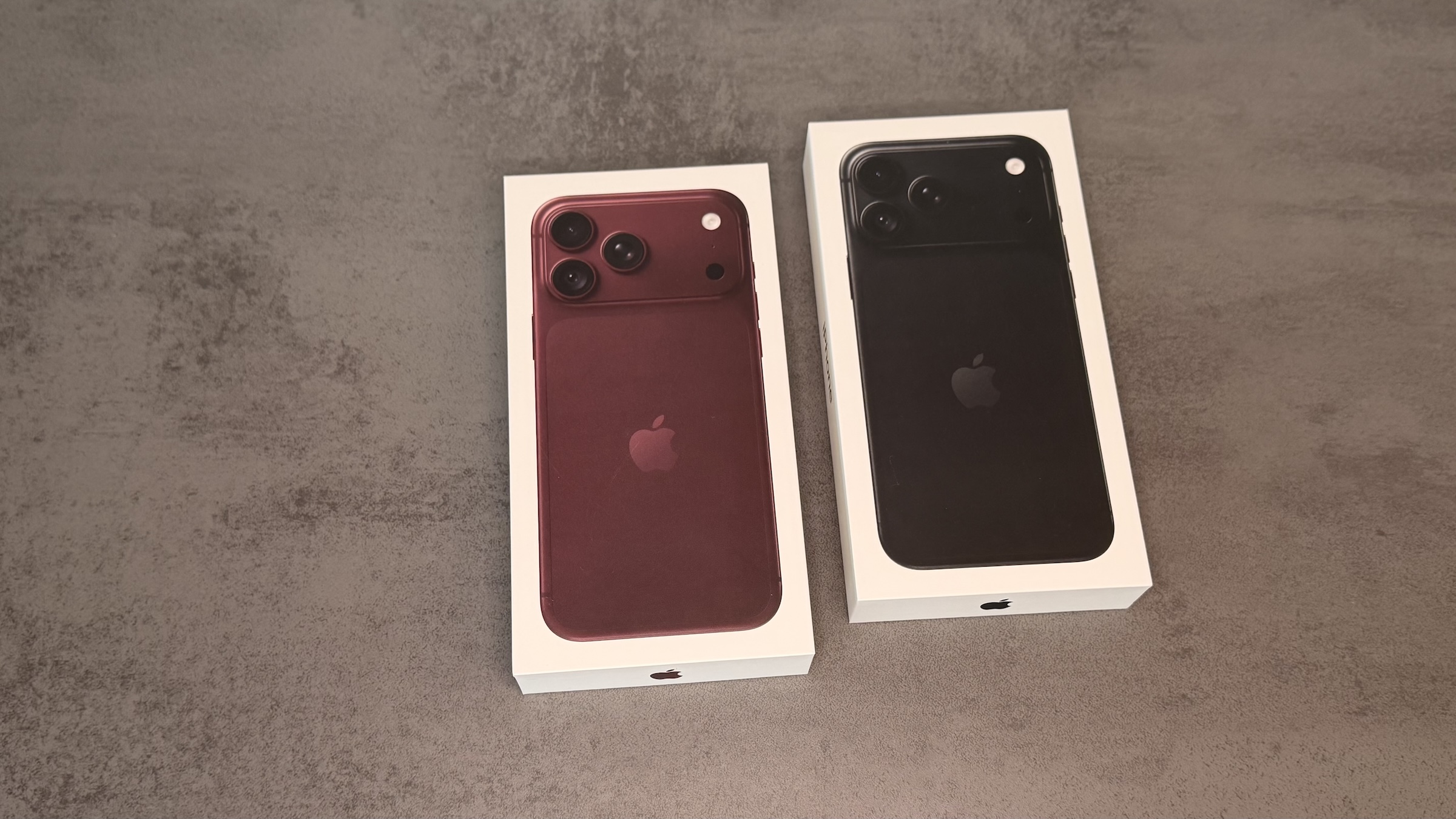
On the day of the sales launch, the iPhone received a boost from Wall Street: Investment bank Evercore ISI, based on a large consumer survey, predicts a stronger iPhone turnover than expected. This is driven less by new features than by aging devices – and significantly higher average prices.
Evercore ISI has raised its price target for Apple stock from $365 to $380 and reiterated its "Outperform" rating. This is based on the bank's annual consumer survey of nearly 4,000 people in the US, as reported by Investing.com, citing the analyst note. The note coincides with the launch of the iPhone 18 Pro and iPhone 18 Pro Max. Evercore's last price target increase was four months ago: In May, the bank raised its target by $35 to $365.
Key Facts at a Glance
- Evercore ISI raises its price target for Apple stock by 15 to $380.
- 53 percent of respondents intending to buy want an iPhone 18 Pro or Pro Max, 32 percent specifically want the Pro Max.
- 67 percent cite the age of their current iPhone as the main reason for switching, compared to 48 percent last year.
- Evercore expects the average selling price to increase by around 28 percent.
- The survey only covers the USA and measures purchase intentions, not sales.
What the survey shows
Demand is concentrated on the most expensive models. 32 percent of those surveyed plan to buy an iPhone 18 Pro Max, compared to 29 percent for the iPhone 17 Pro Max a year ago. Together, the Pro and Pro Max models account for 53 percent.
The reason for the switch is striking. 67 percent of respondents stated that they were upgrading primarily because of the age of their current iPhone, compared to 48 percent the previous year. New features are therefore less of a driving force behind the purchase than the need to replace the device.
The iPhone Duo garnered 14 percent purchase interest in the survey, placing it significantly behind the Pro series. Evercore expects this figure to rise as pre-orders approach on October 16. Purchase intentions for the Apple Watch and AirPods also exceeded last year's figures, reaching 38 and 43 percent respectively.
Higher prices as the actual driver
The price is determined less by the number of units sold than by the price. Evercore expects the average selling price of the iPhone to rise by around 28 percent. The bank attributes this to three factors: higher list prices, a larger proportion of more expensive models, and the trend toward more storage, including the new 2TB versions of Pro models and the iPhone Duo.
Elsewhere in the report, a price increase of more than 20 percent is mentioned. Both figures come from the same note; whether they describe the same amount is not clear from the report.
Evercore sees potential for exceeding market expectations for fiscal year 2027. Analysts currently forecast an average revenue increase of around 7 percent.
Evercore's year-end price target
The bank has raised its target price several times since the launch of the iPhone 17. The milestones, according to the respective investor notes, are:
| Time | Course objective | Occasion |
|---|---|---|
| September 2025 | $290 | Demand for iPhone 17 and iPhone Air |
| October 2025 | $300 | Quarterly figures, demand for iPhone 17 |
| December 2025 | $325 | Expectations for the redesign of Siri |
| January 2026 | 330 dollars | Demand for iPhone 17 |
| May 2026 | 365 dollars | Long-term perspectives |
| September 2026 | $380 | iPhone 18 Pro survey |
Opposing position: Delivery times and production estimates
This assessment contradicts an analysis from the beginning of the week. Three days after pre-orders began, GF Securities analyst Jeff Pu interpreted the short delivery times in the US as a sign of subdued demand and lowered his production estimate for the iPhone 18 Pro and Pro Max to 72 million units.
The two analyses measure different things. Pu relies on delivery times, i.e., the ratio of orders to available stock. Evercore surveys purchase intentions before the devices are available in stores. Apple's figures for the Christmas quarter provide an initial reliable comparison.
Why the figures only apply to the USA
Evercore itself points out that the survey is limited to the US. The price increase is different for German-speaking countries. In the US, the iPhone 18 Pro starts at $1,199, while the iPhone 17 Pro started at $1,099 – an increase of around 9 percent. In Germany, the starting price rose from €1,299 to €1,449, an increase of around 11.5 percent.
The survey suggests that many buyers aren't upgrading for individual features, but rather because their old device is reaching its limits. For you, this means that if your primary goal is to replace an old iPhone, you'll pay €150 more for the entry-level Pro model in Germany than you did a year ago – a larger premium than buyers in the US are willing to pay. Whether a Pro model is even necessary for this purpose depends on your intended use; the range extends from the iPhone 17e to the iPhone 18 Pro Max.
Are you replacing your iPhone this fall because it's getting old – or has a particular new feature convinced you? Let us know in the comments what's making the difference for you.