Two sentences—that's all Qualcomm released. Nevertheless, they answer a question that hung over the relationship between the two companies: what happens when the patent license from the major 2019 settlement expires this spring? For iPhone buyers in Germany, this is more than just a footnote.
Qualcomm announced on Thursday the extension of its worldwide patent license with Apple. The new agreement is effective from April 1, 2027. The announcement did not specify the term, license fees, or other conditions.
The license is independent of who manufactures the modems in the iPhone. Apple has been gradually replacing Qualcomm chips with its own designs since the iPhone 16e, and Qualcomm is losing Apple's business faster than originally planned.
Key Facts at a Glance
- Qualcomm and Apple extend their worldwide patent license; the new agreement will be valid from April 1, 2027.
- The duration and financial terms are unknown.
- The current license stems from the settlement of April 2019 and expires at the end of March 2027.
- The modem change has nothing to do with the license: The new Pro models for Germany, Austria and Switzerland already use Apple's own C2 modem.
What the license covers
The patent license stipulates that Apple may use Qualcomm's patents and pays for the privilege. Separately, there was a supply agreement under which Qualcomm provided Apple with modems up to and including devices from 2026 onwards. Only the license, not the chip supply, has now been extended.
The 2019 agreement ran for six years, starting April 1, 2019, with an option for a two-year extension. Apple exercised this option, meaning the old license expires on March 31, 2027. The new one begins immediately the following day.
The conflict that was felt in Germany
iPhone buyers in Germany have already experienced how much depends on this license. In December 2018, the Munich I Regional Court ruled that Apple infringed a Qualcomm patent with a power-saving technology in the radio module of several iPhones. The affected models were the iPhone 7, 7 Plus, 8, 8 Plus, and X.
In early January 2019, Qualcomm deposited the required security of €1.34 billion, making the sales ban enforceable. Apple removed the iPhone 7 and iPhone 8 from its 15 German Apple Stores and its online shop. The global dispute was finally resolved in April 2019 with the settlement that resulted in the now-extended license.
| Time | Event |
|---|---|
| January 2017 | Apple is suing Qualcomm in the US |
| December 20, 2018 | Munich Regional Court I finds patent infringement by several iPhones |
| January 3, 2019 | Qualcomm deposits €1.34 billion; sales ban takes effect |
| April 2019 | Comparison: six-year license from April 1, 2019 with an option for two years |
| March 31, 2027 | End of the old license |
| April 1, 2027 | new license comes into effect |
Apple's own modems continue to work
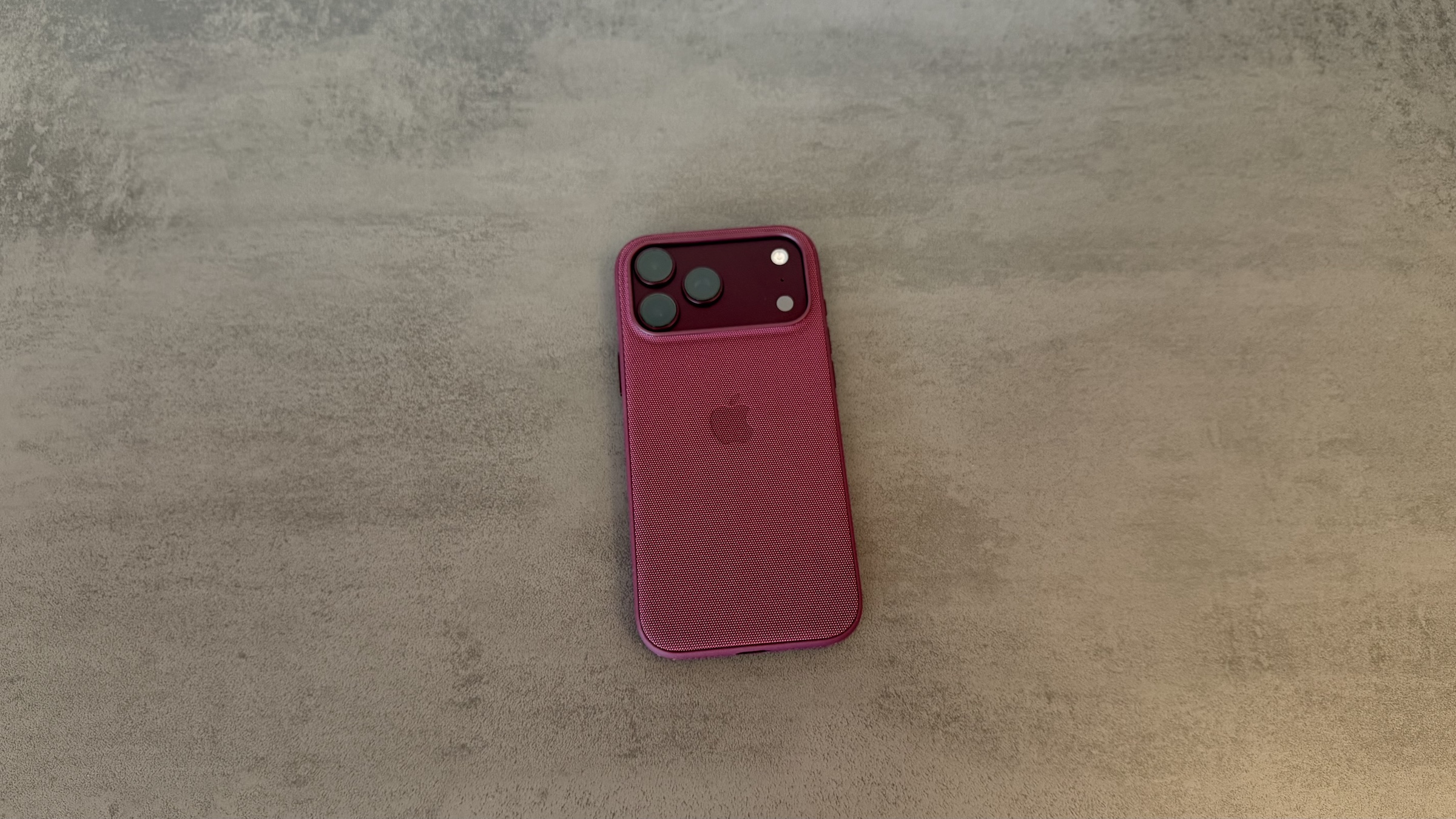
The switch to a new modem is largely complete. According to Apple, the iPhone 18 Pro and iPhone Duo use Apple's own C2 modem worldwide, while the iPhone 18 Pro Max uses it everywhere except in the US. Only the US model of the Pro Max still uses a Qualcomm chip.
For buyers in Germany, Austria, and Switzerland, the current Pro models no longer contain a Qualcomm modem. The fact that Apple has nevertheless extended the patent license demonstrates how separate these two issues have become.
Why the extension is more than a formality
We see the extension primarily as a prevented conflict. The old license would have expired in a year when Apple hardly buys any Qualcomm chips. Without a follow-up agreement, Qualcomm would have had less reason to hold back, and German patent courts have already been the venue where the conflict reached the retail shelf.
For you as a buyer, nothing changes, and that's precisely the message: A sales ban like in 2019 is not on the table.
Did you expect Apple to continue paying Qualcomm despite having its own modems – or were you already aware of the separation between chip and patent? Share your thoughts in the comments.