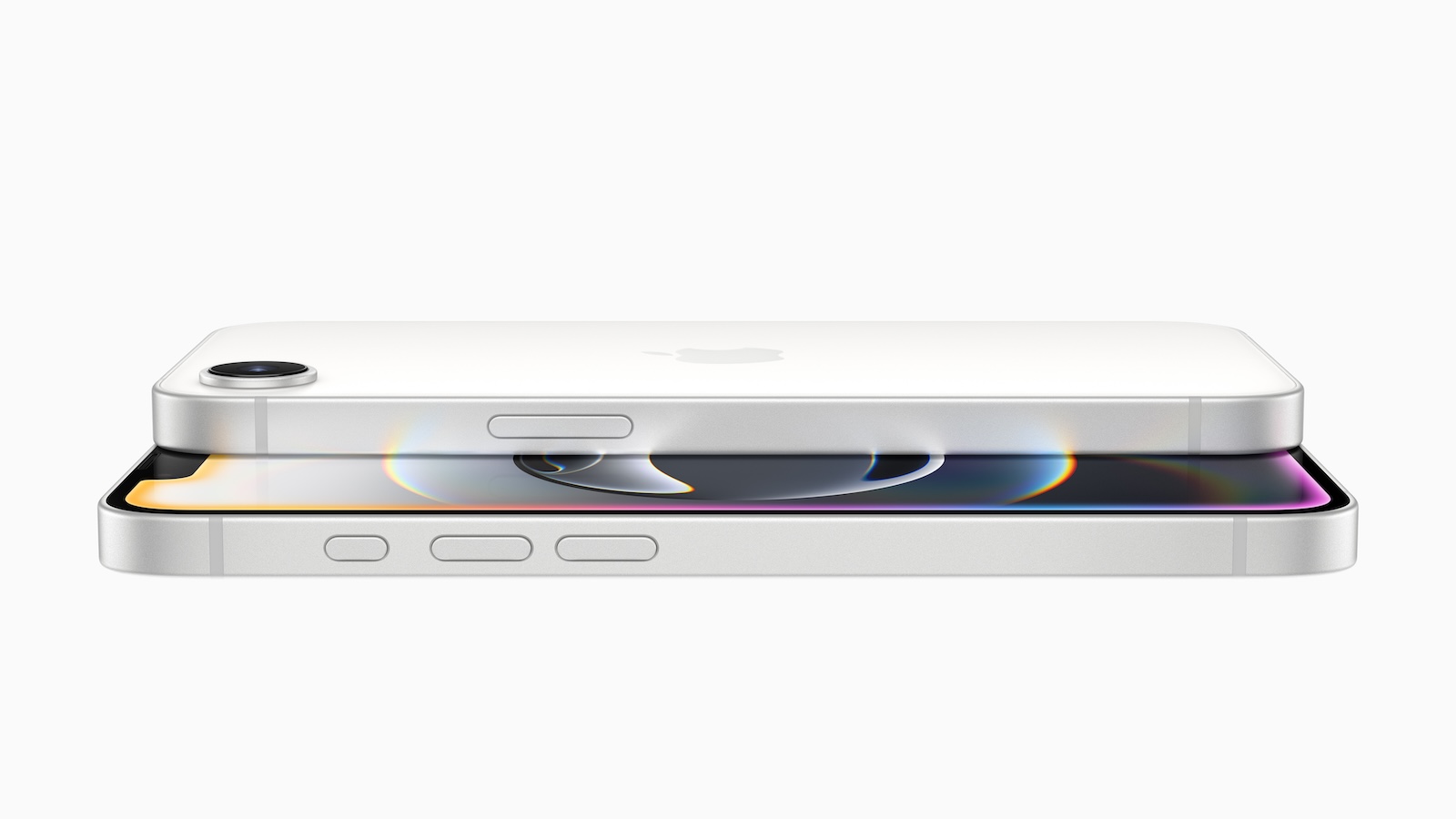
Apple has officially removed all LCD displays from its iPhone lineup. With the launch of the new iPhone 16e and the simultaneous discontinuation of the iPhone SE, the company is now relying exclusively on OLED displays. This means that every current iPhone model from Apple is now equipped with the more modern display technology. The decision marks an important step in the development of iPhones and brings with it several advantages for users.
Apple began integrating OLED displays into its smartphones in 2017 with the iPhone X. In the following years, both LCD and OLED models were offered. The flagship iPhones in particular used OLED throughout from the iPhone 12 onwards, while the inexpensive iPhone SE continued to be equipped with LCD displays. With the iPhone 16e, Apple has now eliminated this difference. LCD technology has disappeared from the entire iPhone range. The iPhone 16e adopts the design and display of the iPhone 14 and thus also uses an OLED panel.
Why does Apple only use OLED?
OLED displays have some key advantages over LCD. They offer higher brightness, better contrast, more realistic color representation and are more energy efficient overall. A key difference between the two display technologies is the backlight. While LCDs require a continuous backlight, individual pixels in OLED displays light up themselves. This ensures true black, as black pixels can simply be switched off, while LCDs always have a certain amount of backlight. This technology also enables HDR playback, which until now was only available on the more expensive iPhones. With the introduction of the iPhone 16e, HDR is now also available in a cheaper model. Another reason for the change is probably the optimization of production costs and supply chains. Apple can thus product line switch to a uniform display technology, which is more economical in the long term.
The iPhone 16e brings OLED to the entry-level segment
The iPhone 16e is the first affordable iPhone to use OLED entirely. It adopts the Super Retina XDR display of the iPhone 14 with the following features:
- 800 nits maximum brightness
- 1200 nits HDR peak brightness
- High color accuracy and contrast thanks to OLED technology
This puts the iPhone 16e on par with previous flagship models in terms of display quality, but it still stands out from the regular iPhone 16 models, which offer even higher maximum brightness.
Comparison: iPhone 16e vs. iPhone 16
The regular iPhone 16 offers a more modern OLED display with some additional improvements:
- 1000 nits maximum brightness (instead of 800 nits on the iPhone 16e)
- 1600 nits HDR peak brightness (instead of 1200 nits on the iPhone 16e)
- 2000 nits outdoor brightness for better visibility in sunlight
For users who often use their iPhone outdoors in bright environments, the iPhone 16 may be a better choice. However, if you value a high-quality display at a lower price, the iPhone 16e offers a solid OLED panel that is more than sufficient in most everyday situations.
What does this mean for future iPhones?
With the decision to only use OLED displays, Apple is setting a new standard for its iPhone range. The era of LCD displays is officially over. OLED technology is expected to continue to develop, particularly with regard to higher refresh rates, better energy efficiency and possibly new display technologies such as Micro-LED.
OLED is the new standard for the iPhone
With the iPhone 16e, Apple has taken the final step towards OLED displays and thus removed LCD technology from its product range. This brings with it a number of advantages, including better image quality, higher brightness and HDR support for all iPhone models. Users who have previously had an iPhone with an LCD display will clearly notice the difference, especially in contrast and color representation. Even though the iPhone 16e remains a cheaper model, thanks to OLED technology it offers a display quality that was reserved for expensive flagships until a few years ago. (Image: Apple)
- iPhone 16e: Modern design, but no MagSafe – a disadvantage?
- Apple presents C1: The first own 5G modem for the iPhone
- iPhone 16e without MagSafe, UWB and Thread – all information here
- iPhone 16e: Apple's new smartphone with top technology