apple patient
  • Home
  • News
  • Rumors
  • Tips & Tricks
  • Reviews
  • Insights
No Result
View All Result
  • iPhone 18
  • iOS 27
  • iPadOS 27
  • macOS
  • MacBook Neo
  • iPhone 17e
  • AirTags
  • iOS 26
  • iPhone 17
  • MacBook Pro
  • iPadOS
  • iMac
  • Mac mini
  • HomePod
  • Apple TV
  • iPad Pro
  • iPhone Air
  • Apple Vision Pro
  • iPhone 16
  • AirPods 4
  • Apple Watch Ultra
  • HomePod Mini
  • MacBook Air
  • iPad
  • AirPods Max
  • AirPods Pro 3
  • Apple Watch Series 3
  • Mac Studio
  • Studio Display
  • iPad Air
  • iPad mini
  • watchOS 27
  • Apple CarPlay
  • Apple Pay
  • watchOS 26
  • Home
  • News
  • Rumors
  • Tips & Tricks
  • Reviews
  • Insights
No Result
View All Result
apple patient
No Result
View All Result
  • iPhone 18
  • iOS 27
  • iPadOS 27
  • macOS
  • MacBook Neo
  • iPhone 17e
  • AirTags
  • iOS 26
  • iPhone 17
  • MacBook Pro
  • iPadOS
  • iMac
  • Mac mini
  • HomePod
  • Apple TV
  • iPad Pro
  • iPhone Air
  • Apple Vision Pro
  • iPhone 16
  • AirPods 4
  • Apple Watch Ultra
  • HomePod Mini
  • MacBook Air
  • iPad
  • AirPods Max
  • AirPods Pro 3
  • Apple Watch Series 3
  • Mac Studio
  • Studio Display
  • iPad Air
  • iPad mini
  • watchOS 27
  • Apple CarPlay
  • Apple Pay
  • watchOS 26

Report: Apple is working on mind control for devices

Milan Jovicic by Milan Jovicic
May 13, 2025 - 17:11 CEST
in Apple Rumors
0
Apple iPhone

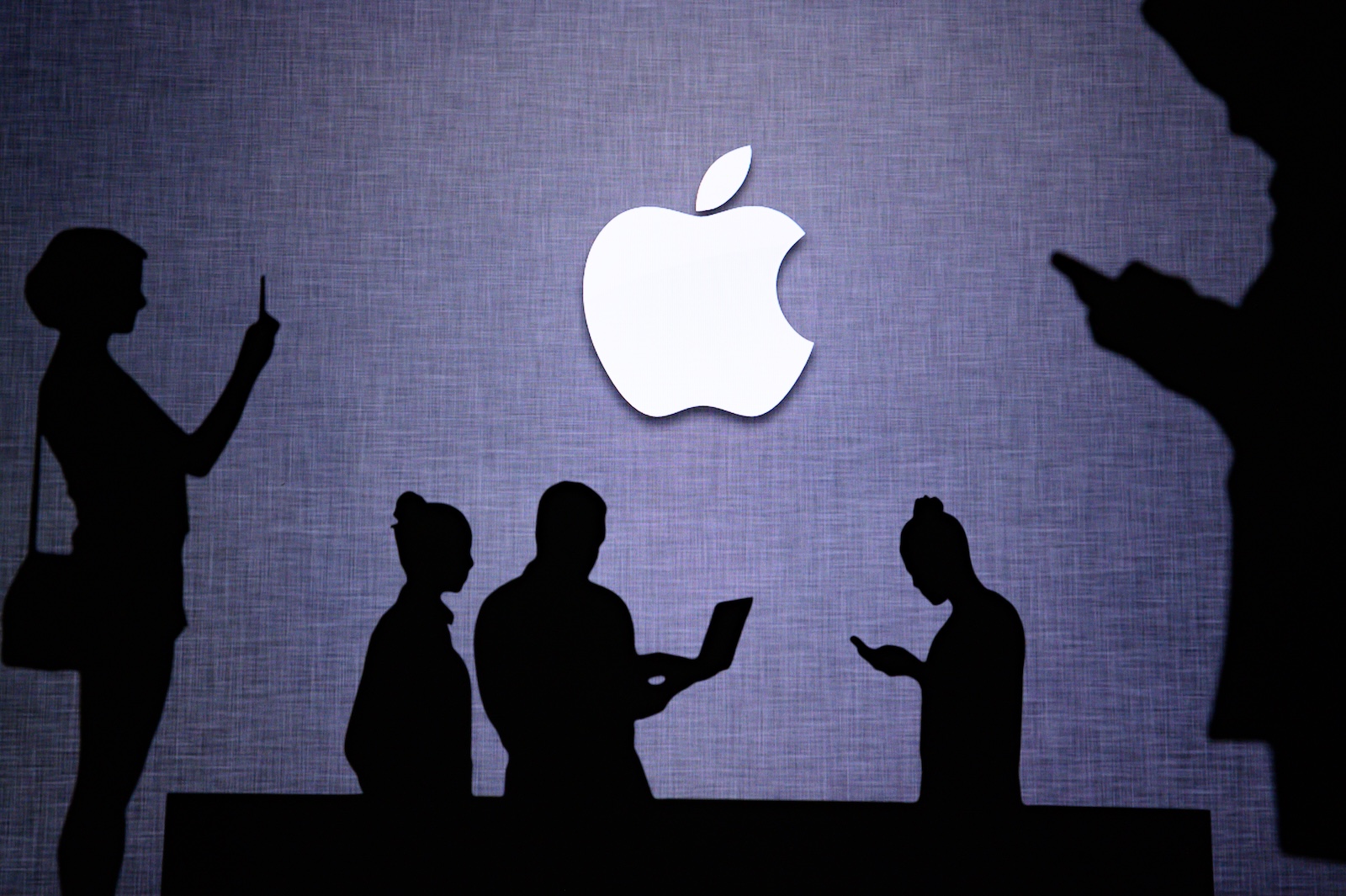
Image: Shutterstock / kovop

WhatsAppFacebookEmail
Threads

Apple is working on a new interface between humans and machines. It's not about a new app or a camera upgrade, but rather about controlling devices directly with the brain. What sounds like a futuristic vision has long since become reality – and Apple is on board. The company is planning a collaboration with the neurotechnology startup Synchron to enable thought-based control of iPhones, iPads, and other devices.

Apple plans to introduce a new standard by 2025 that will allow you to operate your devices using brain signals. The technology is initially aimed at people with motor disabilities, but could eventually create new possibilities for all users. The technical basis for this is a small implant that works without open brain surgery.

Apple cooperates with Synchron

At the heart of the project is the collaboration between Apple and the US company Synchron. Synchron develops brain-computer interfaces (BCIs) and has developed a device called the Stentrode. This is an implantable interface that receives neural signals from the brain and converts them into digital commands. It is not inserted directly into the brain tissue, but rather via the jugular vein into a blood vessel above the motor cortex. Open brain surgery is not necessary. The Stentrode contains 16 electrodes and lies on the surface of the brain. It measures motor activity there and transmits the data. These signals are then translated into control commands that you can use to operate an iPhone or the Apple Vision Pro, for example.

First tests successful

Synchron has already implanted the Stentrode in ten patients. Tests have been ongoing since 2019 under an exemption from the U.S. Food and Drug Administration (FDA). A particularly striking example is a patient with amyotrophic lateral sclerosis (ALS) in Pennsylvania. He can't move his hands or arms, but is able to operate Apple devices solely by thought. The operation is slower than with conventional input methods, but it works.

Integration into the Apple system

Apple plans to integrate the new technology into the existing Switch Control Framework, as reported by The Wall Street Journal . This accessibility feature already allows for alternative input devices such as joysticks or special keyboards. In the future, BCIs such as the Stentrode will also be supported. Apple plans to introduce the new standard by the end of 2025. Apple already took a similar approach in 2014, when the company introduced the "Made for iPhone" hearing aid protocol as the standard for wireless communication between Apple devices and hearing aids. Apple also apparently wants to establish an industry standard for brain-computer interfaces.

Differences to other providers

Apple isn't the only company working on brain control. Elon Musk's company Neuralink is also developing its own BCI system. Unlike Synchron, however, Neuralink relies on a more invasive procedure. Neuralink's device – called the N1 – is implanted directly into the brain tissue and contains more than 1,000 electrodes. This allows it to capture significantly more detailed neural data. This allows for more complex controls such as moving a mouse cursor or typing text through mental intent alone. However, the procedure is significantly more complex and risky than Synchron's stentrode.

Apple opens the door to mind control

With its planned support for brain interfaces, Apple is taking another step toward accessibility and new forms of human-technology interaction. The initial focus is on users with motor impairments, but the underlying technology could have far-reaching long-term implications for the general operation of devices. If all goes according to plan, Apple will integrate the first official interfaces for BCIs into its operating systems this year—thus ushering in a new era of device operation. (Image: Shutterstock / kovop)

  • Report: iOS 19 is said to be more stable than previous updates
  • iOS 19 brings smart battery management with Apple Intelligence

Make Apfelpatient a preferred source One click – and you'll see us more often on Google
Was this article helpful?
YesNo
Tags: Apple Vision ProiPadiPhoneMacTechPatient
SendShareSend
Share

Our Amazon Storefront

A handpicked selection of products for iPhone, Mac and more – sorted by topic and updated regularly.

Shop Now

This post contains affiliate links (including Amazon). We earn a small commission on qualifying purchases – at no extra cost to you. Learn more on our Partner Program page.

Previous Post

Apple adds accessibility tools to iOS 19 and macOS 16

Next Post

Apple releases Sound Therapy exclusively on Apple Music

Milan Jovicic

Milan Jovicic

Milan founded Apfelpatient in 2016 and has been responsible for all editorial content since 2018 — news, rumors, guides, and product reviews. Apple devices here are not test units on loan for two weeks but everyday tools: from the iPhone through MacBook Pro, MacBook Air, and iMac to the Apple Vision Pro, at least one device from nearly every product category is in daily use, many of them replaced annually. Every menu path in a guide is verified on the device before it is published.

Three people study a holographic display of a production line at Apple's Houston training center

Apple opens second training center in Houston

August 13, 2026 - 21:32 CEST
MacBook Air, iPad Air and an Apple gift card as the visual for the Back to School 2026 promotion

Back to School 2026: Up to €120 credit for Mac and iPad

August 13, 2026 - 21:09 CEST
Customers crowding an iPhone launch day at the Apple Store on Fifth Avenue in New York, where the iPhone Ultra market launch is said to begin first

iPhone Ultra: Report expects staggered market launch

August 13, 2026 - 3:43 PM CEST

About APFELPATIENT

APFELPATIENT brings you the latest Apple news, product updates, guides, reviews and tips across the entire Apple ecosystem — from the iPhone to the Mac to the Apple Vision Pro. From the first rumors to confirmed news: researched responsibly.

Follow Apfelpatient

Facebook Instagram YouTube Threads Threads

Company

  • About Apfelpatient
  • Contact
  • Author Profiles

Community

  • Netiquette
  • Push Notifications
  • RSS feed

Legal

  • Legal Notice
  • Privacy Policy
  • Terms of Use
  • Cookie Settings
  • Affiliate Program

Resources

  • Sitemap

© 2026 Apfelpatient. All rights reserved.

No Result
View All Result
  • Home
  • News
  • Rumors
  • Tips & Tricks
  • Reviews
  • Insights

© 2026 Apfelpatient. All rights reserved. Page Directory

Change language to Deutsch