
apple patient
  • Home
  • News
  • Rumors
  • Tips & Tricks
  • Reviews
  • Insights
No Result
View All Result
  • iPhone 18
  • iPhone 18 Pro
  • iPhone Duo
  • Apple Watch Series 12
  • Apple Watch Ultra 4
  • AirPods 5
  • iOS 27
  • iPadOS 27
  • macOS
  • MacBook Neo
  • iPhone 17e
  • AirTags
  • iOS 26
  • iPhone 17
  • MacBook Pro
  • iPadOS
  • iMac
  • Mac mini
  • HomePod
  • Apple TV
  • iPad Pro
  • iPhone Air
  • Apple Vision Pro
  • iPhone 16
  • AirPods 4
  • Apple Watch Ultra
  • HomePod Mini
  • MacBook Air
  • iPad
  • AirPods Max
  • AirPods Pro 3
  • Apple Watch Series 3
  • Mac Studio
  • Studio Display
  • iPad Air
  • iPad mini
  • watchOS 27
  • Apple CarPlay
  • Apple Pay
  • watchOS 26
  • Home
  • News
  • Rumors
  • Tips & Tricks
  • Reviews
  • Insights
No Result
View All Result
apple patient
No Result
View All Result
  • iPhone 18
  • iPhone 18 Pro
  • iPhone Duo
  • Apple Watch Series 12
  • Apple Watch Ultra 4
  • AirPods 5
  • iOS 27
  • iPadOS 27
  • macOS
  • MacBook Neo
  • iPhone 17e
  • AirTags
  • iOS 26
  • iPhone 17
  • MacBook Pro
  • iPadOS
  • iMac
  • Mac mini
  • HomePod
  • Apple TV
  • iPad Pro
  • iPhone Air
  • Apple Vision Pro
  • iPhone 16
  • AirPods 4
  • Apple Watch Ultra
  • HomePod Mini
  • MacBook Air
  • iPad
  • AirPods Max
  • AirPods Pro 3
  • Apple Watch Series 3
  • Mac Studio
  • Studio Display
  • iPad Air
  • iPad mini
  • watchOS 27
  • Apple CarPlay
  • Apple Pay
  • watchOS 26

OpenAI is working on its own AI chip – what does that mean?

Milan Jovicic by Milan Jovicic
February 11, 2025 - 17:47 CET
in Apple Rumors
0
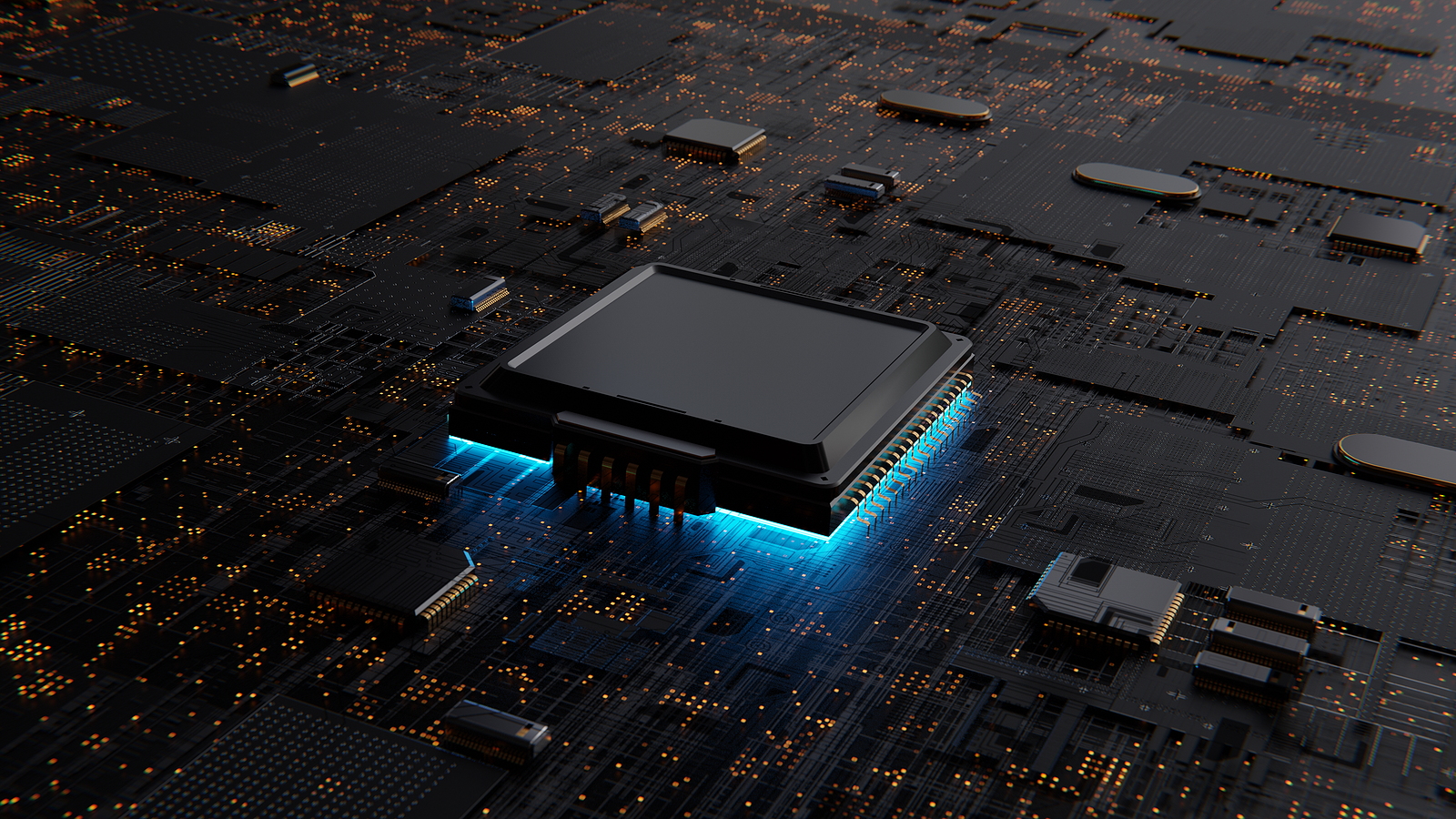
OpenAI AI chip

Photo by angel_nt / Bigstockphoto

WhatsAppFacebookEmail
Threads

The demand for specialized chips for artificial intelligence is growing rapidly. Companies around the world are investing in powerful hardware to meet the increasing demands of training and executing AI models. While Nvidia is currently considered the leading provider of AI chips, OpenAI is working on its own solution. The company's first own chip is expected to be completed by the end of the year. This could make OpenAI more independent of third-party providers and make its infrastructure more efficient.

Artificial intelligence is no longer just a vision of the future, but has become established in many areas of industry. From training neural networks to real-time data processing - powerful chips are essential for the operation of modern AI models. Nvidia graphics cards currently dominate the market for AI applications. But since the demand for these chips has increased enormously, they are often difficult to obtain and expensive. OpenAI, the company behind ChatGPT, is therefore working on its own hardware solution. This would not only enable OpenAI to save costs but also better meet the specific requirements of its AI models.

OpenAI is driving forward the development of its own AI chip

According to a report According to the Reuters news agency, OpenAI is pushing ahead with its plans for its own AI chip. The company is currently in the final design phase and wants to have the first chips produced this year. Production will reportedly be handled by TSMC, one of the leading semiconductor manufacturers that also supplies Apple with processors. A crucial milestone in this process is the so-called "tape-out". This is the last phase of chip design before mass production can begin. This step is very expensive and requires investments of several tens of millions of dollars. In addition, it takes up to six months before a chip can actually be produced. If errors occur, the entire process could be delayed because development would have to start from the beginning.

Aim of the project: More control and less dependence

OpenAI's new chip will initially play a limited role but will already be able to run AI models. In the long term, it could also be used to train neural networks. If the project is successful, OpenAI is already planning to develop even more powerful chips. The most important reason for developing its own chips is independence from Nvidia. The company dominates the market for AI graphics processors, which makes OpenAI heavily dependent on its hardware. Having its own chip could bring several advantages:

  • Reducing the cost of AI training and applications
  • Better optimization of hardware for OpenAI's specific needs
  • Less dependence on third-party providers and therefore more flexibility

Competition never sleeps: Other companies are also investing in AI hardware

OpenAI is not the only company investing in its own AI chips. Other tech giants are also increasingly relying on customized hardware. Apple currently uses Amazon chips to train its AI models, but is reportedly working with Broadcom on its own server chip for artificial intelligence. Meta and Microsoft are also investing billions in expanding their AI infrastructure to become more independent of external hardware suppliers. At the same time, new developments show that powerful AI models do not necessarily depend on high-end hardware. The Chinese start-up DeepSeek has proven with its latest AI model that efficient algorithms play a key role. This could also influence OpenAI's strategy.

  • DeepSeek in data protection check: Experts raise the alarm

Own chips as a competitive advantage: OpenAI's strategy for more independence

The development of its own AI chip is an important step for OpenAI towards more control over its own infrastructure. If the chip is produced as planned and used successfully, this could change the market for AI hardware for the long term. It remains to be seen whether OpenAI will manage to break away from Nvidia. What is certain, however, is that the competition for specialized AI chips is becoming increasingly fierce. Companies that secure their own hardware solutions early on could have a decisive advantage in the long term. (Photo by angel_nt / Bigstockphoto)

  • DeepSeek on the road to success – but OpenAI raises allegations
  • Apple under pressure: British government demands iCloud backdoor

Make Apfelpatient a preferred source One click – and you'll see us more often on Google
Was this article helpful?
YesNo
Tags: OpenAITechPatient
SendShareSend
Share

Our Amazon Storefront

A handpicked selection of products for iPhone, Mac and more – sorted by topic and updated regularly.

Shop Now

This post contains affiliate links (including Amazon). We earn a small commission on qualifying purchases – at no extra cost to you. Learn more on our Partner Program page.

Previous Post

Siri can save lives: How Apple technology helps

Next Post

Apple Intelligence in China: Apple's new plan with Alibaba

Milan Jovicic

Milan Jovicic

Milan founded Apfelpatient in 2016 and has been responsible for all editorial content since 2018 — news, rumors, guides, and product reviews. Apple devices here are not test units on loan for two weeks but everyday tools: from the iPhone through MacBook Pro, MacBook Air, and iMac to the Apple Vision Pro, at least one device from nearly every product category is in daily use, many of them replaced annually. Every menu path in a guide is verified on the device before it is published.

Related posts

iPhone 20: Apple postpones two new display technologies

by Milan Jovicic
September 23, 2026 - 5:22 p.m. CEST
iPhone 20 display comparison: current black iPhone Pro with a flat display, shown at an angle from above on a grey stone surface

The iPhone 20 is expected to retain its fully curved display, but without COE and LTPO+. A report cites two reasons for the delay.

Read moreDetails

Apple AI Pin: Development of the camera pendant is paused

by Milan Jovicic
September 22, 2026 - 8:05 p.m. CEST
Apple AI pin: an AirTag on a grey surface used as a size comparison

Apple AI pin: Development of the camera-enabled pin is on hold. An AirTag-sized prototype exists, but the 2027 release date is no longer in place.

Read moreDetails

Apple fitness tracker without a display: Prototypes put to the test

by Milan Jovicic
September 22, 2026 - 7:25 p.m. CEST
Apple fitness tracker without display: swimmer wearing an Apple Watch during lap training

According to reports, Apple is testing prototypes of a fitness tracker without a display, modeled after the Whoop. A market launch would be possible no earlier than 2028.

Read moreDetails

iPhone Pro from 2029: Display without polarizer expected

by Milan Jovicic
September 22, 2026 - 4:07 p.m. CEST
Symbolic image for iPhone Pro display without polarizer: black iPhone Pro model seen from the back on a grey stone surface

A market researcher expects the 2029 iPhone Pro models to feature OLED displays without a polarizer: brighter or more energy-efficient and also thinner.

Read moreDetails

Apple Home Hub: Face recognition without a depth sensor

by Milan Jovicic
September 20, 2026 - 6:50 p.m. CEST
Apple Home Hub: Home app icon on a blue gradient

Apple's home entertainment system is designed to recognize who is standing in front of it – without a Face ID sensor. Here's what we know about the system, its design, and the release date.

Read moreDetails
Load More

Categories

  • Apple Insights
  • Apple Rumors
  • Apple News
  • Apple Tips & Tricks
  • iPhone news, rumors and tips
  • Mac and MacBook News
  • Reviews

About APFELPATIENT

APFELPATIENT brings you the latest Apple news, product updates, guides, reviews and tips across the entire Apple ecosystem — from the iPhone to the Mac to the Apple Vision Pro. From the first rumors to confirmed news: researched responsibly.

Follow Apfelpatient

Facebook Instagram YouTube Threads Threads

Company

  • About Apfelpatient
  • Contact
  • Author Profiles

Community

  • Netiquette
  • Push Notifications
  • RSS feed

Legal

  • Legal Notice
  • Privacy Policy
  • Terms of Use
  • Cookie Settings
  • Affiliate Program

Resources

  • Sitemap

© 2026 Apfelpatient. All rights reserved.

No Result
View All Result
  • Home
  • News
  • Rumors
  • Tips & Tricks
  • Reviews
  • Insights

© 2026 Apfelpatient. All rights reserved. Page Directory

Change language to Deutsch