
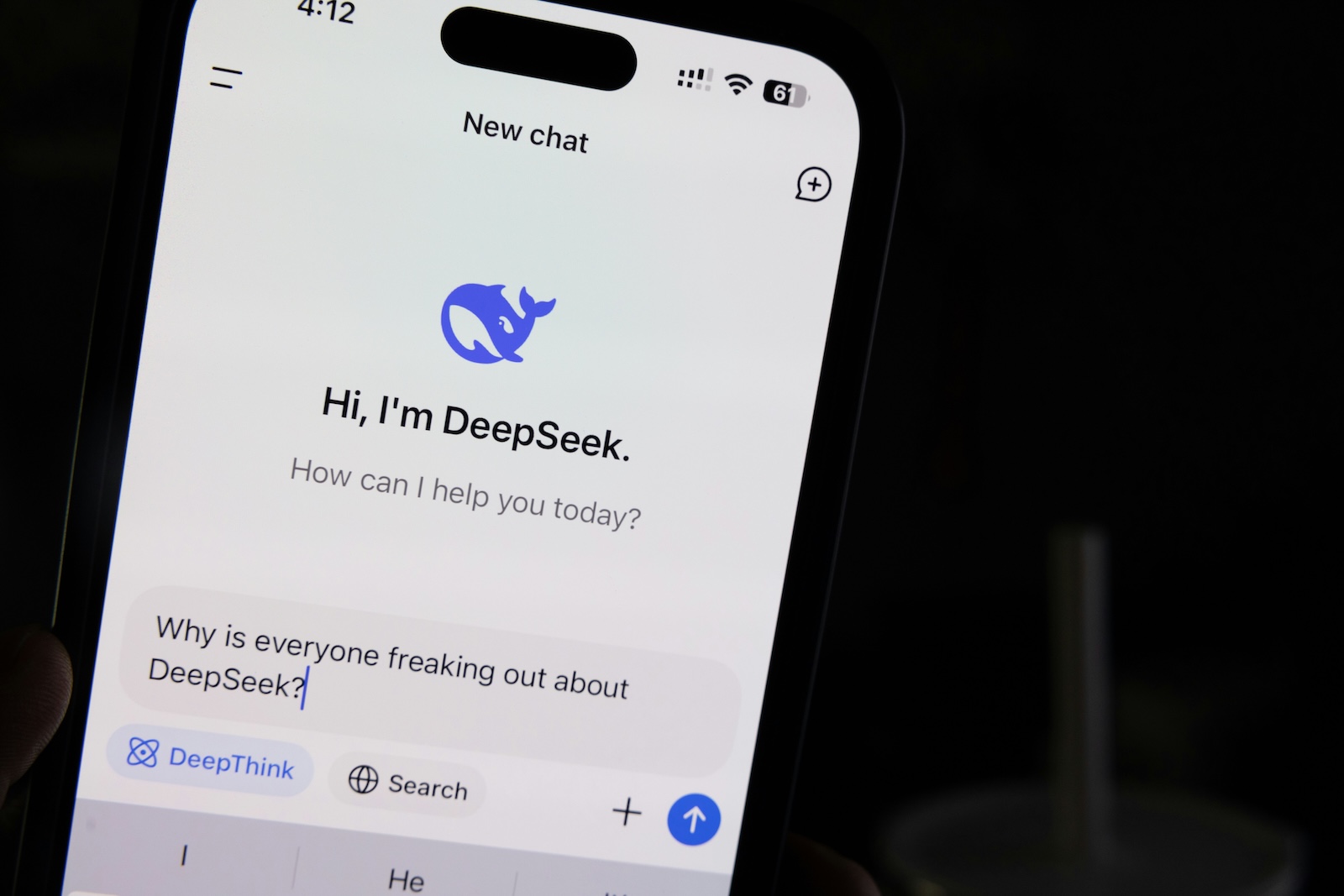
A new controversy is causing a stir in the AI industry: OpenAI is accusing the Chinese AI startup DeepSeek of using its models to train its own open-source AI system. This involves the method of "distillation", a common practice in AI development in which smaller models are trained using the output of larger models. According to OpenAI, DeepSeek has crossed a line with this technique because it not only used the data to improve an existing system but also built a direct competing model. The incident raises questions about the protection of intellectual property in the AI industry and could have far-reaching consequences - for companies that invest billions in AI technology but also for the entire market.
Artificial intelligence is developing rapidly. Companies like OpenAI, Google and Microsoft are investing enormous sums in research and development of increasingly powerful models. But with the rise of new competitors, new conflicts also arise. DeepSeek is one of these up-and-coming companies. With the R1 model, it has shown that state-of-the-art AI systems do not necessarily have to cost billions. According to the company, it invested just $5.6 million in development - a sum that seems minimal compared to the budgets of the market leaders. But now DeepSeek is at the center of serious allegations. OpenAI claims that the company used its models to train R1. This could have not only technical but also economic and legal consequences.
The accusation from OpenAI
OpenAI claims to have evidence that DeepSeek extracted results from its models and used them to train its own AI system. This is called "distillation." This technique is often used in AI development: a large, powerful model generates answers that are then used to train a smaller model. The goal is to achieve a similar level of performance with less computing power. While distillation is a recognized method, the problem, according to OpenAI, is that DeepSeek did not use this technique to improve an existing system but to create its own competing model. A source close to OpenAI explained to the Financial Times:
The problem is that you take the results out of the platform to create your own model for your own purposes.
DeepSeek and the R1 model
DeepSeek has attracted a lot of attention with its R1 model. The system achieves results comparable to leading US AI models, but was developed with a fraction of the budget. The low investment of $5.6 million raises questions: How was DeepSeek able to create such powerful AI with such limited resources? OpenAI sees the answer in the use of its models. DeepSeek's success is not only noticeable in expert circles. The DeepSeek app reached number one in the free charts in the Apple App Store in several countries, including the USA.
Reactions from politics and business
The allegations have caused political and economic waves. David Sacks, the White House AI representative, commented on the case in an interview with Fox News:
There is strong evidence that DeepSeek has distilled knowledge from OpenAI's models, and I don't think OpenAI is very happy about it.
The financial markets also reacted: The shares of Nvidia, one of the most important manufacturers of AI hardware, lost 17 percent of their value on Monday. This reduced the company's market value by $589 billion. Investors fear that costly investments in AI hardware may be less necessary in the future if companies with fewer resources can achieve similar results.
Sanctions from OpenAI and Microsoft
OpenAI and Microsoft have already taken action. According to a report According to Bloomberg, accounts that allegedly violated the terms of use were blocked in August 2024. However, it remains unclear what evidence exists. Both companies declined to provide further details. The blocking of the accounts could indicate that OpenAI and Microsoft are taking a tougher stance against companies that use their models for their own purposes. Whether DeepSeek has actually violated the terms of use or whether it is a gray area remains to be seen.
The DeepSeek case: a turning point for the AI industry?
The controversy surrounding DeepSeek could have a lasting impact on the way we deal with open source AI. If the allegations are confirmed, this could lead to stricter regulations to better protect intellectual property in AI development. At the same time, the case shows that it is possible to develop powerful AI models with fewer resources. This could turn the market on its head and attract new players who can make great progress with fewer resources. Whether DeepSeek is ultimately remembered as an innovative challenger or a rule breaker will depend on what evidence OpenAI can present and how the industry responds. (Photo by Unsplash / Solen Feyissa)
- iPhone emergency call via satellite: First tests with Starlink start
- DeepSeek in focus: Efficient AI from China with global consequences